
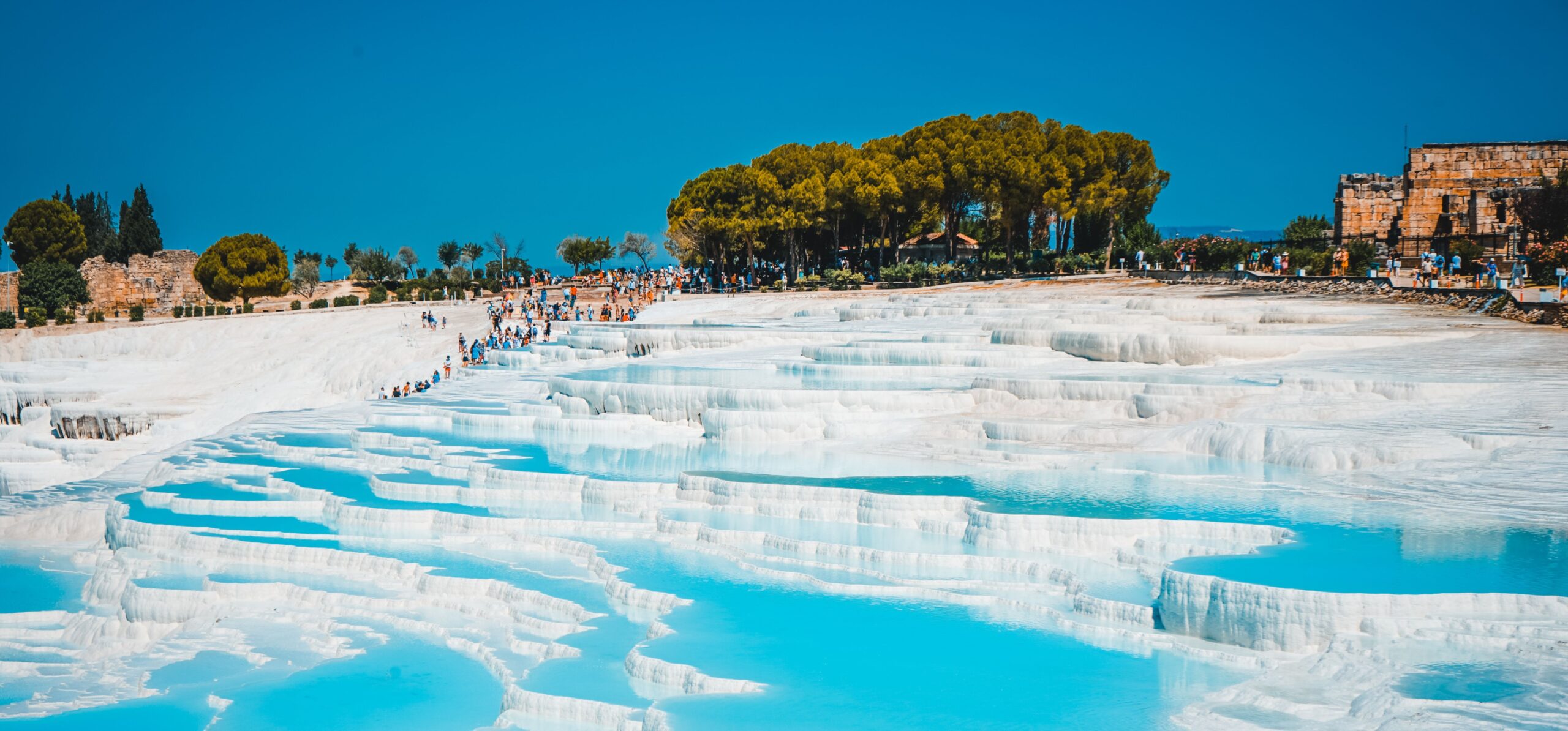
Halloween has come and gone. The costumes are packed away, the leftover candy is disappearing, and the calendar suddenly feels quieter. For many travelers, this stretch between late October and Thanksgiving is one of the most overlooked windows of the year — and one of the best times to prioritize rest, recovery, and intentional travel.
Crowds thin out after the foliage peak and before the holiday rush begins in earnest. Temperatures cool enough to make hot springs and spa treatments feel especially restorative. Nature shifts into a softer, more contemplative mode. This is the ideal moment for wellness-focused or slow-travel getaways that emphasize presence over productivity, restoration over itineraries, and quiet beauty over spectacle.
Here are some of the strongest options for a post-Halloween reset in late 2026.
Why This Window Is Ideal for Wellness and Slow Travel
This time of year sits in a sweet spot. Summer and early-fall crowds have largely dispersed. Many resorts and spas shift into shoulder-season pricing or lighter programming. The weather in much of the United States and southern Europe is mild enough for outdoor time but cool enough that soaking in mineral water or curling up by a fire feels deeply satisfying.
Slow travel — prioritizing fewer destinations, longer stays, and deeper immersion — pairs naturally with wellness goals. Instead of rushing between attractions, you can settle into a place, follow your body’s rhythm, and let the environment do some of the healing work. Whether that means mineral soaks, gentle movement, forest time, or simply unplugging, this season rewards travelers who choose rest.
Desert Hot Springs and the California Mineral Belt
Southern California’s Desert Hot Springs area remains one of the most accessible wellness hubs in the country. The region sits atop a geothermal aquifer, and dozens of hotels and day spas offer mineral soaks, many with views of the surrounding mountains.
After the intensity of Halloween events elsewhere, the desert’s dry air and clear skies create a natural decompression chamber. Properties range from boutique inns to more expansive resorts, many of which encourage unhurried days of soaking, reading, and light desert walks. November temperatures are generally comfortable for both outdoor time and extended soaks.
This region works especially well for travelers who want the benefits of hot mineral water without committing to a remote or high-altitude location. Pair a few days of soaking with simple meals, early nights, and minimal screens for a genuine reset.
Explore Area Hotels

Castle Hot Springs, Arizona: Historic Seclusion
About an hour north of Phoenix, Castle Hot Springs offers a more secluded experience. Set on a large private property in the Sonoran Desert, the resort features natural hot spring pools at varying temperatures, private outdoor soaking tubs with many accommodations, and a restored historic lodge.
Fall and early winter are prime seasons here. The intense summer heat has passed, hiking becomes pleasant, and the property feels intimate. Guests often describe the combination of warm mineral water, desert silence, and limited connectivity as deeply restorative. It is an excellent choice for those seeking true disconnection after a busy fall.
Ojo Caliente Mineral Springs, New Mexico
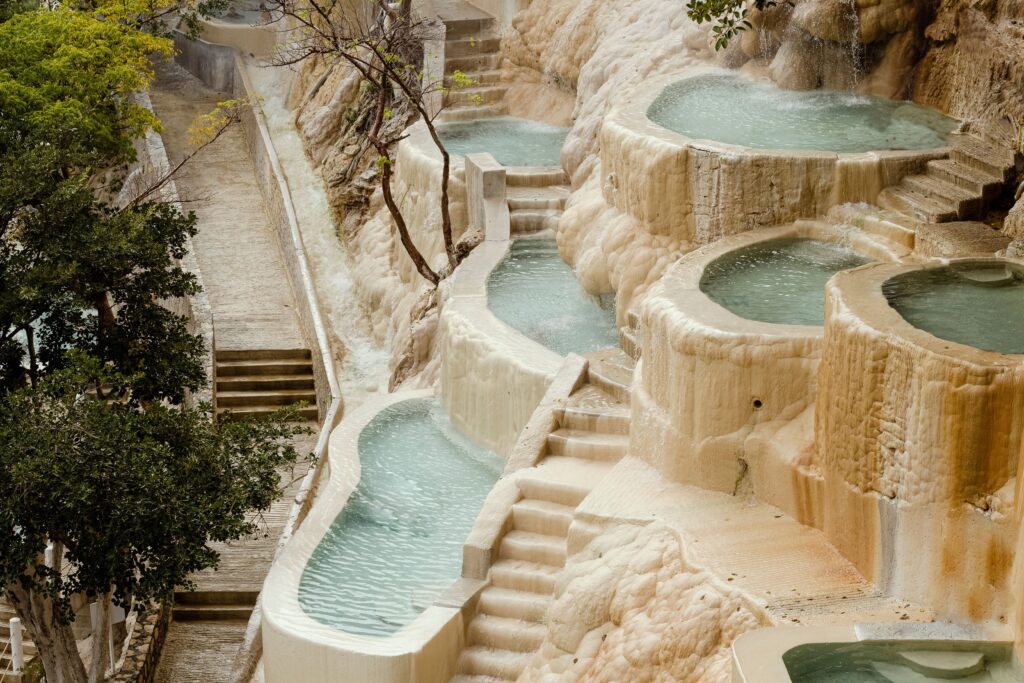
Ojo Caliente has drawn visitors since the 19th century for its unique combination of mineral waters — including iron, soda, lithia, and arsenic springs, all sulfur-free. The setting is quiet and high-desert, with pools of different temperatures and compositions.
November brings cooler nights and fewer visitors than peak summer or winter holiday periods. The experience encourages lingering: move slowly between pools, spend time in the surrounding landscape, and let the mineral content and warm water ease both body and mind. It is particularly well-suited to travelers interested in traditional bathing culture rather than a high-end spa menu of treatments.
The Springs Resort in Pagosa Springs, Colorado
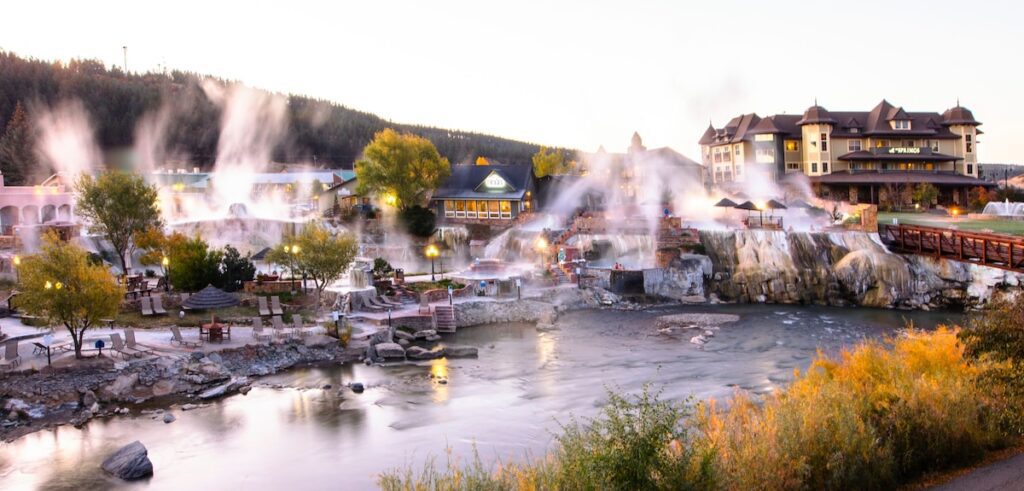
In the San Juan Mountains of southern Colorado, The Springs Resort offers tiered pools along the river with mountain views. The contrast of warm mineral water and cooler fall air is especially appealing in November. Many visitors highlight the restorative quality of alternating between hot pools and cooler plunges, along with the scenic setting.
This destination works well for those who want a mountain environment without full ski-season intensity. Early-season quiet, combined with the geothermal waters, creates space for genuine recovery.
Canyon Ranch Lenox and New England Stillness
For East Coast travelers, Canyon Ranch in Lenox, Massachusetts, provides a classic wellness escape in the Berkshires. The property offers structured programs alongside open time for spa treatments, movement classes, and quiet reflection. In mid-to-late November, the surrounding landscape has moved past peak foliage into a more muted, introspective beauty that pairs well with slower pacing.
Candlelit yoga, nourishing meals, and fireside time emphasize coziness and connection — whether with others or simply with yourself. It is a strong option for those who prefer a guided wellness environment rather than completely unstructured time.
European Options for a Longer Reset
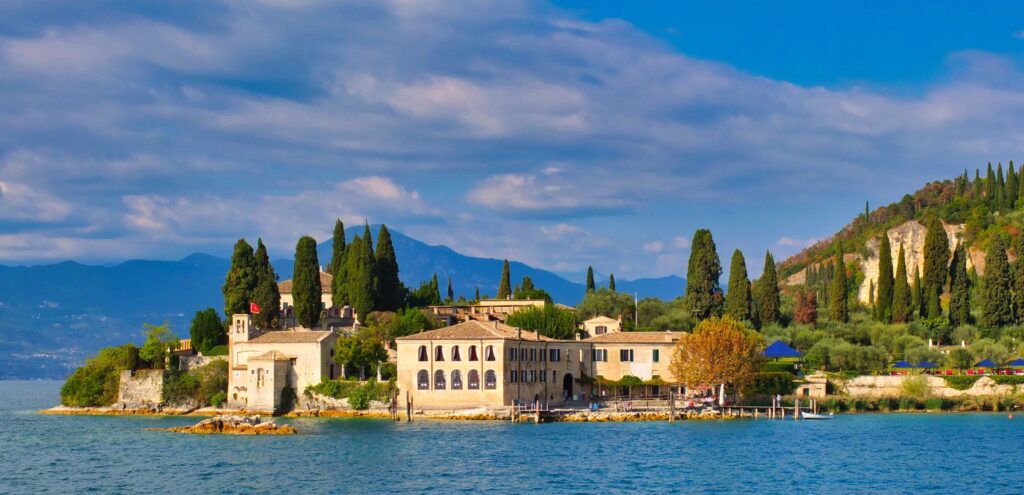
If you have the flexibility for a longer trip, southern Europe offers excellent late-fall wellness conditions. Properties around Lake Garda in Italy, the Algarve in Portugal, and certain Greek wellness resorts often remain open into November with milder weather than northern Europe.
These destinations support outdoor walks, spa time, and Mediterranean rhythms without the intensity of high summer. Slow travel here might mean staying in one place for a week, walking local paths, eating seasonally, and allowing the landscape and climate to support recovery. Thermal traditions in places like Budapest also become especially appealing as the air turns crisp.
Explore Area Hotels
Practical Tips for a Restorative Getaway
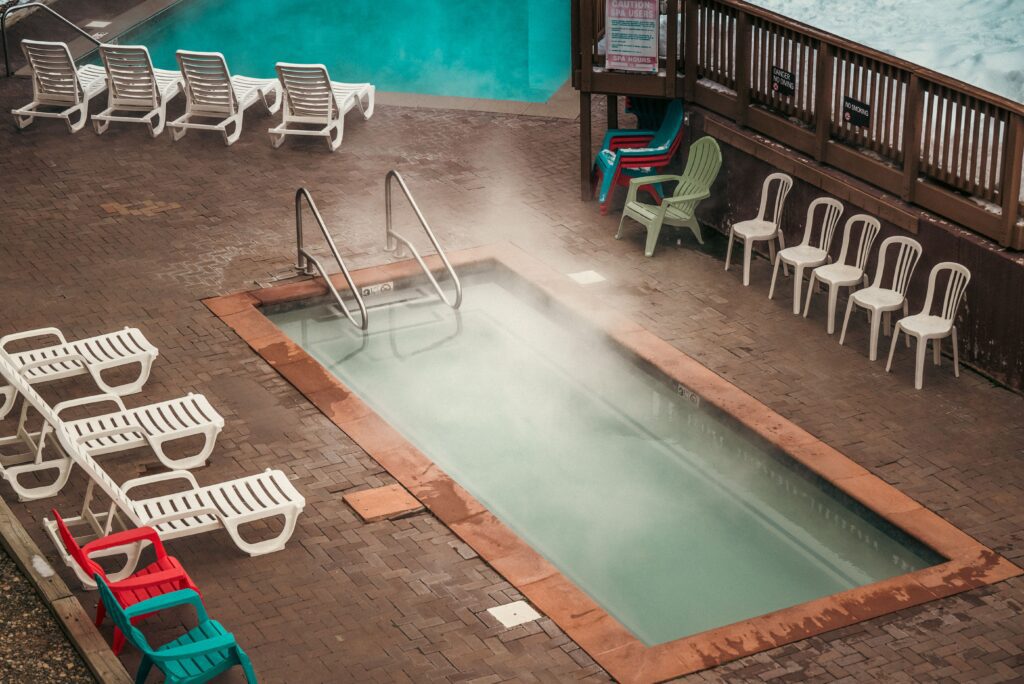
Prioritize destinations with natural hot water or strong spa cultures when possible — the physical experience of soaking supports the mental shift into slower mode.
Book accommodations that encourage unplugging: limited or no TVs in rooms, quiet hours, or properties that emphasize outdoor time and rest.
Keep the itinerary light. Plan one gentle activity per day at most, and leave large blocks of unstructured time.
Pack layers. Fall and early winter weather can shift quickly, especially near mountains or deserts.
Consider a digital boundary. Even a partial phone-free policy during the trip amplifies the restorative effect.
If traveling with a partner or friend, agree in advance on a shared intention for rest rather than sightseeing. Shared quiet can be as bonding as shared activity.
Making the Most of the Lull
The post-Halloween period is brief. By late November, Thanksgiving travel and early holiday preparations begin to fill calendars and airports again. Using this quieter window intentionally can change how you enter the busier season ahead.
A few days of mineral soaks, slower mornings, and reduced stimulation often leave people feeling more grounded and less reactive. The benefits compound when the trip itself is designed around rest rather than achievement.
Whether you choose a desert soak, a mountain thermal experience, a New England wellness resort, or a quiet European stay, the underlying invitation is the same: step out of the seasonal rush, even briefly, and let your nervous system settle.
In a year that often feels relentlessly scheduled, the weeks after Halloween offer a rare natural pause. Taking advantage of it through wellness-focused or slow travel is one of the more practical forms of self-care available. The costumes are put away. The next wave of holidays has not yet arrived. This is a good time to simply be.