
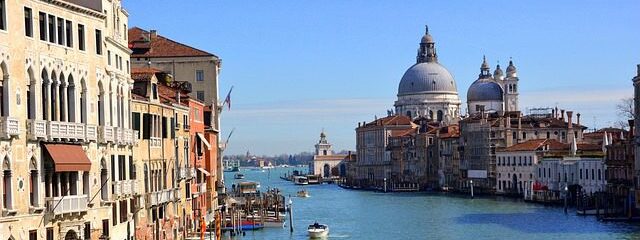
Venice in the Off-Season: A Quieter, More Magical Side of La Serenissima
Few places in the world are as unmistakably iconic as Venice. The floating city of bridges and canals has inspired painters, poets, and dreamers for centuries. But anyone who’s visited in July knows that the city’s romance can be easily eclipsed by throngs of tourists and stifling summer heat. That’s why visiting Venice in the off-season — roughly late October through March — can be one of the most rewarding travel decisions you make. The air is cooler, the canals are mistier, and the city’s rhythm returns to something closer to what locals experience year-round.
If you’re curious about how to plan an off-season visit, what to expect from the acqua alta, and how to make the most of Venice when the crowds are gone, here’s everything you need to know.
The Charm of the Off-Season
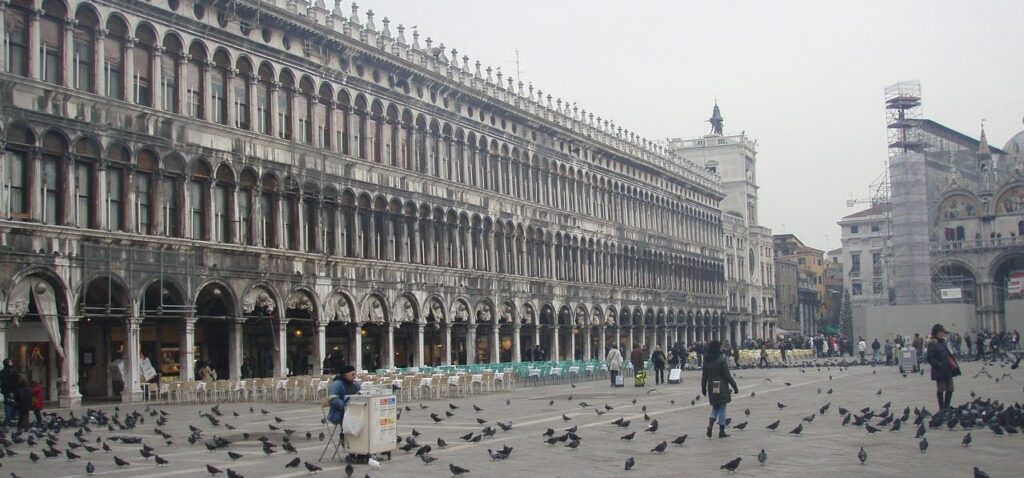
During the off-season, Venice feels more like itself — a working city with local life pulsing through its narrow alleyways. The cruise ships have largely vanished, and instead of elbowing your way through St. Mark’s Square, you might share it with a handful of photographers and a few pigeons.
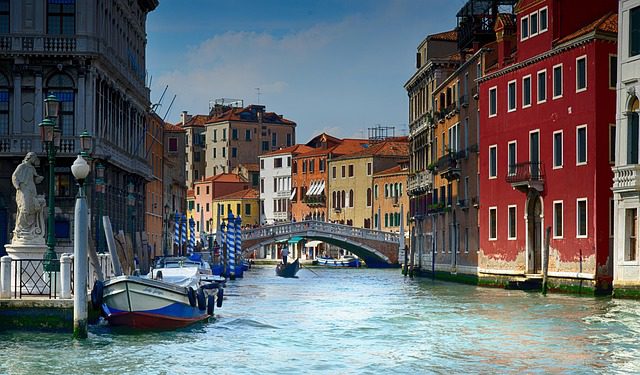
From November to early March, hotel prices drop dramatically — sometimes by half compared to summer. You’ll find cozy cafés without queues, vaporetto (waterbus) seats available, and a rare sense of calm in a city that’s usually overrun. The soft winter light reflecting off the canals makes for breathtaking photos, and fog sometimes wraps the city in a mysterious, almost dreamlike haze.
There’s also a touch of magic in the quiet. When you step outside your hotel early in the morning and the only sounds are church bells echoing and the slap of water against stone steps, you’ll understand why many Venetians love this season most.
Understanding the Acqua Alta (High Water)
If you visit Venice in late autumn or winter, you’ll likely hear about — or experience — the acqua alta, literally “high water.” It’s a seasonal tidal phenomenon when strong tides and winds from the Adriatic Sea push water into the Venetian Lagoon, temporarily flooding parts of the city.
Historically, acqua alta was a major inconvenience, with water flooding Piazza San Marco and nearby streets several times a year. Locals would wade through the water in rubber boots while wooden walkways (called passerelle) were set up for pedestrians.
However, since the MOSE flood barrier system began full operation in 2020, these events have been significantly reduced. The barriers can be raised to block the incoming tide, meaning Venice now experiences fewer and shorter floods than it did a decade ago. Still, minor floods can occur, especially from November to January.
Tips for travelers during acqua alta:
- Bring waterproof boots or buy a disposable pair of plastic overshoes from a local shop.
- Check tide forecasts on the “Centro Maree” (Tide Center) website or app before heading out.
- Stay flexible — flooding often affects low-lying areas like Piazza San Marco, but most of the city remains accessible.
- Don’t panic — acqua alta is temporary, and when the tide recedes, life goes back to normal within hours.
Seeing Venice during or right after acqua alta can actually be enchanting. The city’s famous reflections multiply, turning squares and streets into mirrors of sky and architecture. Just keep your feet dry and your sense of humor intact.
Getting Around Venice in Winter
Venice’s car-free layout doesn’t change with the seasons — you’ll still be navigating a maze of narrow alleys, bridges, and canals. But winter brings a slower, calmer pace.
Explore Venice Hotels

Vaporetto (Waterbus)
The ACTV vaporetto system is the lifeline of the city. Lines 1 and 2 cruise the Grand Canal, offering some of the best sightseeing you can get for a few euros. Line 1 stops at every station, while Line 2 is faster and more direct — perfect for hopping between major sights like Piazza San Marco, Rialto, and Santa Lucia train station.
In colder months, the boats are often less crowded, so you can enjoy a coveted outside seat to watch palaces drift by without someone’s selfie stick in your frame. Multi-day passes are available and worthwhile if you’re staying for more than a couple of days.
Walking
Venice is wonderfully walkable — you can cross the main island from end to end in under an hour (if you don’t get lost, which you probably will, and that’s part of the fun). In winter, wandering becomes even more enjoyable because the crowds have thinned. Bring comfortable shoes; bridges and cobblestones can be slick from mist or rain.
Gondolas and Water Taxis
A gondola ride in winter has a special charm. You’ll often get a lower price (some gondoliers are open to negotiation off-season), and the experience feels more intimate without boats crowding the canals.
Water taxis, on the other hand, are warm and enclosed — convenient if you’re arriving from the airport or traveling with luggage.
Top Attractions That Shine in the Off-Season
Many of Venice’s most famous sights are open year-round — and visiting them when lines are short makes them infinitely more enjoyable.
St. Mark’s Basilica (Basilica di San Marco)
The jewel of Venice, St. Mark’s Basilica, is breathtaking inside and out. In summer, you can wait an hour to enter; in winter, you’ll often walk straight in. The gilded mosaics shimmer in the soft light, and the atmosphere feels almost sacred when the crowds are gone. For a small extra fee, you can visit the terrace overlooking Piazza San Marco — a must-do on a crisp, clear day.
Doge’s Palace (Palazzo Ducale)
Right next to the basilica, the Doge’s Palace is an architectural masterpiece blending Gothic and Renaissance design. Inside, you’ll find vast council chambers, stunning frescoes by Tintoretto, and the eerie Bridge of Sighs, connecting the palace to the old prisons.
With fewer tourists, you can truly take in the scale and beauty of this historic power center.
Rialto Bridge and Market
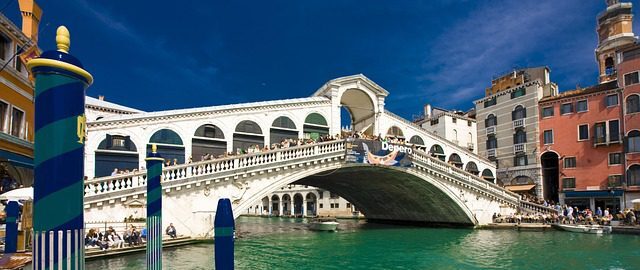
The Rialto Bridge, one of Venice’s most famous landmarks, is usually swarming in summer. In winter, you can linger over its views of the Grand Canal without being jostled. Nearby, the Rialto Market is still bustling in the mornings, especially on weekdays, with locals buying seafood and produce. It’s an authentic glimpse of Venetian daily life.
Gallerie dell’Accademia
Art lovers should not miss this museum, home to works by Titian, Tintoretto, Bellini, and Veronese. The galleries trace the evolution of Venetian painting, and in winter, you can admire the masterpieces without elbowing through tour groups.
Peggy Guggenheim Collection
Set in her former home on the Grand Canal, this museum houses one of Europe’s finest collections of modern art, including works by Picasso, Pollock, and Dali. The sculpture garden, overlooking the water, is peaceful even on chilly days.
Teatro La Fenice
Even if you don’t catch an opera, take a guided tour of this legendary theater. Rebuilt after multiple fires, La Fenice (“The Phoenix”) is a symbol of Venetian resilience. The gilded interiors and plush red seats glow warmly in winter’s dim light.
Hidden Corners and Local Experiences
Off-season travel is the perfect time to venture beyond the Grand Canal and discover the quieter sides of Venice.
The Dorsoduro District
Home to art students, galleries, and elegant palazzi, Dorsoduro feels authentic and relaxed. Wander along the Zattere promenade for sweeping lagoon views, then stop for a hot chocolate or a spritz at a canal-side café.
Cannaregio
This northern district, where many Venetians actually live, has an intimate neighborhood feel. Visit the Jewish Ghetto, one of Europe’s oldest, and explore its synagogues and kosher bakeries. At night, Cannaregio’s wine bars come alive with locals enjoying cicchetti (Venetian tapas).
Exploring the Islands of the Venetian Lagoon
No trip to Venice is complete without venturing beyond the main island to explore the other jewels scattered across the lagoon. Each island has its own rhythm, history, and craft, and visiting them in the off-season means you’ll experience their quiet authenticity without the crush of summer tour groups.
Murano, the closest and most famous, has been the center of Venetian glassmaking since the 13th century. The Republic of Venice moved all its glass furnaces here to reduce fire risk in the main city, and the craft flourished in isolation. Today, Murano remains alive with the glow of furnaces and the hum of artisans at work, even on cold, misty mornings. You can watch glassblowers shape molten glass into delicate chandeliers, vases, and sculptures, often inside family-run studios that have been operating for generations. Winter is an especially good time to shop, as prices are lower and artists have more time to talk about their work — and to help you distinguish genuine Murano glass from the imitations sold elsewhere.
Further out lies Burano, a kaleidoscope of color that feels almost unreal under the pale winter light. Every house on this tiny island is painted a different vivid shade — pink, turquoise, yellow, lavender — creating a striking contrast against the gray lagoon. Local legend says fishermen began painting their homes centuries ago so they could spot them through the fog. Burano is also known for its centuries-old lace-making tradition, once overseen by an island school that trained generations of artisans. Even today, you can visit small shops where women hand-stitch intricate lace patterns as their mothers and grandmothers did before them. In winter, with the usual tourist bustle gone, Burano feels wonderfully tranquil — a handful of locals chatting in doorways, laundry flapping in the chill air, and reflections of candy-colored houses rippling on the canal’s surface.
A short vaporetto ride beyond Burano brings you to Torcello, a world apart from modern Venice. Once a thriving settlement older than the city itself, Torcello was the original heart of the lagoon’s civilization before malaria and shifting tides drove its population away.
Today, it’s nearly silent — home to fewer than 20 residents, a few restaurants, and the hauntingly beautiful Cathedral of Santa Maria Assunta, founded in 639 AD. Inside, you’ll find some of the most exquisite Byzantine mosaics in Europe: a glittering golden Virgin above the altar and an immense Last Judgment that seems to shimmer in the dim winter light. Walk a little further along the grassy paths and you’ll find the “Throne of Attila”, a weathered stone chair shrouded in legend, said to have belonged to the infamous Hun (though historians disagree). Visiting in the off-season feels like stepping back a thousand years — the air still, the lagoon quiet, and only the soft calls of waterbirds breaking the silence.
Each island reveals a different face of Venice — Murano’s craftsmanship, Burano’s cheerful artistry, Torcello’s ancient soul. Visiting them in winter isn’t just a side trip; it’s a chance to see how life in the lagoon endures beyond the postcard image, tied as much to water and weather as to history and art.
Explore Venice Hotels
Museums and Rainy Day Havens
When the weather turns rainy — and it will at some point — Venice’s many museums and historic buildings become your refuge.
- Museo Correr (in St. Mark’s Square): Offers insight into Venice’s history and daily life, with elegant 19th-century rooms.
- Ca’ Rezzonico: A grand canal-front palace filled with 18th-century furnishings, chandeliers, and frescoes.
- Palazzo Mocenigo: A gem for fashion and perfume lovers, with exhibits on Venetian textiles and fragrances.
- Scuola Grande di San Rocco: A dazzling hall covered in Tintoretto masterpieces — arguably one of the city’s most impressive interiors.
Food and Drink: Winter Comforts Venetian-Style
Cold weather brings out Venice’s hearty side. You’ll see fewer gelato stands and more cozy osterie serving warming dishes like:
- Sarde in saor (sweet-and-sour sardines with onions and pine nuts)
- Risotto al nero di seppia (creamy rice with cuttlefish ink)
- Bigoli in salsa (thick pasta with anchovies and onions)
- Fegato alla veneziana (Venetian-style liver with polenta)
Pair your meal with a Venetian spritz (select or Aperol, topped with prosecco and soda) or a local red wine like Valpolicella Ripasso. For dessert, try frittelle, sweet fried pastries that appear during Carnival season.

Carnival and Other Off-Season Events
If you visit between mid-February and early March, you’ll encounter the Venice Carnival — a festival of masks, costumes, and parades that fills the city with life before Lent. Even if you’re not dressing up, watching costumed locals glide through the foggy piazzas is unforgettable.
Other off-season highlights include:
- Christmas Markets (December): Stalls with crafts, ornaments, and treats in Campo Santo Stefano.
- Feast of the Epiphany Regatta (January 6): Rowers dressed as witches race down the Grand Canal.
- Biennale Arte or Architettura (alternating years, often open into November): A major international art or architecture exhibition.
Practical Tips for Visiting Venice in the Off-Season
- Dress warmly and in layers. Temperatures range from 3–10°C (37–50°F). Wind and humidity make it feel colder.
- Bring waterproof gear. A small umbrella and a waterproof coat are essential.
- Plan around shorter daylight hours. Sunset can be as early as 4:30 p.m., so start sightseeing early.
- Book hotels with heating and good insulation. Venetian winters can be damp, so comfort matters.
- Support local businesses. Many small family-run restaurants and shops depend on winter visitors.
Why You’ll Fall in Love with Venice in Winter
Venice off-season is an entirely different experience — serene, soulful, and deeply atmospheric. Without the cruise ships and crowds, you can see the city as it truly is: a fragile masterpiece of human ingenuity and endurance.
You’ll leave with more than photos — you’ll have memories of fog-draped canals, quiet evenings in candlelit restaurants, and the sound of footsteps echoing over ancient bridges.
For many travelers, this quieter Venice isn’t just a different version of the city — it’s the real one.
For more inspiration on Italy destinations check out Tuscany in the Fall: A Journey Through Harvests, Hills, & Heritage