
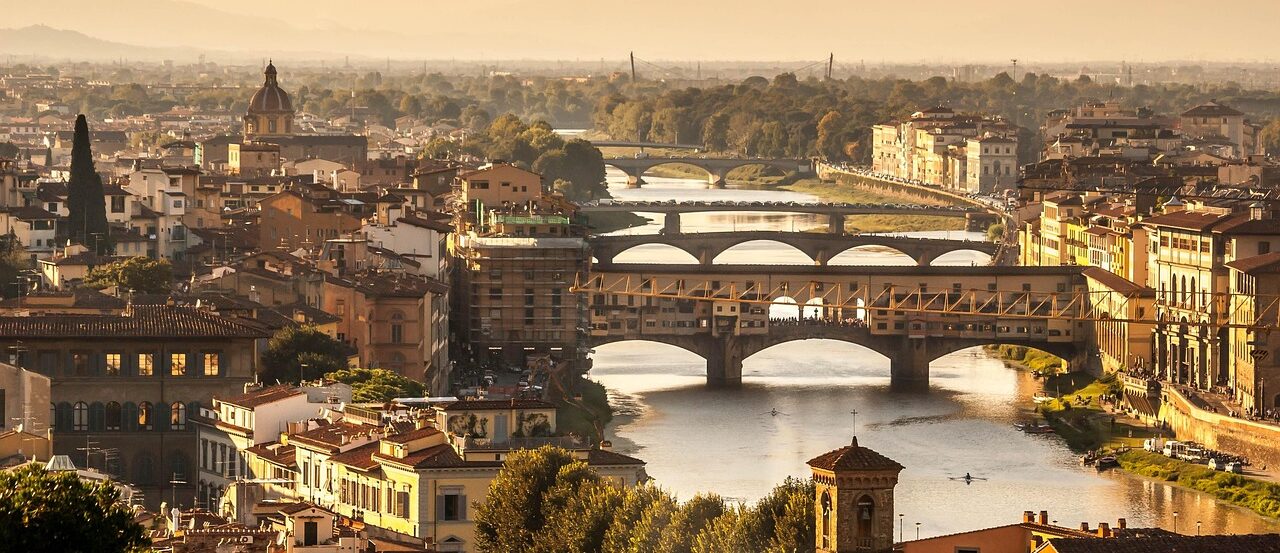
Why Visit Tuscany in the Fall?
Most travelers associate Tuscany with summer, but autumn (September–November) is arguably the best season to explore. The weather is pleasantly mild, the crowds of July and August have thinned, and the region bursts with seasonal experiences.
– Perfect Weather: Daytime temperatures average 60–75°F (15–24°C), ideal for sightseeing and vineyard tours.
– Harvest Season: Tuscany’s grape harvest (vendemmia) and olive harvest bring life to towns and wineries.
– Fewer Crowds: Enjoy Florence’s museums or Siena’s piazzas without the summer rush.
– Foliage & Landscapes: Rolling hills are painted with reds, yellows, and browns, adding a magical backdrop to any journey.
The Beauty of Tuscany’s Fall Landscapes
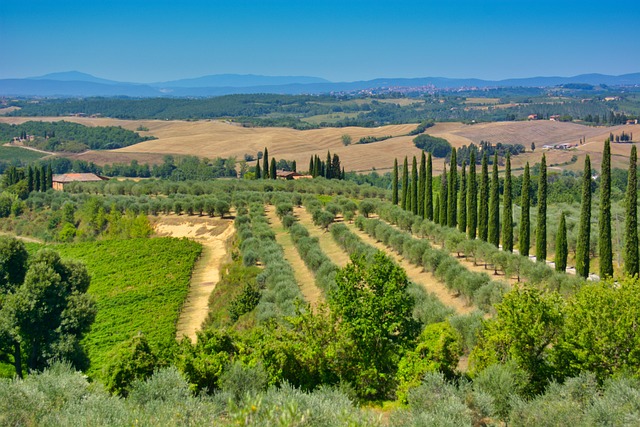
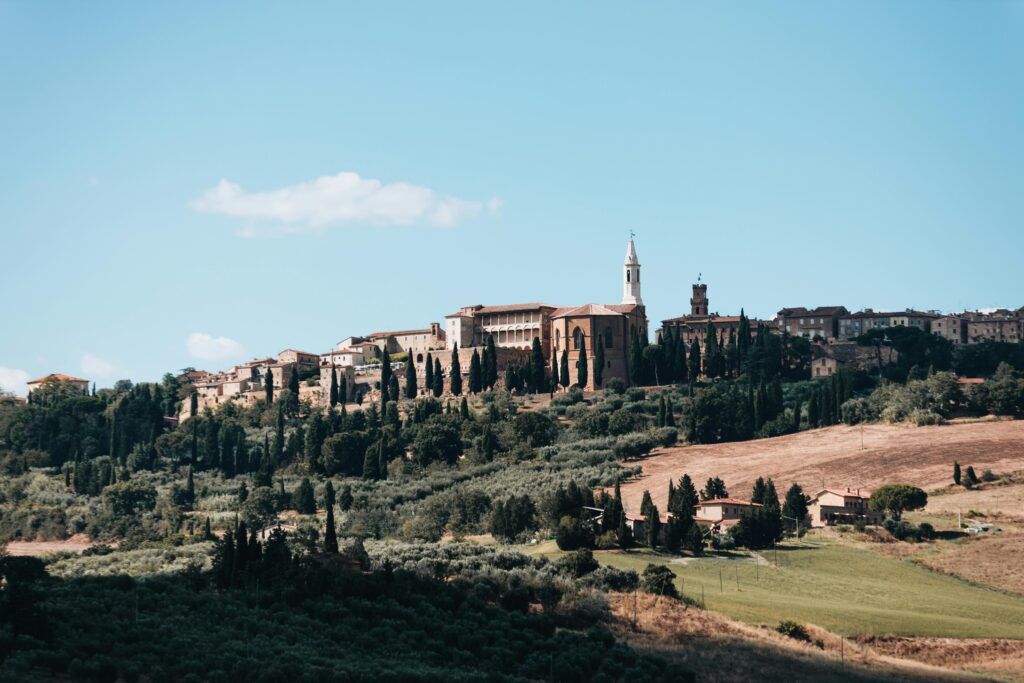
If you’ve ever seen a postcard of Tuscany with golden fields, cypress-lined roads, and rustic farmhouses, imagine that scene intensified by autumn light. The countryside transforms into a painter’s palette, and each hill seems more picturesque than the last.
– Chianti Hills: Vineyards blush with red and gold vines.
– Val d’Orcia: Wheat fields are replaced with earthy tones, perfect for photography.
– Tuscan Forests: Oak and chestnut woods near Monte Amiata glow with fall colors.
Walking or cycling through these landscapes in autumn is a once-in-a-lifetime experience.
Explore Tuscany Hotels

Fall Festivals and Seasonal Celebrations
Tuscany thrives on tradition, and fall is the season of festivals. Travelers will find authentic cultural experiences in nearly every town.
– Grape Harvest Festivals: Villages across Chianti celebrate vendemmia with parades, tastings, and music.
– Olive Oil Festivals: Freshly pressed olive oil, known as olio nuovo, is celebrated in towns like Impruneta and Reggello.
– White Truffle Fair in San Miniato: Every November, this medieval town hosts one of the most prestigious truffle markets in Italy.
– Chestnut Festivals: In the mountain towns, chestnuts are roasted, baked, and brewed into seasonal treats.
Tuscany’s Wine Country in Autumn
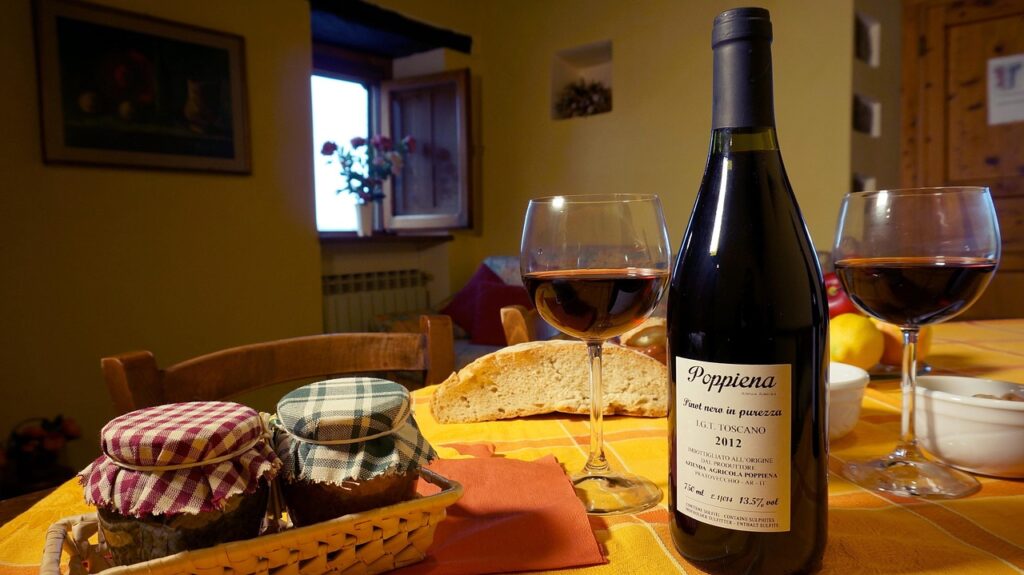
Wine lovers rejoice—fall in Tuscany is all about the grape harvest. Chianti, Montalcino, and Montepulciano are at their finest this season.
– Chianti Classico: Known for its Sangiovese grapes, this region offers tours, tastings, and opportunities to join the harvest.
– Montalcino: Famous for Brunello wines, this medieval town’s wineries welcome visitors to see harvest traditions firsthand.
– Montepulciano: Home to Vino Nobile, this town offers panoramic views paired with rich red wines.
Many wineries host guided tours and tastings, and in some, you can even participate in grape picking. It’s a hands-on way to connect with the land.
Olive Harvest: A Tuscan Tradition
While wine may steal the spotlight, Tuscany’s olive oil is equally famous. In October and November, farmers harvest olives by hand before pressing them into olio nuovo. The oil is bright green, peppery, and bursting with fresh flavor.
Travelers can join local farms for harvest experiences, taste the oil straight from the press, and enjoy it drizzled over fresh bread. Visiting an olive oil mill in fall is both a sensory and cultural highlight.
Truffle Hunting in Tuscany
Fall is also truffle season, and Tuscany is a prime region for this gourmet delicacy. San Miniato, between Florence and Pisa, is renowned for its white truffles.
Many local guides offer truffle hunting tours, where visitors accompany trained dogs into the woods to find these prized fungi. Afterward, enjoy a truffle-inspired meal paired with local wines—a truly Tuscan indulgence.
Explore Tuscany Homes

Exploring Tuscany’s Cities in Autumn
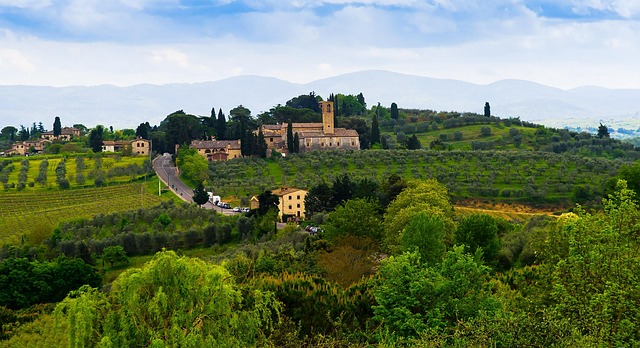
While the countryside shines, Tuscany’s historic cities also take on a special charm in fall.
– Florence: Cooler weather makes visiting the Uffizi Gallery, Duomo, and Ponte Vecchio more comfortable. Cafés feel cozy, and fewer tourists mean more intimate experiences.
– Siena: With its medieval square, Siena is atmospheric in the crisp autumn air. Seasonal food festivals often take place here in the fall.
– Pisa: Visit the Leaning Tower without the long lines of summer.
– Lucca: Known for its Renaissance walls, Lucca is especially beautiful with autumn foliage climbing over its ramparts.
These cities offer a mix of art, architecture, and seasonal cuisine, making them perfect additions to a fall itinerary.
Culinary Delights
Autumn is a food lover’s dream in Tuscany. Seasonal specialties include:
– Porcini Mushrooms: Fresh and earthy, often served with pasta or risotto.
– Chestnut Flour Dishes: Used in breads, cakes, and traditional polenta.
– Hearty Soups: Ribollita and pappa al pomodoro are warming fall favorites.
– Game Meats: Dishes featuring wild boar and pheasant appear on menus.
– Truffles: Shaved over pasta, eggs, or steak for an unforgettable flavor.
Pair these meals with local wines, and you have the essence of Tuscan autumn cuisine.
Outdoor Adventures
The moderate weather makes fall the perfect season for outdoor activities in Tuscany.
– Hiking: Trails in Val d’Orcia, Garfagnana, and Monte Amiata offer stunning views.
– Cycling: Ride through Chianti vineyards or along Lucca’s city walls.
– Hot Springs: Saturnia’s thermal baths are especially inviting on cool autumn evenings.
– Photography Tours: The golden light and autumn colors create ideal conditions.
Outdoor exploration in fall blends natural beauty with cultural immersion.
Explore Tuscany Hotels
Where to Stay in Tuscany
Accommodation in Tuscany ranges from rustic farmhouses to luxury villas. Fall is considered shoulder season, so prices are lower than summer, and availability is better.
– Agriturismi: Farm stays that let you experience rural Tuscany firsthand, often with homemade meals.
– Villas: Ideal for groups or families, often set amid vineyards.
– Boutique Hotels: Found in cities like Florence and Siena for those seeking comfort and convenience.
– Countryside B&Bs: Cozy and affordable, perfect for couples looking for a romantic getaway.
Booking a stay in the countryside ensures you’ll wake up to golden hills and crisp autumn air.
Practical Tips for Traveling Tuscany in Fall
– Best Time to Visit: Late September to early November. Early fall offers warmer weather, while November is best for truffles and olive oil.
– What to Pack: Layers, comfortable walking shoes, and a light jacket. Evenings can get chilly.
– Transportation: Renting a car is the best way to explore small towns and countryside routes.
– Language: Basic Italian phrases go a long way, especially in rural areas.
– Budgeting: Fall offers lower prices compared to summer, but truffle season can be more expensive in certain towns.
Sample 7-Day Tuscany Fall Itinerary
Day 1–2: Florence (art, museums, food tours)
Day 3: Chianti wine country tour
Day 4: Siena and Monteriggioni
Day 5: San Miniato truffle hunt and tasting
Day 6: Val d’Orcia countryside (Pienza, Montalcino, Montepulciano)
Day 7: Relax at Saturnia hot springs or olive oil farm experience
This itinerary balances city culture with countryside indulgence.
Perfect Time to Discover Tuscany
Tuscany is a destination that shines year-round, but fall offers something truly special. Between the harvest celebrations, golden hills, and cozy meals by candlelight, autumn reveals the region at its most authentic and romantic.
Whether you’re sipping Brunello in a medieval town, foraging for truffles in oak forests, or wandering Florence’s art-filled streets, Tuscany in fall is a sensory journey that lingers long after you’ve returned home.
So pack your camera, your appetite, and your sense of adventure—because Tuscany in autumn is waiting to enchant you.
Looking for more inspiration? Check out our related post on Florence for even more travel ideas.