
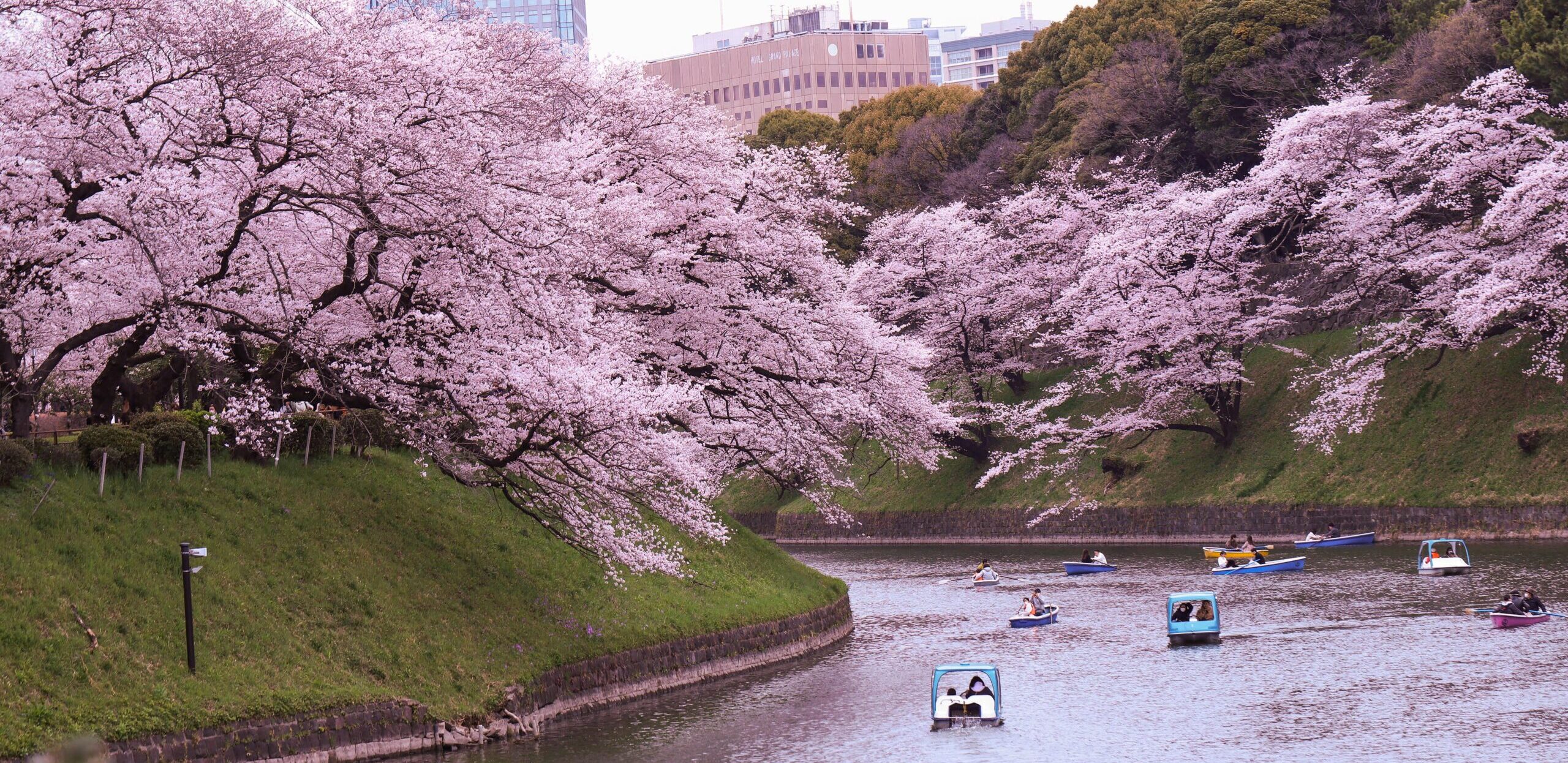
Tokyo in spring is a study in contrast and harmony. From late March through early April, Japan’s capital transforms into a city awash in pale pink as cherry blossoms bloom across parks, riversides, shrines, and neighborhoods. At the same time, daily life continues at full speed—bullet trains glide through the city, business districts hum with activity, and neon lights glow over packed izakayas. For travelers, this is one of the most compelling times of year to experience Tokyo: temperatures are mild, skies are often clear, and centuries-old seasonal traditions unfold alongside modern urban culture.
Weather and What to Expect
March marks the transition from winter to spring. Early March can still feel cool, with average temperatures ranging from the mid‑40s to upper‑50s Fahrenheit (7–15°C). By April, daytime temperatures typically rise into the 60s and low 70s Fahrenheit (18–22°C), making it ideal for walking and outdoor exploration. Light layers are recommended, as evenings can still be crisp.
This period also coincides with the Japanese fiscal and academic new year, which begins in April. As a result, the city feels energized. Parks fill with families, coworkers, and students gathering for hanami—the traditional custom of viewing cherry blossoms. Hotels book quickly during peak bloom, so advance reservations are essential.
Cherry Blossoms and Hanami Culture
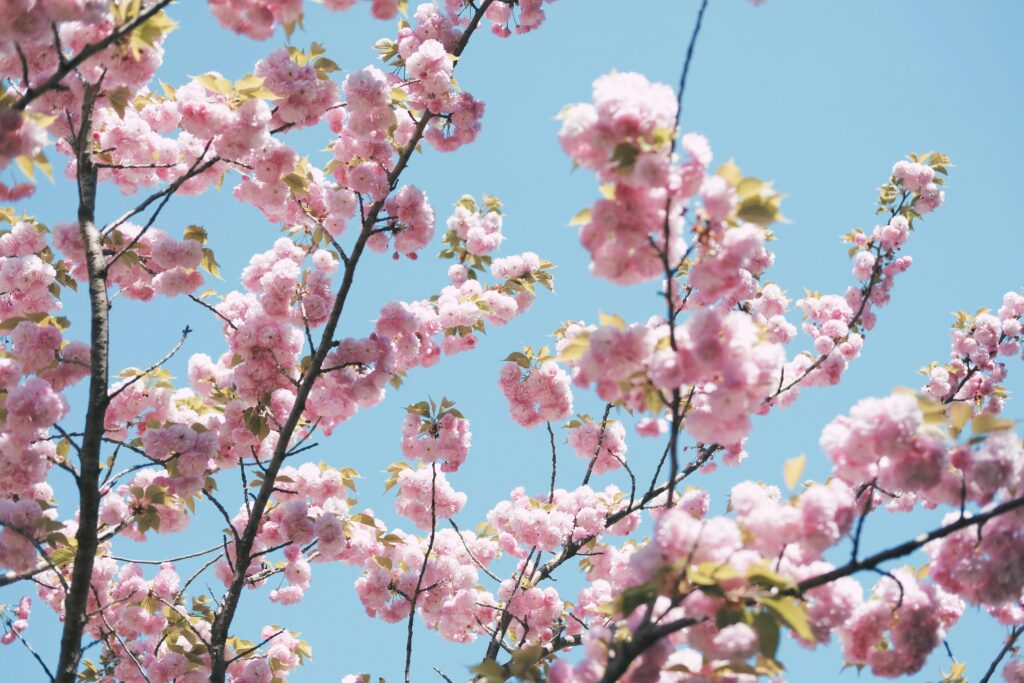
Cherry blossom season, or sakura season, is the defining feature of spring in Tokyo. Bloom timing varies slightly each year depending on weather patterns, but blossoms typically begin opening in late March and reach full bloom (mankai) around early April.
Among the most celebrated viewing locations is Ueno Park, where more than 1,000 cherry trees line wide pathways and create a canopy of pink overhead. Shinjuku Gyoen offers a more refined garden setting, combining traditional Japanese landscaping with French and English garden influences. Along the Meguro River, hundreds of cherry trees arch over the canal, and in the evenings, lanterns illuminate the blossoms for a magical nighttime display.
Hanami is both a visual and social experience. Groups gather beneath blooming trees with picnic blankets, seasonal foods, and drinks. Convenience stores and department stores sell special sakura-themed bento boxes and sweets designed specifically for these gatherings. Visitors are welcome to participate respectfully—arrive early to secure a spot, keep the area clean, and observe local etiquette.
Beyond the Blossoms: Spring Gardens and Seasonal Beauty
While cherry blossoms receive global attention, Tokyo’s spring landscape offers additional floral highlights. Azaleas begin blooming in April at Nezu Shrine, and tulips brighten Showa Kinen Park. Traditional gardens such as Rikugien and Hamarikyu provide quieter alternatives to busier blossom sites, featuring reflective ponds, teahouses, and meticulously pruned pines framed by spring color.
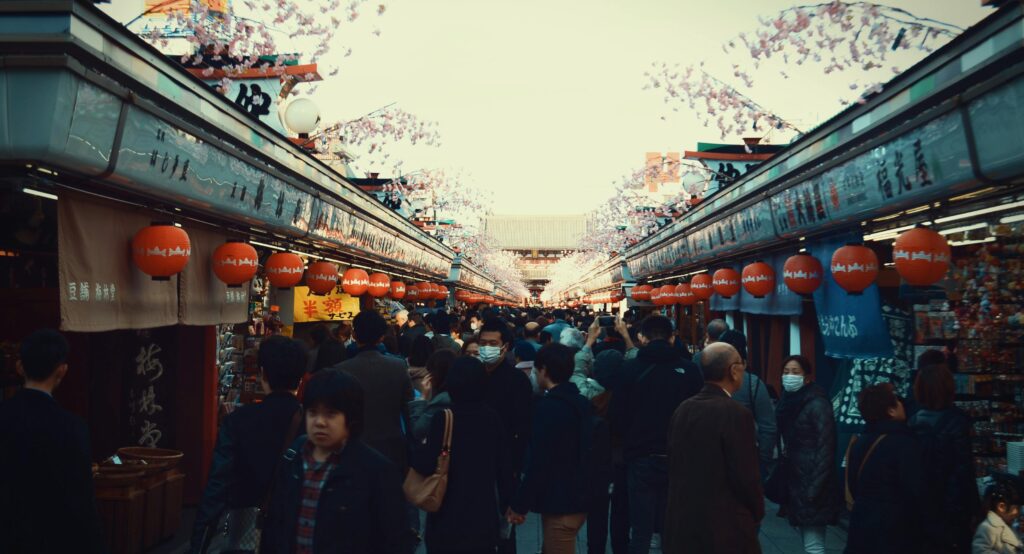
Spring is also one of the best seasons to explore Tokyo on foot. The comfortable temperatures make it ideal for wandering through neighborhoods like Asakusa, where Senso-ji Temple stands amid historic streets, or Daikanyama, known for its boutique shops and architectural design spaces.
Explore Tokyo Hotels

The Convenience Store Foodie Experience (Konbini Culture)
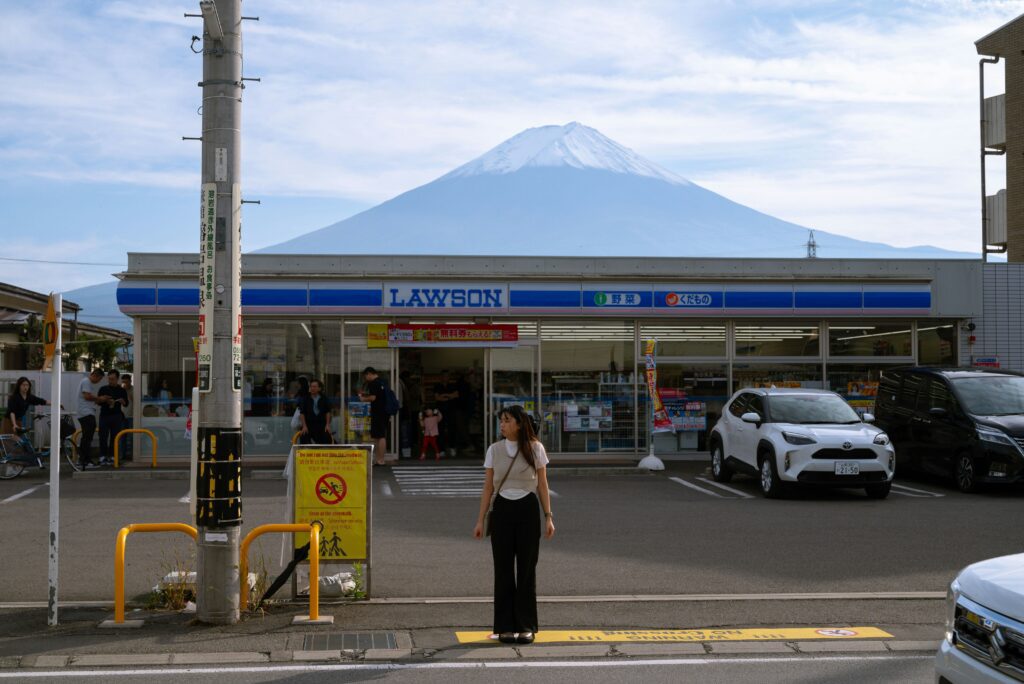
No visit to Tokyo is complete without embracing the convenience store experience. Known locally as konbini, chains such as 7‑Eleven, FamilyMart, and Lawson redefine expectations of quick meals. Far from basic snacks, these stores offer fresh, high-quality, and surprisingly sophisticated food options at affordable prices.
During spring, shelves fill with seasonal specialties. Sakura mochi—sweet rice cakes wrapped in salted cherry leaves—appear in delicate pink hues. Limited-edition desserts incorporate cherry blossom flavors into puddings, cakes, and even lattes. Hanami bento boxes include neatly arranged rice, grilled fish, pickled vegetables, and tamagoyaki (Japanese omelet), ideal for enjoying under blooming trees.
Signature items available year-round include onigiri (rice balls filled with tuna, salmon, or pickled plum), egg salad sandwiches on soft milk bread, karaage fried chicken, and steaming bowls of ramen. Many locations provide hot beverage machines, ATMs that accept international cards, and spotless restrooms, reinforcing the konbini’s role as an essential part of daily life in Japan.
For travelers, sampling konbini cuisine is both practical and culturally immersive. It reflects Japan’s emphasis on quality, efficiency, and presentation—even in the most ordinary settings.
Culinary Exploration Beyond Konbini
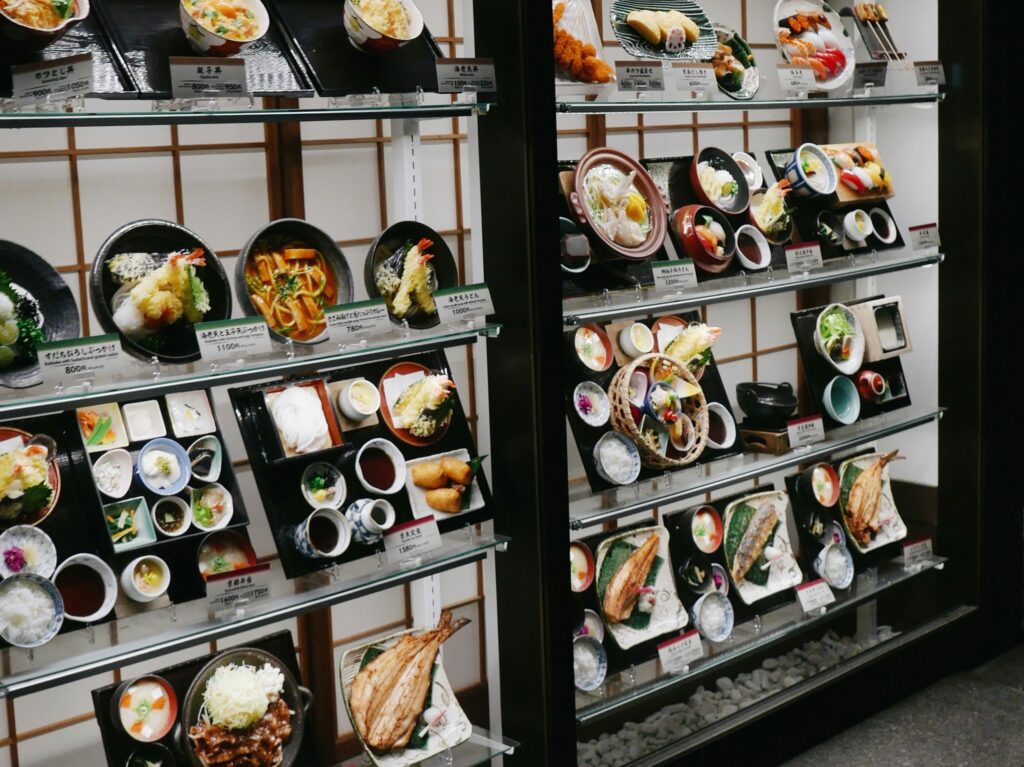
Spring is also an exceptional season for broader culinary exploration. Department store food halls, known as depachika, showcase seasonal wagashi (traditional sweets), beautifully packaged pastries, and regional delicacies. Tsukiji Outer Market remains a destination for fresh seafood and street-style bites, while upscale sushi counters highlight seasonal fish selections.
April brings fresh bamboo shoots and young greens to menus. Tempura restaurants often feature spring vegetables lightly battered and fried. Matcha desserts and sakura-themed treats dominate café menus throughout the city.
Cultural Highlights and Seasonal Events
Spring in Tokyo offers more than floral beauty and cuisine. Museums and galleries present major exhibitions during this period, and outdoor festivals animate neighborhood streets. Senso-ji Temple hosts traditional events, and Meiji Shrine provides a tranquil forested retreat from urban intensity.
For panoramic city views framed by spring light, observation decks such as Tokyo Skytree and Shibuya Sky provide sweeping vistas. Clear spring days often reveal Mount Fuji in the distance.
Shopping and Urban Exploration
Tokyo’s retail districts are particularly vibrant in spring. Ginza’s flagship stores unveil new seasonal collections, while Harajuku buzzes with youth fashion and street culture. In Nakameguro, independent boutiques and cafés line blossom-filled canals. The pleasant weather makes exploring these neighborhoods enjoyable without the humidity of summer.
Practical Travel Tips for March and April
1. Book accommodations early, especially during peak bloom forecasts.
2. Monitor cherry blossom predictions from official tourism sites to time your visit.
3. Purchase a rechargeable IC card (Suica or Pasmo) for seamless public transport.
4. Arrive early at popular blossom spots to secure viewing space.
5. Pack layers and comfortable walking shoes.
Explore Tokyo Hotels
Why Spring Is Tokyo’s Most Memorable Season
Tokyo in spring balances fleeting natural beauty with enduring cultural tradition. Cherry blossoms last only about one week at full bloom, a reminder of the Japanese concept of mono no aware—the gentle awareness of impermanence. This philosophy subtly shapes the atmosphere of the season. Locals pause to appreciate the blossoms, gather with friends, and celebrate renewal.
At the same time, the city’s modern energy remains constant. Neon-lit districts, precision rail systems, and culinary innovation continue uninterrupted. For travelers, this intersection of transience and dynamism creates a uniquely powerful experience.
Whether picnicking beneath sakura trees, savoring a convenience store bento, strolling historic temple grounds, or viewing the skyline from above, visitors encounter a Tokyo that feels both intimate and expansive. March and April offer clarity, color, and cultural richness—making spring not just a popular time to visit, but arguably the most rewarding.