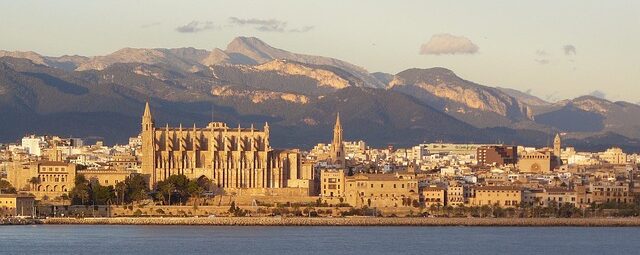
Palma de Mallorca, the vibrant capital of the Balearic Islands, offers a dreamy combination of Gothic grandeur, Mediterranean beaches, and a dynamic foodie scene. With its sunny weather, narrow historic streets, and postcard-perfect palm‑fringed promenade, Palma is a multifaceted delight brimming with surprising details for first-time and return visitors alike.
Arrival & First Impressions
As your flight descends over the shimmering blue of the Bay of Palma, the iconic silhouette of La Seu Cathedral—set dramatically on the water’s edge—quickly signals the city’s majestic charm. Once you collect your bags, hop into a taxi or a city bus and in just a short ride you’re immersed in sun-dappled plazas and palm‑lined avenues.
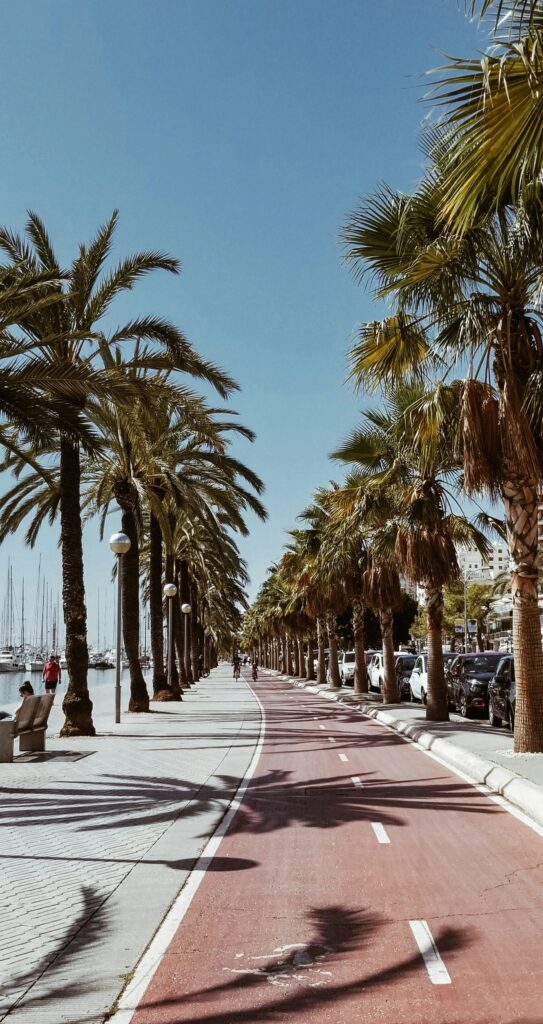
Head straight for the Passeig del Born, the city’s leafy grand boulevard. It’s ideal for people-watching—genteel cafés, chic boutiques, and thriving nightlife anchor this elegant spine. You’ll sense the city’s dual nature: relaxed yet cosmopolitan.
La Seu Cathedral & Parc de la Mar
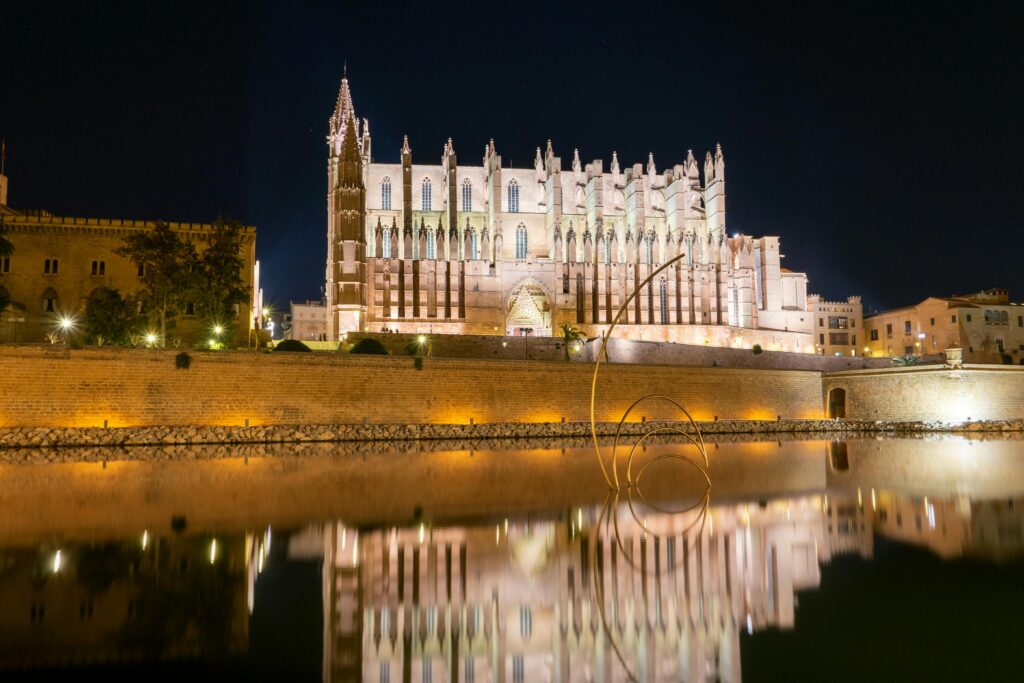
This soaring Gothic cathedral began construction in 1229 atop a former mosque and was enriched in the 20th century by Antoni Gaudí’s interventions. Step inside to marvel at its 44-meter-high nave and one of the world’s largest Gothic rose windows. Tip: take the lift to the terraces for sweeping views over the sea and city rooftops.
Just south, the Parc de la Mar creates a magical mirage: palm trees, reflecting pools, and cafés set beneath the cathedral walls. It’s particularly atmospheric near sunset, when the golden light makes the cathedral glow.
Explore Palma Hotels

Palma’s Old Town: A Photogenic Labyrinth
Venturing into the Old Town feels like entering a living medieval manuscript. Winding alleys lead past hidden courtyards and ornate balconies. Significant spots include:
- La Lonja, a striking 15th‑century Gothic former fish market, now an art exhibition space.
- The Arab Baths (Banys Àrabs), one of Palma’s few Moorish remnants from the 11th century.
- hidden plazas such as Plaça de la Reina and Plaça d’Espanya, offering refreshment stops in charming cafés.
Insider tip: explore early in the morning when trellised light streams through. Midday brings bustling locals and tourists—a lovely energy, but quieter hours give the city its soul.
Cultural Treasures: Museums, Art & Gaudí’s Duende
Art lovers will delight in Palma’s rich museum circuit:
- Es Baluard Museum of Modern & Contemporary Art, nestled in centuries‑old bastions with rooftop views of the cathedral.
- Fundació Pilar i Joan Miró, dedicated to the legendary artist who spent his final years here.
- The Museu Diocesà next to La Seu, for a deeper dive into religious art.
Nearby, the Palma Aquarium offers a refreshing change of pace—home to Europe’s deepest shark tank and lively Mediterranean gardens, perfect for a family day or a cool break from the midday sun.
Castles & Panoramas: Bellver & Beyond
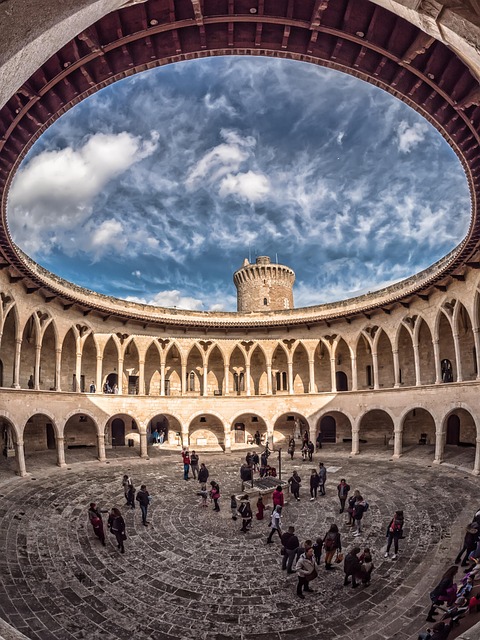
For picture-perfect vistas, take a short taxi or bus ride to Castell de Bellver, a circular hilltop castle overlooking Palma and the azure bay. The grounds are a leafy oasis with panoramic views, ideal for a sunset climb or a morning walk.
Venture further north for day trips:
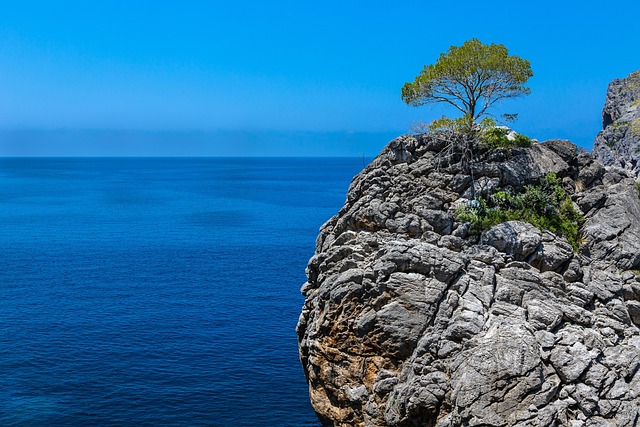
- Valldemossa, a mountain village where Chopin once stayed.
- Deia, and artist’s haven with olive groves and cliffside cafes.
- The charming vintage train & tram to Soller and Port de Soller, with scenic wheels-on-rails experience.
Sea & Sand: Beaches Near & Far
While Palma’s own city‑beach—you’ll find it just east of the marina—is fine for an urban splash, the real treasures lie a short ride away. Head to:
- Illetas and Cala Major, sandy coves around 20 minutes west by bus or car.
- Further along, Cala Fornells offers a quieter rocky retreat.
- Planning further afield? Es Trenc near Colònia de Sant Jordi draws sun‑seekers with its Caribbean‑style sands, while the dramatic Cuevas del Drach (Dragon Caves) dazzle with subterranean concerts and stalactites.
Taste & Savor: A Foodie’s Journey
Mallorcan cuisine fuses Catalan flavors with Mediterranean bounty. Don’t miss these specialties:
- Ensaimada, a delicate spiral pastry best sampled at Ca’n Joan de s’Aigo, Palma’s historic café.
- Sobrassada, a spreadable sausage; pick some up at specialty shops like Colmado Santo Domingo.
- Savory arròs brut, almond-heavy, and sea‑salted Pa amb oli, usual tapas fare
- Seafood dinners along the waterfront—try La Lonja or Botànic’s garden‑dine scene.
Explore Palma Hotels
Evening & Nightlife: A Toast to Paradise
As day turns to night, Palma comes alive:
- Head back to Passeig del Born or Plaza Mayor for a tipple in cool cocktail bars or wine lounges.
- For authentic local wine and live music, seek out small bodegas hidden in the Old Town.
- For something livelier, the marina area and the bars along Playa de Palma near the airport offer seaside club energy.
Tips & Local Insights
- Transportation: Palma’s smart bus & train network (EMT, TIB) makes day trips easy. On Sundays, Castell de Bellver offers free entry.
- Best time to visit: Spring (May–June) and early autumn (September) bring perfect weather and light crowds. High summer is hot and busy, particularly for beaches.
- Safety & Smarts: Palma feels safe—locals are calm, work‑oriented, and homelessness is rare. Just guard your belongings in tourist districts.
- Cultural etiquette: Embrace siesta time—shops pause mid‑afternoon for 2–3 hours before reopening after 5 pm.
- Hidden charm: Watch rooftops and courtyards—many rooftop terraces double as intimate bars. A stroll in Sant Francesc or La Lonja is pure treasure-hunt joy.
Palma de Mallorca isn’t just a sunny coastal city—it’s a living mosaic of epochs: Romans, Moors, Gothic builders, and modern artists like Miró and Gaudí. You can spend tranquil mornings wandering atmospheric streets and vibrant afternoons by the sea. Each evening, take in castle views or elegant dinners beneath ancient walls. Whether it’s your first visit or one more chapter in a love affair with the Mediterranean, Palma casts a warm spell—beckoning you to slow your pace, indulge your senses, and immerse yourself in island life.