Madrid: Timeless Allure
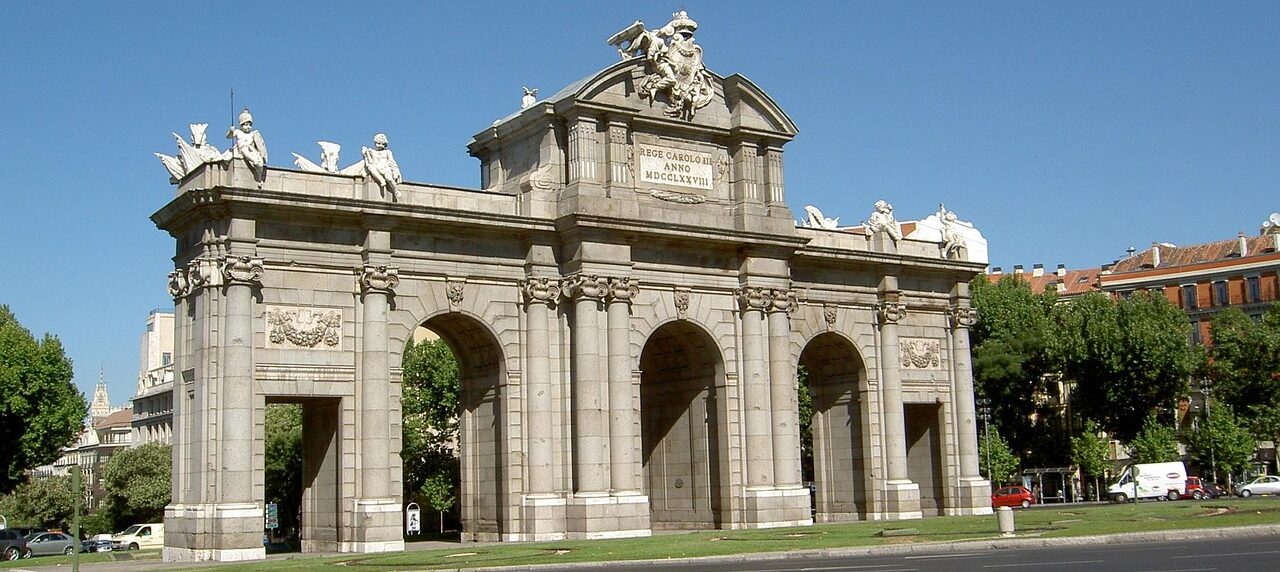
Few cities balance old-world elegance and modern vibrancy quite like Madrid. Spain’s capital pulses with energy: grand boulevards lined with Belle Époque architecture, world-class art museums, cozy tapas bars, and sunlit plazas where life seems to pause for a café con leche. Whether you’re traveling with friends, family, a partner, or on your own, Madrid offers a rich tapestry of history, culture, andculinary delights—with enchanting excursions just a short train ride away.
We’ll walk you through the best experiences Madrid has to offer, from iconic sights to hidden corners, from food markets to day trips beyond the city limits.
Must-See Highlights in Madrid
The Royal Palace (Palacio Real)
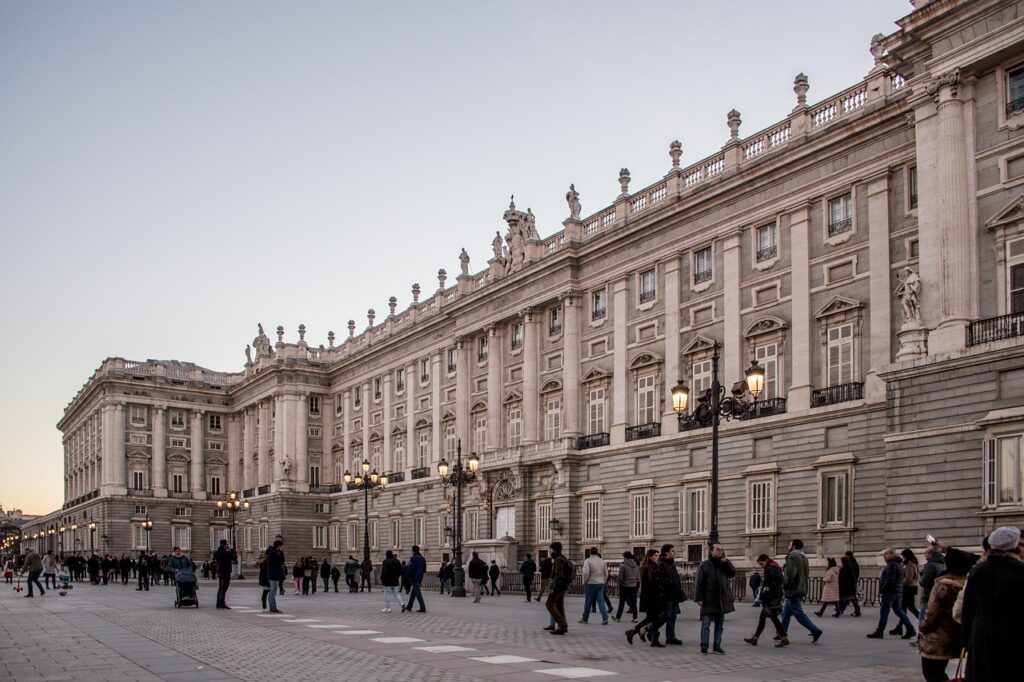
Start your Madrid adventure at the Palacio Real, Europe’s largest functioning royal palace. With over 3,400 rooms, lavish décor, chandeliers, frescoes, and tapestries, it offers a dazzling glimpse into Spain’s regal past. Guided tours take you through the Throne Room, the Royal Armoury, and the ornate dining halls. Even if you don’t go inside, the exterior is spectacular, framed by the Plaza de la Armería and the grand Almudena Cathedral next door.
Puerta del Sol & Plaza Mayor
At Madrid’s geographic and symbolic heart lies Puerta del Sol, a lively square where locals gather beneath the clocktower to celebrate New Year’s Eve. Don’t miss the famous “Kilometer Zero” plaque, marking the starting point of Spain’s road network. Just a short walk away is Plaza Mayor, a magnificent arcaded square that has hosted bullfights, markets, and festivals over the centuries. Today, it’s perfect for sipping sangria or enjoying the city’s classic snack: a calamari sandwich (bocadillo decalamares).
Gran Vin
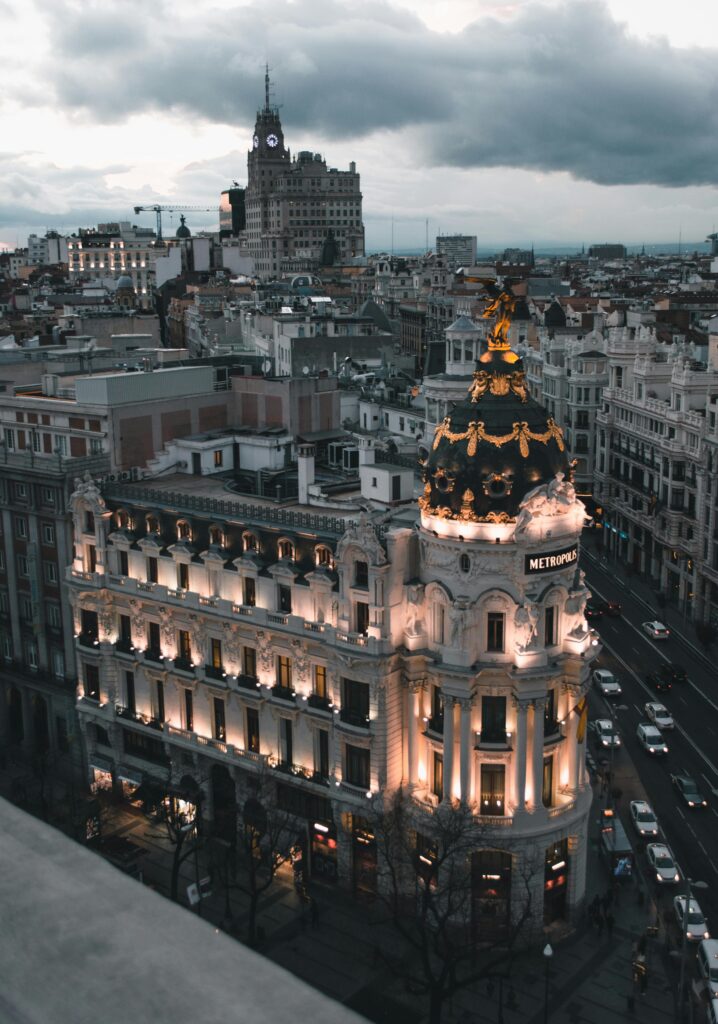
Madrid’s main boulevard, Gran Vía, is a showcase of Art Deco and early 20th-century architecture. Often called the “Spanish Broadway,” it buzzes with theaters, cinemas, rooftop bars, and flagship stores. By day, shop or admire the buildings; by night, the street glows with neon lights, inviting you to experience the city’s nightlife.
Retiro Park (Parque del Buen Retiro)
When you need a break from the urban bustle, Retiro Park is your oasis. Once reserved for royalty, today it’s a public space where Madrileños jog, stroll, and picnic. Rent a rowboat on the central lake, admire the glass-and-iron Palacio de Cristal (Crystal Palace), or wander the shaded paths past fountains and sculptures. On weekends, street performers and art vendors fill the park with energy.
Explore Madrid Hotels

The Golden Triangle of Art
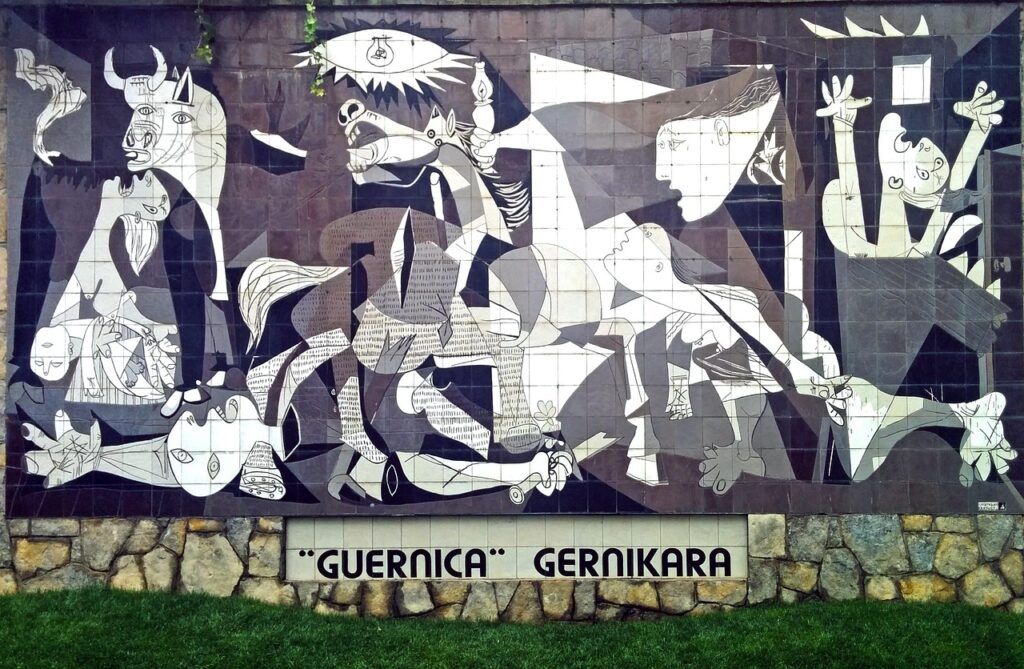
Madrid is an art lover’s paradise, thanks to its trio of world-class museums. The Prado Museum houses masterpieces by Velázquez, Goya, and Bosch. The Reina Sofía Museum is home to Picasso’s searing “Guernica,” as well as works by Dalí and Miró. The Thyssen-Bornemisza Museum bridges the gap with everything from Renaissance to pop art. Together, these institutions form the Golden Triangle of Art—a must for any culture enthusiast.
Culinary Madrid: What (and Where) to Eat
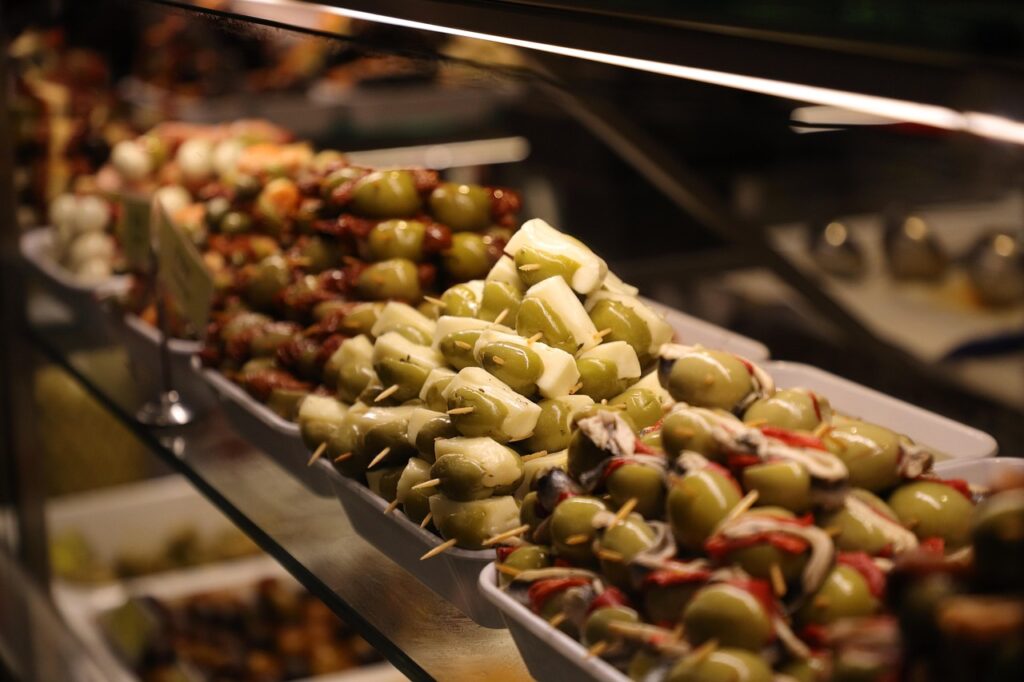
Tapas Culture – One of the joys of Madrid is its dining style: tapas. Instead of one big meal, you’ll often hop between bars, sampling small plates while sipping beer, vermouth, or wine. For an iconic experience, visit Mercado de San Miguel near Plaza Mayor. This glass-and-iron market is packed with stalls serving everything from Iberian ham to oysters, olives, and churros.
In the La Latina neighborhood, Calle de la Cava Baja is legendary for tapas-hopping. Bars spill onto the street, and each offers a specialty—patatas bravas in one, croquettes in another, tortilla española in the next.
Classic Dishes to Try
Cocido Madrileño: A hearty chickpea stew with meats and vegetables, traditionally served in stages. Perfect in winter.
Bocadillo de Calamares: Crispy fried squid stuffed into crusty bread, usually enjoyed near Plaza Mayor.
Churros con Chocolate: Golden fried dough dipped in thick, hot chocolate. Best at Chocolatería San Ginés, open since 1894.+
Huevos Rotos: Fried eggs over potatoes and ham—simple, indulgent, and delicious.
Modern Dining & Rooftops – Madrid’s food scene also embraces innovation. Book a table at DiverXO, the city’s three-Michelin-star restaurant, for avant-garde cuisine. For something more casual but still stylish, explore the city’s rooftop terraces. The Círculo de Bellas Artes offers one of the best views over Madrid’s rooftops, especially at sunset with a cocktail in hand.
NeighborHOODS Worth Exploring
Malasaña: Youthful, creative, and buzzing with nightlife. Expect vintage shops, quirky cafés, and vibrant street art.
Chueca: Known for its LGBTQ+ friendly atmosphere, chic boutiques, and stylish bars. It’s one of Madrid’s trendiest areas.
Lavapiés: Multicultural and edgy, with international eateries, art galleries, and a strong bohemianspirit.
Salamanca: Upscale and elegant, Salamanca is where you’ll find luxury shopping along Calle de Serrano and gourmet restaurants.
Day Trips from Madrid
Toledo– Once the capital of Spain, Toledo is a UNESCO World Heritage Site that feels like an open-air museum. Its narrow medieval streets showcase Christian, Muslim, and Jewish influences. Highlights include the Gothic cathedral, the Alcázar fortress, and El Greco’s masterpiece “The Burial of the Count of Orgaz.”
El Escorial -Northwest of Madrid, the Royal Monastery of San Lorenzo de El Escorial is an enormous palace-monastery complex built in the 16th century. It houses a basilica, royal tombs, and a vast library. The austere architecture reflects King Philip II’s vision of power and faith.
Ávila – Surrounded by perfectly preserved medieval walls, Ávila is another UNESCO site worth visiting. Walk along the ramparts for sweeping views, and step inside the Gothic cathedral. The town is also associated with St. Teresa of Ávila, whose legacy can be explored in local convents
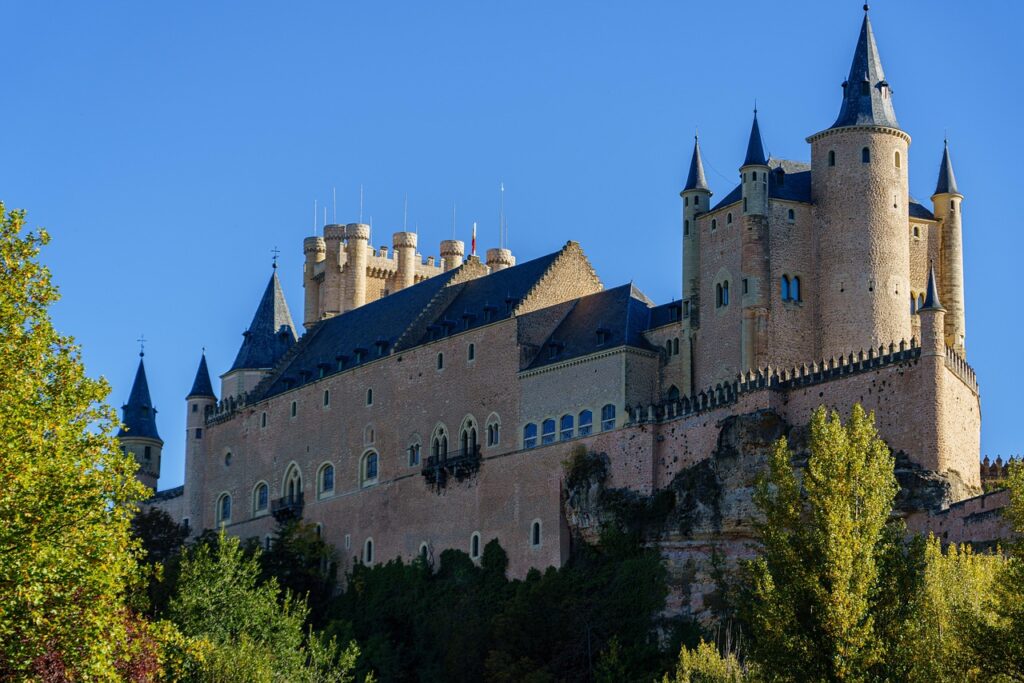
Segovia – Segovia is famed for its Roman aqueduct, a marvel of engineering that still towers over the city. The fairy-tale Alcázar castle is said to have inspired Walt Disney’s Cinderella Castle. Don’t leave without tasting cochinillo asado (roast suckling pig), the city’s culinary specialty.
Aranjuez – Known for its Royal Palace and stunning gardens, Aranjuez was a spring retreat for Spanish royalty. In May, the strawberry train (Tren de la Fresa) runs between Madrid and Aranjuez, serving strawberries to passengers along the way.
Explore Madrid Hotels
Practical Tips for Travelers
Getting Around: Madrid’s metro is fast, clean, and extensive. The city center is walkable, and taxis or rideshares are widely available.
Best Time to Visit: Spring (April–June) and autumn (September–October) offer pleasant weather and lively festivals. Summers are hot but quieter, while winters are mild compared to northern Europe.
Language: Spanish is the official language. While many people in tourism speak English, learning basic phrases like “gracias” (thank you) and “por favor” (please) goes a long way.
Safety: Madrid is generally very safe, but like any big city, watch your belongings in crowded areas.
Madrid isn’t just a stop on a Spanish itinerary—it’s a destination that leaves its mark. From world-class art and regal architecture to tapas bars and leafy parks, the city offers something for every traveler. Add in the ease of day trips to Toledo, Segovia, and beyond, and you have a travel experience that’s both vibrant and enriching. Energetic yet laid-back, regal yet approachable, Madrid invites you not just to visit, but to savor life—al estilo madrileño (the Madrid way).
Craving more wanderlust? Don’t miss our Barcelona post where we uncovered even more hidden gems!