Iceland: Land of Fire, Ice, and Unforgettable Adventure
Iceland—just the name evokes images of vast glaciers, bubbling hot springs, and the flickering glow of the Northern Lights. Tucked away in the North Atlantic Ocean, this island nation is a geological wonderland where fire and ice coexist in spectacular harmony. Whether you’re an adventure junkie, nature enthusiast, or a cultural explorer, Iceland offers an experience that feels like stepping onto another planet.
Reykjavík – A Quirky Capital
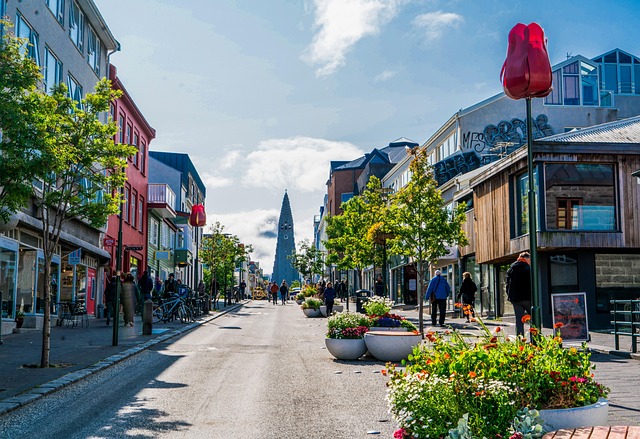
Reykjavík is the world’s northernmost capital. It’s a city with a small-town heart, full of charm, colorful houses, street art, and warm, welcoming people. Despite its modest size, Reykjavík is culturally rich and buzzing with energy.
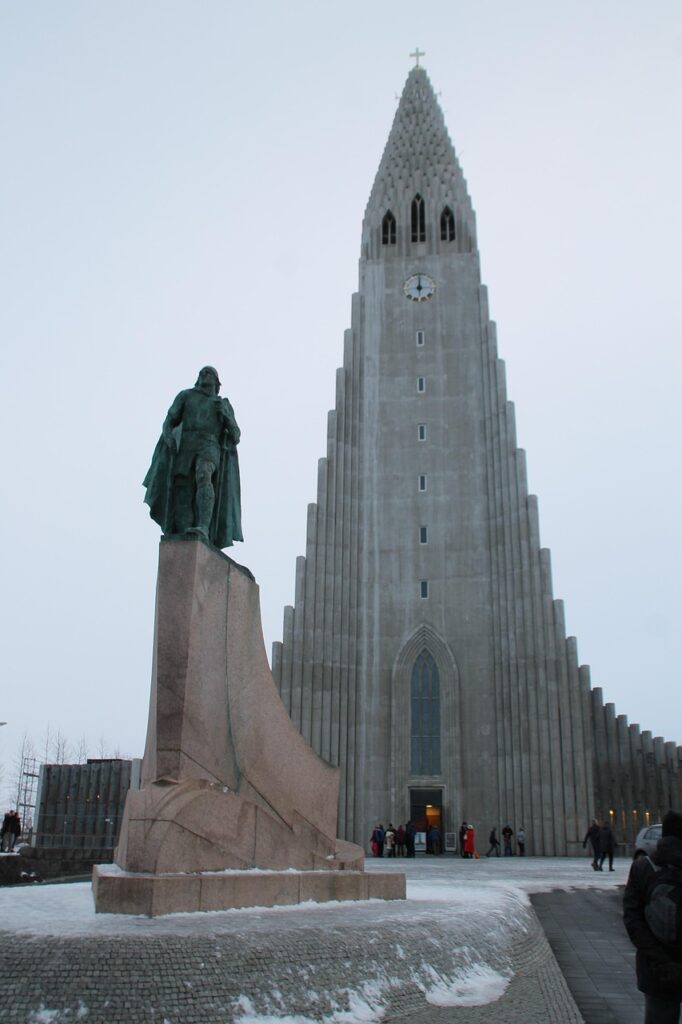
Laugavegur is the city’s main shopping street, stopping in cozy cafés, art galleries, and bookshops. Don’t miss Hallgrímskirkja, the towering concrete church that resembles a rocket ship. From the top, you’ll get panoramic views of the colorful rooftops and the surrounding mountains.
In the evening, relax at Sky Lagoon, a luxurious new geothermal spa located on the edge of the city. Watching the sunset from a warm infinity pool overlooking the Atlantic Ocean is a perfect introduction to Iceland’s unique blend of nature and comfort.
The Golden Circle – A Geological Wonderland
A trip to Iceland wouldn’t be complete without experiencing the Golden Circle, a popular route covering three major sites: Þingvellir National Park, Geysir geothermal area, and Gullfoss waterfall.
At Þingvellir, located between two tectonic plates—the North American and Eurasian—which slowly drift apart each year. It’s also the site of the world’s first parliament, established in 930 AD, making it a historical and geological treasure.
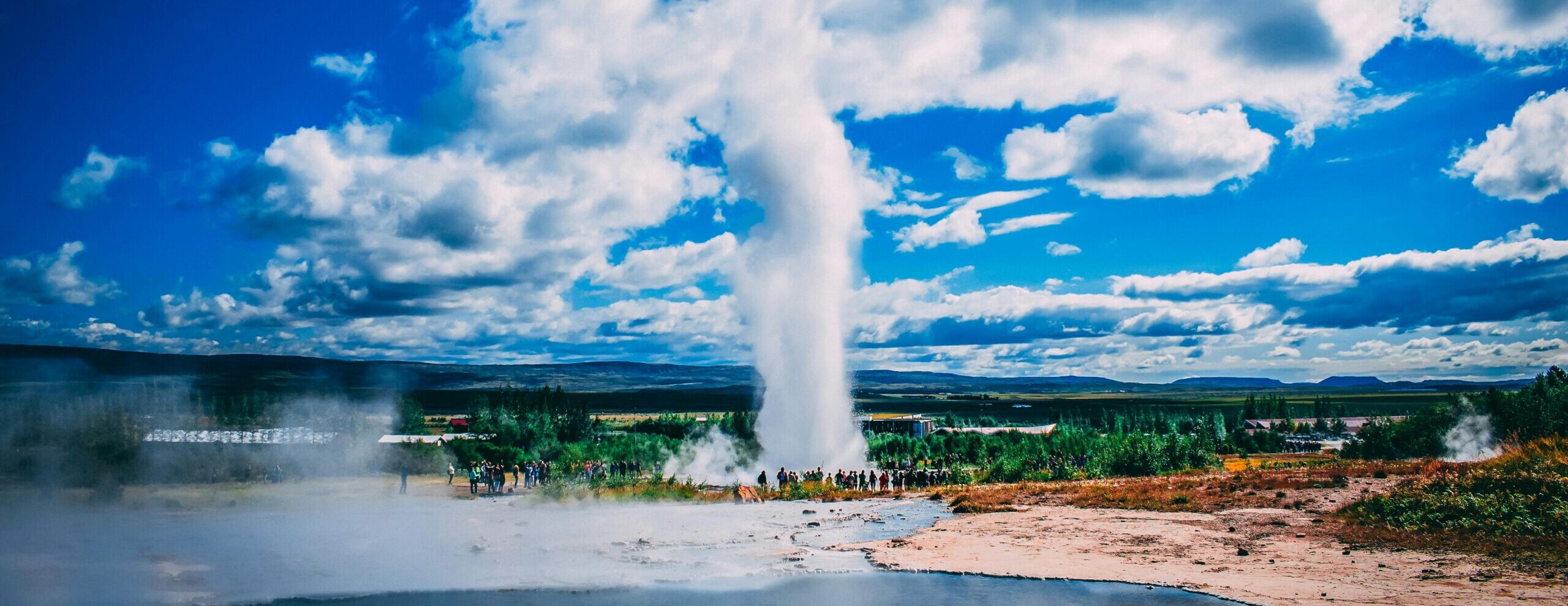
Next, try the Geysir area, home to the original geyser from which all others get their name. While Geysir itself is mostly dormant, nearby Strokkur erupts every 5–10 minutes, sending boiling water skyward.
Gullfoss, or the “Golden Falls,” was the highlight. This powerful two-tiered waterfall thundered into a misty canyon, throwing up rainbows and soaking everyone in its path. It’s one of the most awe-inspiring natural sights I’ve ever seen.
Soaking in the Blue Lagoon
After the Golden Circle, head south toward one of Iceland’s most iconic attractions: the Blue Lagoon. Located near the town of Grindavík and set in a lava field, the milky-blue waters of this geothermal spa feel as surreal as they look.
Yes, it’s touristy. Yes, it’s a bit pricey. But floating in that steamy, mineral-rich water, with silica mud on my face and a drink in hand, was a truly magical experience. Pro tip: go early in the morning or late in the evening for fewer crowds and dramatic lighting.
The South Coast – Waterfalls, Glaciers & Black Sand Beaches
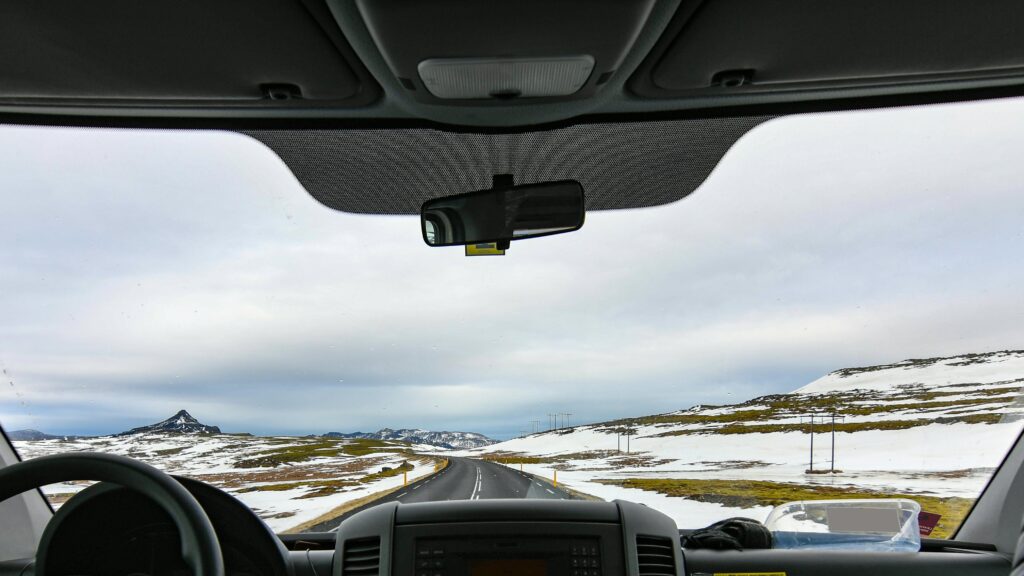
The southern coast of Iceland is like driving through a fantasy novel. Consider renting a car and take off down Route 1, stopping wherever the scenery demands—which was basically everywhere.
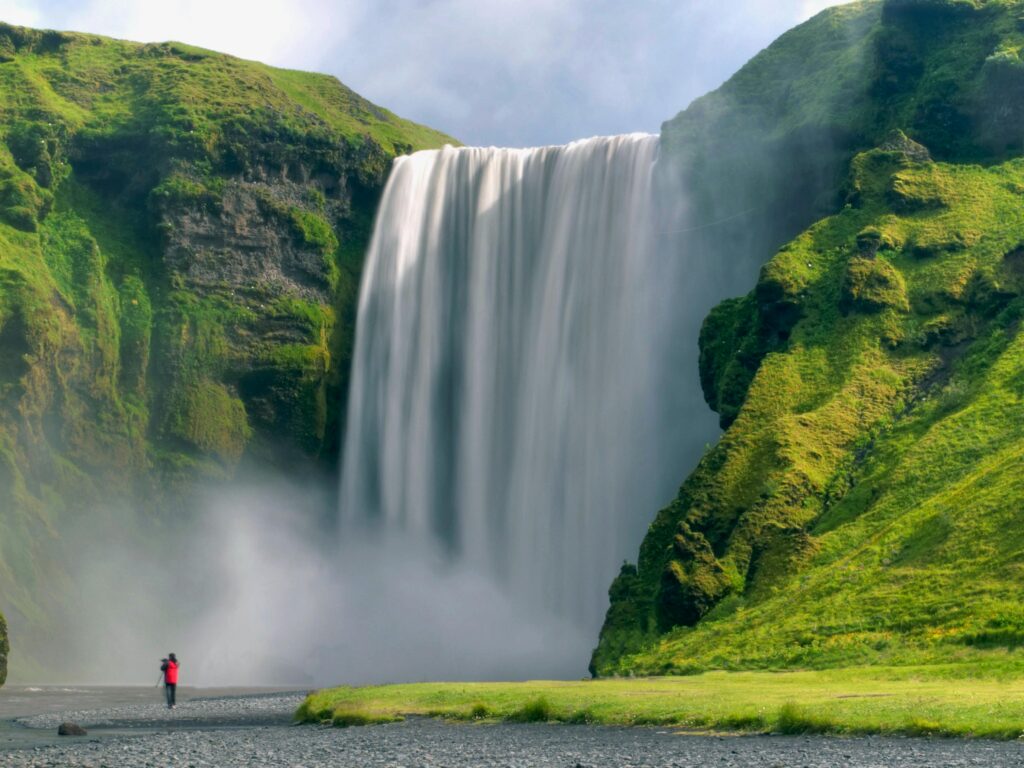
First stops should include the iconic waterfalls Seljalandsfoss and Skógafoss. At Seljalandsfoss, I walked behind the curtain of water and emerged soaked but thrilled. Skógafoss is wider and even more powerful, and if you’re lucky, you’ll see a double rainbow in its mist.
Then Sólheimajökull, a glacier tongue extending from the larger Mýrdalsjökull ice cap. I joined a guided glacier hike, donned crampons, and walked across ancient blue ice. It’s both humbling and exhilarating to stand on a living glacier, knowing it’s slowly retreating each year due to climate change.
At Reynisfjara, the famous black sand beach near Vík, stand in awe of the basalt columns and sea stacks rising dramatically from the North Atlantic. The waves here are no joke—wild and unpredictable—so don’t get too close. Still, the moody, stark beauty of this place is unforgettable.
Glacier Lagoon & Diamond Beach
Further east, is one of the most breathtaking places in Iceland: Jökulsárlón Glacier Lagoon. Icebergs of all shapes and sizes floated peacefully in the lagoon, breaking off from Breiðamerkurjökull glacier. You can take an amphibian boat tour, cruising among the icebergs, watching seals bobbing through the icy water.
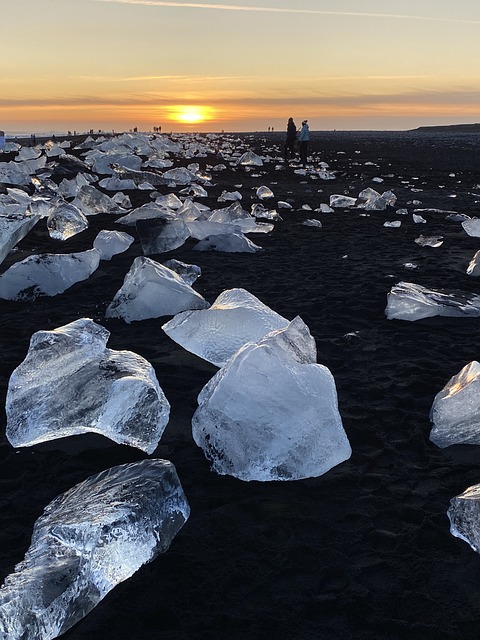
Just across the road is Diamond Beach, where ice chunks wash ashore on the black sand, glistening like gemstones in the sun. Arriving at sunset the contrast between the glittering ice and the inky shore creates a photographer’s dream.
The Eastfjords – Iceland’s Hidden Gem
While most travelers stick to the popular south and west, the Eastfjords offer tranquility, dramatic coastlines, and charming fishing villages without the crowds. Consider Seyðisfjörður, a picture-perfect town with rainbow-colored streets and artist-run cafés.
Driving through this region is both thrilling and peaceful, with winding roads hugging steep cliffs, waterfalls tumbling beside the highway, and reindeer grazing in the meadows. It feels like discovering a secret side of Iceland.
Northern Lights in the North
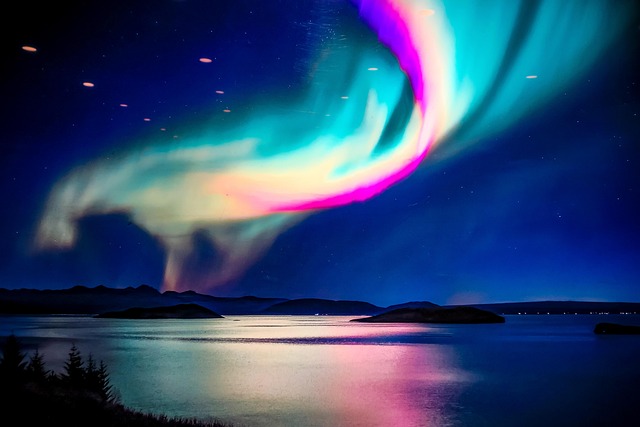
One of your goals in visiting Iceland should include the aurora borealis, and the northern town of Akureyri—known as the “Capital of the North”—provided the perfect opportunity. No photo can truly do it justice—you simply have to see it for yourself.
📅 Best Months to See the Northern Lights
| Month | Visibility Potential | Notes |
| September | Good | Warmer nights, fewer tourists |
| October | Very Good | Increasing darkness, crisp skies |
| November–February | Excellent | Peak aurora season, coldest weather |
| March | Very Good | Still dark with clear skies |
| April–August | Low/None | Too much daylight (Midnight Sun) |
Food, Culture & Local Life
Icelandic cuisine may surprise you, including delicious meals of lamb stew, plokkfiskur (a creamy fish mash), and surprisingly good hot dogs (try one from Bæjarins Beztu in Reykjavík).
What stands out even more is the Icelandic spirit. The people are warm, witty, and fiercely proud of their land. Their deep connection to nature is inspiring.
Tips for Traveling in Iceland
- Rent a car: To truly explore Iceland’s raw beauty, you need your own wheels. 4×4 is recommended for winter or highland roads.
- Pack for all seasons: Weather changes rapidly—sun, rain, and snow can all happen in a single hour.
- Budget wisely: Iceland isn’t cheap, but camping, grocery store meals, and public hot springs can help stretch your budget.
- Respect nature: Iceland’s landscapes are delicate. Stay on marked paths, never stack rocks, and don’t touch the moss.
- Travel slowly: Don’t try to cram everything in. Choose a few regions and soak them in.
Here is a brief Travel Guide to Iceland Video from Expedia.
Iceland is not just a destination—it’s an experience. It challenges your senses, slows your pace, and leaves you in awe of Earth’s raw power and beauty. Whether you’re chasing waterfalls, watching glaciers melt into lagoons, or staring at the stars waiting for the northern lights to appear, Iceland will etch itself into your memory.
So pack your thermal layers, grab your camera, and head north. Iceland is waiting— it’s unlike anywhere else on Earth.