
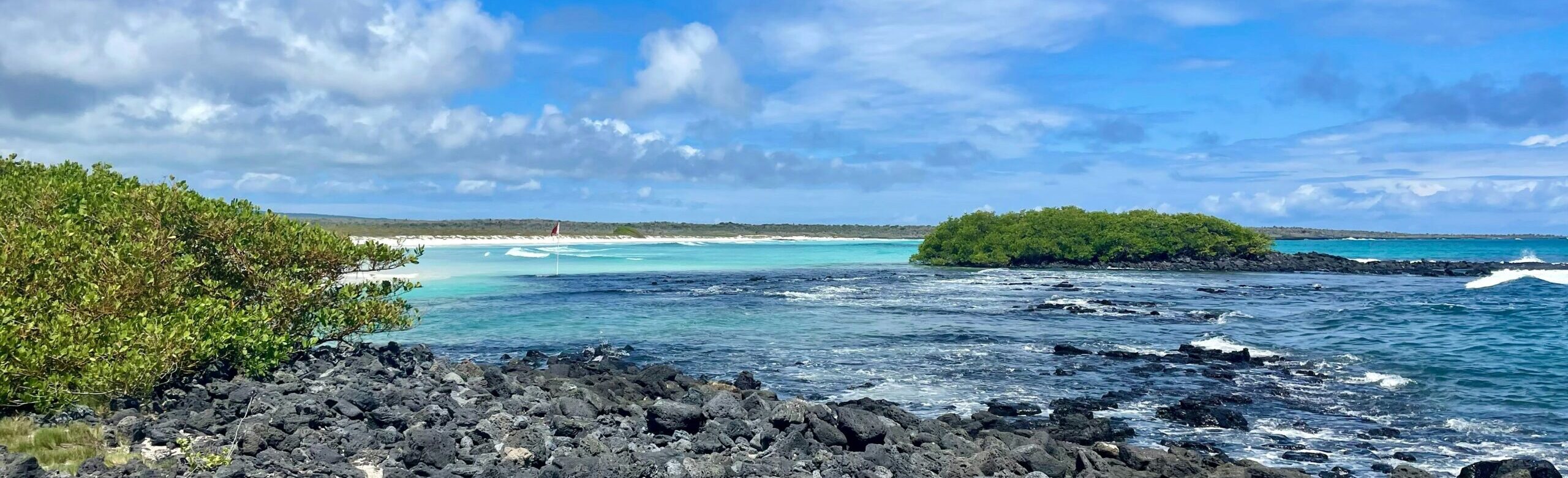
A Destination Unlike Any Other
The Galápagos Islands, located roughly 600 miles off the coast of Ecuador, are one of the world’s most extraordinary travel destinations. This volcanic archipelago is home to species found nowhere else on Earth and offers visitors an up-close look at a remarkably preserved ecosystem.
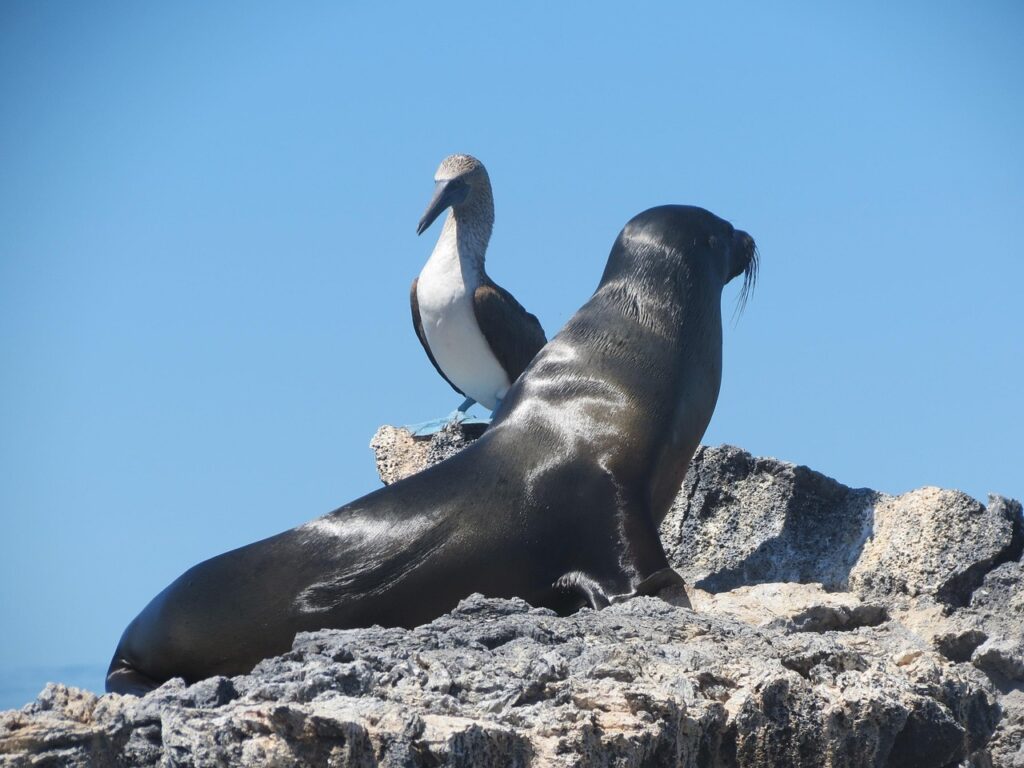
From giant tortoises to marine iguanas and blue-footed boobies, the islands offer a unique opportunity to witness wildlife that shows little to no fear of humans. Whether on land or underwater, the Galápagos deliver a nature experience that feels untouched by time.
Choosing Between a Cruise and a Land-Based Trip
Travelers exploring the Galápagos have two main options: a cruise-based itinerary or a land-based island-hopping experience. Each offers distinct advantages depending on travel style and budget.
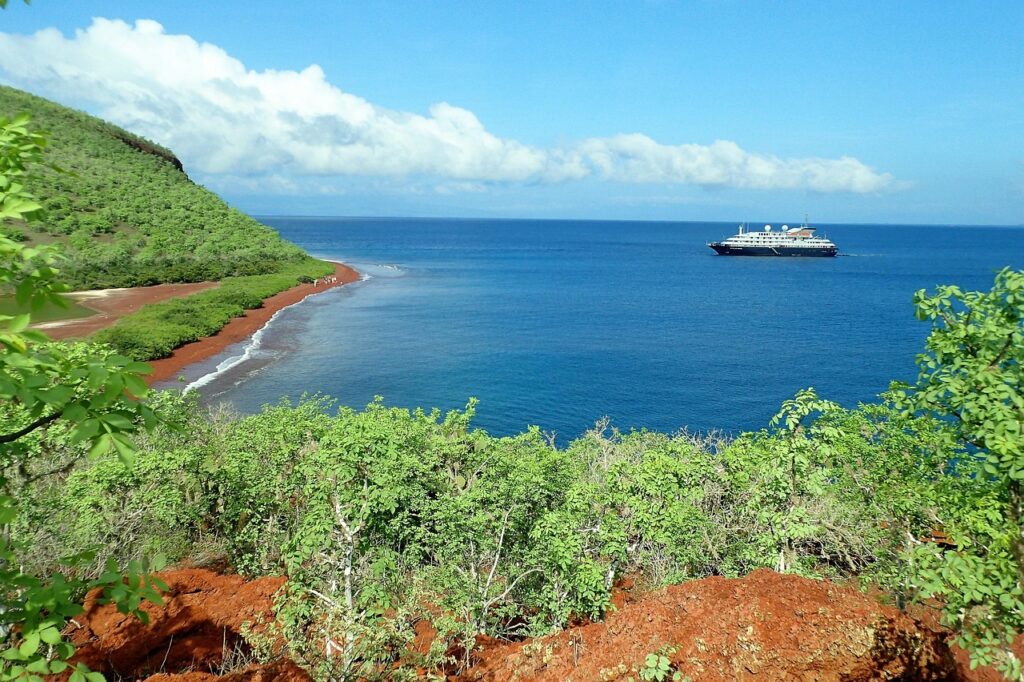
Cruises typically involve small vessels—often with no more than 16 passengers—that travel between islands overnight. These itineraries offer access to remote locations that day tours cannot reach and include all meals, guides, and daily excursions. This is the preferred option for those seeking a comprehensive wildlife experience.
Land-based travel allows visitors to stay on inhabited islands such as Santa Cruz, San Cristóbal, or Isabela, with accommodations ranging from basic hostels to boutique hotels. From these hubs, day tours can be arranged to nearby islands or snorkeling sites. This approach offers more flexibility and is often more budget-friendly.
Island Highlights
Each island in the Galápagos offers its own distinctive landscapes and wildlife. Santa Cruz is home to the Charles Darwin Research Station and several highland reserves where giant tortoises roam freely. The nearby Tortuga Bay is known for its pristine beaches and abundant marine life.
Isabela Island, the largest in the archipelago, features dramatic volcanic scenery and remote beaches. It is a prime location for snorkeling at sites like Los Tuneles and for hiking the massive Sierra Negra volcano.
San Cristóbal is known for its charismatic sea lions and scenic coastal walks. Kicker Rock, just offshore, offers some of the best snorkeling and diving in the region, with frequent sightings of reef sharks, rays, and turtles.
Cruise passengers may also visit remote islands like Española or Genovesa, which are home to large colonies of seabirds, including waved albatrosses and frigatebirds.
Explore Galapagos Hotels

Wildlife Encounters
The Galápagos Islands are often referred to as a living laboratory of evolution, and for good reason. Visitors can observe species that exist nowhere else, many of which evolved in complete isolation.
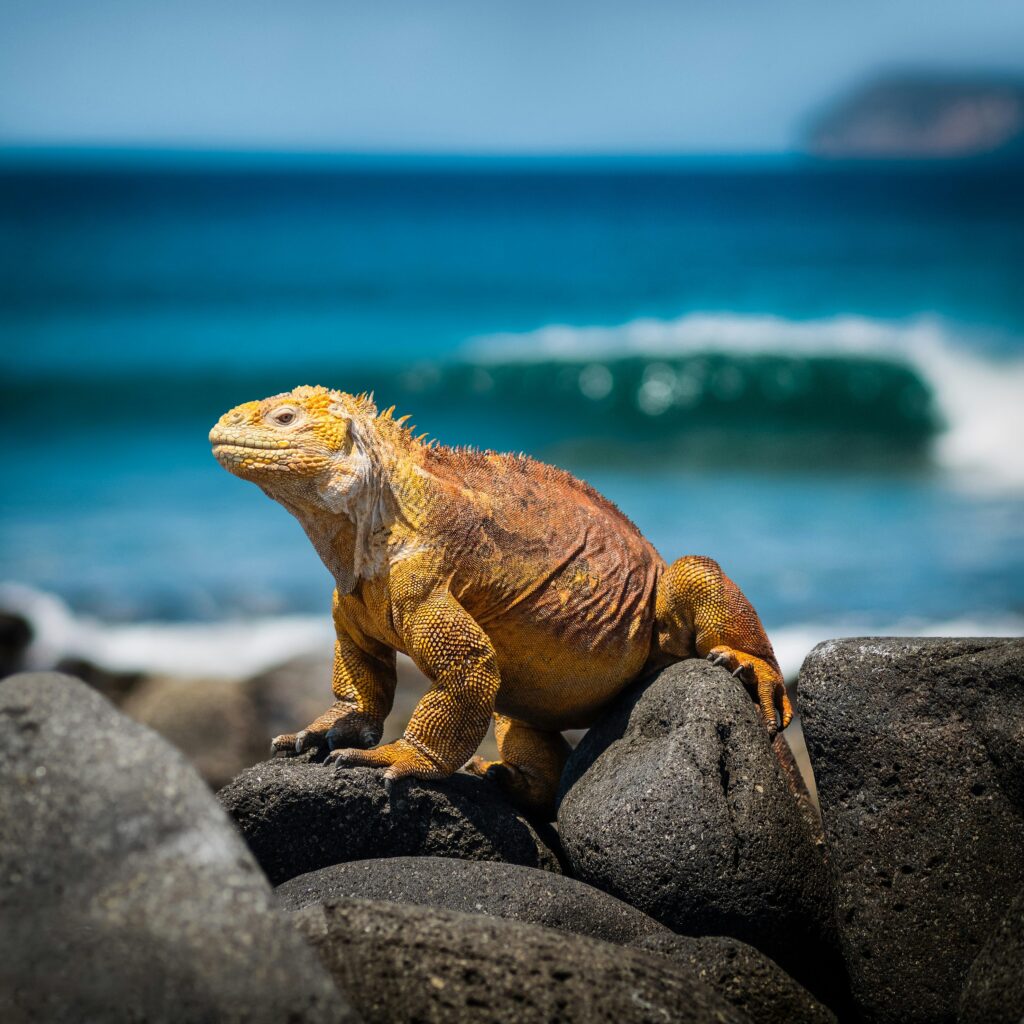
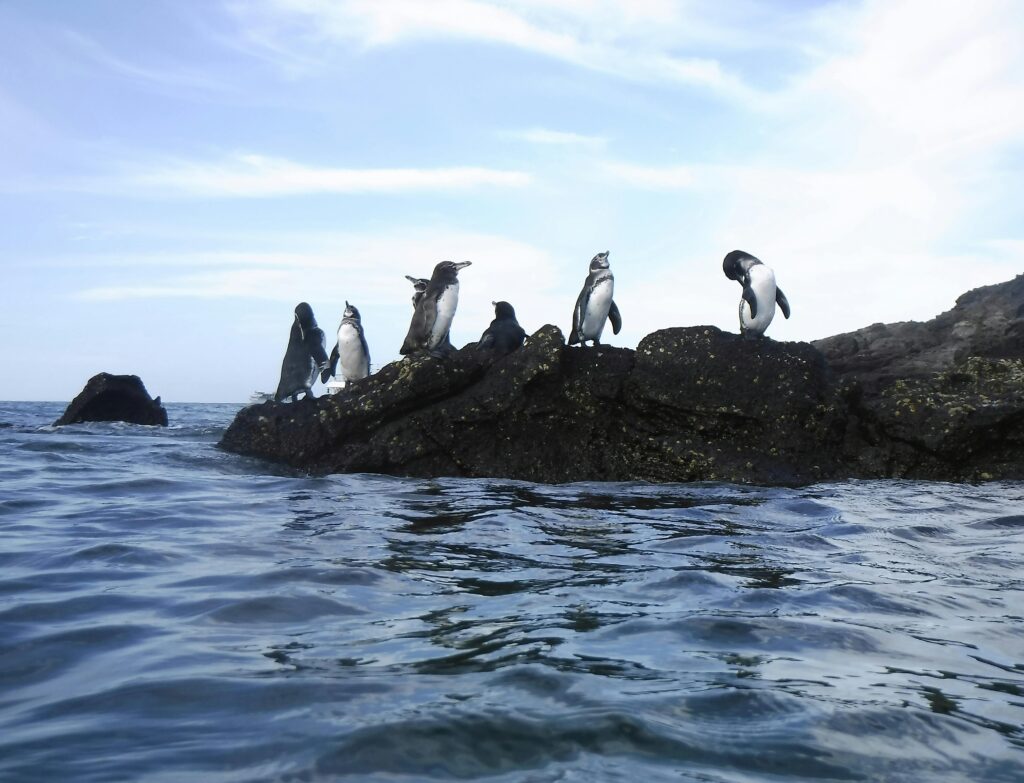
Among the most iconic animals are the Galápagos giant tortoise, the marine iguana—the only sea-going lizard on the planet—and the blue-footed booby with its comical mating dance. Frigatebirds with their inflated red throat pouches, Galápagos penguins, and flightless cormorants are also frequent sights.
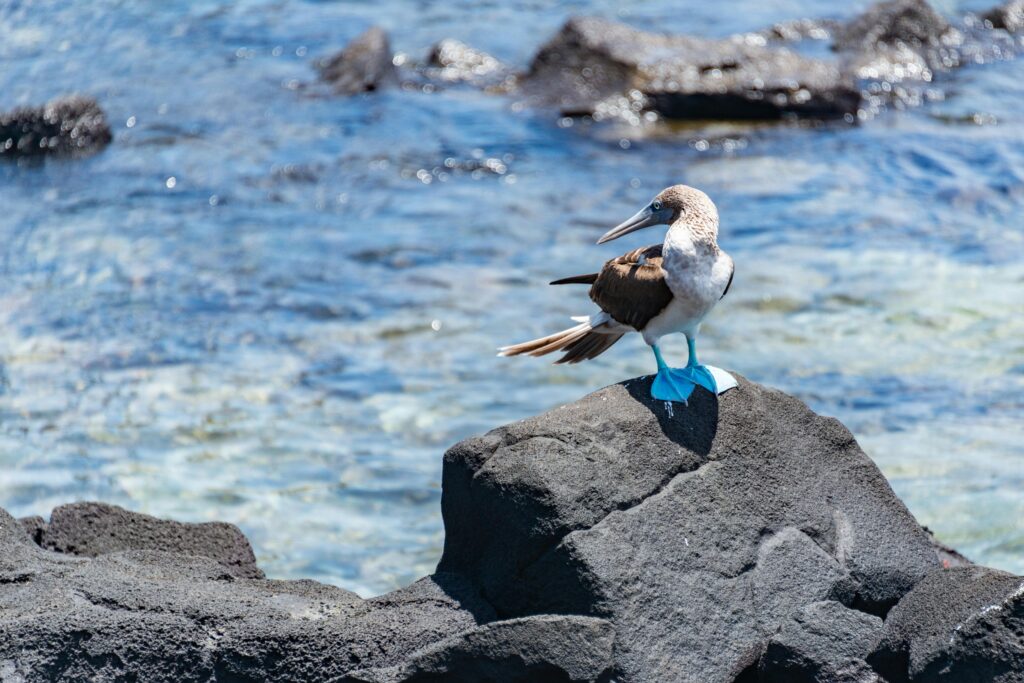
One of the most memorable aspects of a visit is how approachable the animals are. Because they have evolved without human predators, many show little fear, allowing for remarkably close encounters in their natural habitat.
When to Visit the Galápagos
The Galápagos can be visited year-round, but different seasons offer varying weather and wildlife experiences.
From December to May, the islands experience a warm and wet season. This period brings sunny days, calm seas, and warmer ocean temperatures—ideal for snorkeling and swimming. It’s also breeding season for many species, including marine iguanas and sea turtles.
From June to November, the cooler and drier season takes hold. Nutrient-rich currents attract more marine life, making this a popular time for birdwatching and diving. However, seas may be rougher, and the air temperature is slightly cooler.
April and May are often considered the ideal months to visit, offering a balance of good weather and active wildlife.
Month-by-Month Guide to the Galápagos
January
- Warm, sunny, occasional showers
- Calm seas, great snorkeling
- Wildlife: Green sea turtles nesting, marine iguanas begin nesting, land birds show bright breeding colors
February
- Warm, calm seas, occasional rain
- Great diving visibility
- Wildlife: Penguins on Isabela, flamingos nesting, marine iguanas nesting continues
March
- Hottest month, calm seas, heavy rains possible
- Wildlife: Marine iguanas hatching, frigatebirds display red throat pouches, sea turtles hatching
April
- Warm, calm, but rain easing off
- Wildlife: Waved albatross return to Española, land iguanas nesting, sea turtle hatchlings emerge
May
- Transition month: warm and pleasant, seas start cooling
- Wildlife: Blue-footed boobies begin elaborate courtship dance, waved albatross nesting
June
- Cooler, drier season begins, seas choppier
- Wildlife: Giant tortoises migrate to lowlands, whales and dolphins more frequent, frigatebirds still displaying
July
- Cooler, cloudier, seas rougher
- Wildlife: Blue-footed boobies nesting, flightless cormorants courtship, humpback whales pass through
August
- Cool, windy, nutrient-rich seas = amazing marine life
- Wildlife: Sea lions give birth, penguins very active, giant tortoise eggs laid
September
- Coolest month, rough seas, fewer tourists
- Wildlife: Galápagos penguins, sea lions breeding, albatross chicks hatching on Española
October
- Still cool, drier season, seas start calming
- Wildlife: Blue-footed booby chicks, lava herons nesting, sea lion pups playful
November
- Transition back to warmer season
- Seas calmer, warmer again
- Wildlife: Young sea lion pups curious and active, band-rumped storm petrels nesting
December
- Warm, wetter season starts, seas calm again
- Wildlife: Giant tortoise eggs hatching, green sea turtles begin nesting, albatross leave Española
👉 Best overall months for comfort & calm seas: Dec–May
👉 Best for unique wildlife events: Apr (albatross return), Aug–Sep (sea lion pups, penguins), Jun–Nov (whales/sharks)
👉 Best shoulder seasons (fewer tourists, balanced conditions): May & November
Explore Galapagos Hotels
Travel Essentials and Packing Tips
Visiting the Galápagos requires a bit more preparation than the average beach vacation. Lightweight, quick-drying clothing is recommended, along with sturdy water shoes for rocky terrain and reef-safe sunscreen, which is required to protect marine ecosystems.
A wide-brim hat and a light rain jacket can also be helpful due to the region’s variable climate. Snorkeling gear is usually provided on tours, but travelers may prefer to bring their own mask and snorkel for better comfort and fit.
A dry bag is essential for keeping electronics safe during boat rides, and binoculars can greatly enhance birdwatching opportunities.
Costs and Budget Considerations
While the Galápagos are not a budget destination, costs can vary significantly based on travel style. Land-based trips can often be completed for around $1,500 to $2,500 per person for a week, including accommodations, tours, and domestic flights.
Cruises tend to be more expensive, with mid-range options costing between $3,000 and $5,000, though prices can rise significantly for luxury vessels. Most cruises are all-inclusive, covering meals, guided tours, and lodging.
Additional expenses include a $100 national park entrance fee and a $20 transit card, both payable upon arrival in Ecuador.
Traveling Responsibly
Due to the fragile nature of the Galápagos ecosystem, conservation and sustainability are critical. All visitors are expected to follow strict rules designed to protect the islands and their wildlife.
This includes staying on marked trails, maintaining a respectful distance from animals, avoiding the use of single-use plastics, and not removing any natural materials such as shells or rocks. Only certified naturalist guides are permitted to lead tours in national park areas.
Choosing eco-certified tour operators and accommodations ensures that tourism dollars support local conservation efforts and responsible practices.
A Destination Worth Protecting
The Galápagos Islands offer an experience that goes beyond sightseeing. They provide a rare opportunity to witness the natural world in a state of near perfection. From volcanic landscapes to rare species and pristine beaches, the islands offer a chance to reconnect with the planet in one of its most remarkable forms.
For travelers seeking a meaningful, educational, and unforgettable journey, the Galápagos stand out as one of the world’s premier natural destinations.