
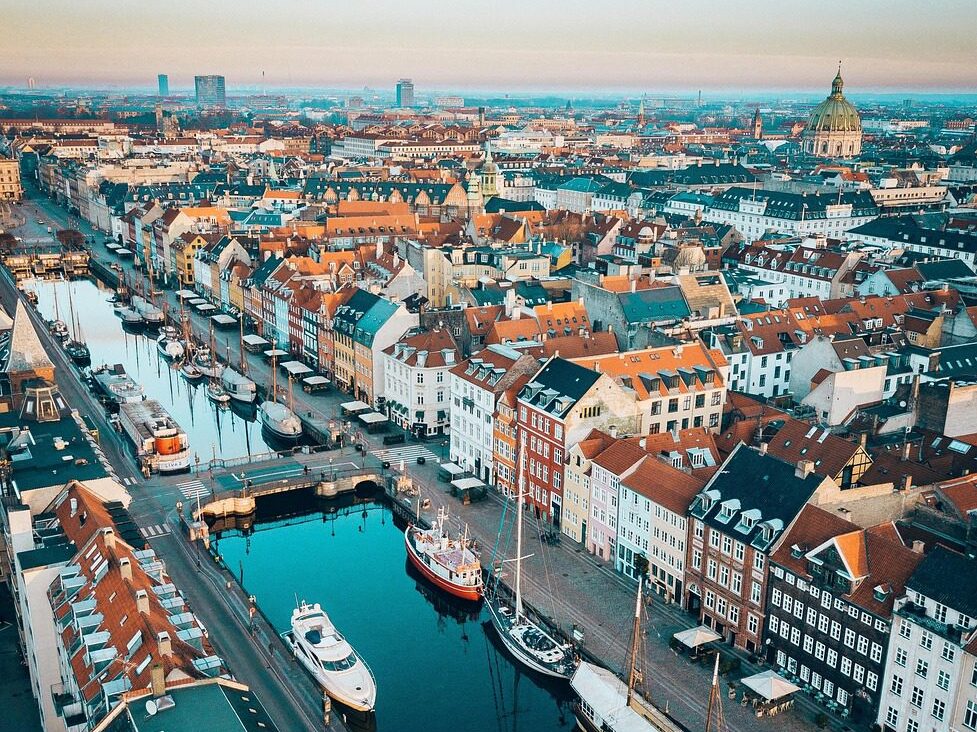
Copenhagen feels like a city designed to be explored slowly. Bicycles outnumber cars on many streets, canals thread the city like blue ribbons, and centuries-old palaces sit beside daring modern architecture. Whether you’re here for Michelin-starred meals, cobblestone history, or candlelit Christmas markets, Copenhagen’s compact scale makes it easy to pack a lot of experiences into a short stay.
Quick Orientation: Neighborhoods & Transport
The city center (Indre By) is walkable and connected by a reliable Metro and regional trains. Key neighborhoods to know include:
- Nyhavn – harbor cafés and canal tours
- Christianshavn – canals and modern architecture
- Frederiksstaden – Amalienborg Palace and 18th-century squares
- Vesterbro – creative restaurants, bars, nightlife
Many visitors buy the Copenhagen Card, which bundles attraction entry and public-transport access. With it, you can glide between canals, museums, and neighborhoods stress-free.
Must-See Tourist Sites
Nyhavn
Copenhagen’s most photographed harbor, Nyhavn is lined with colorful 17th- and 18th-century townhouses and bustling cafés. It’s also the departure point for canal tours and glows with fairy lights during winter markets.
Tivoli Gardens
This historic amusement park—opened in 1843—is part playground, part wonderland. Tivoli’s mix of rides, gardens, open-air concerts, and seasonal festivals make it a must-visit for visitors of all ages.
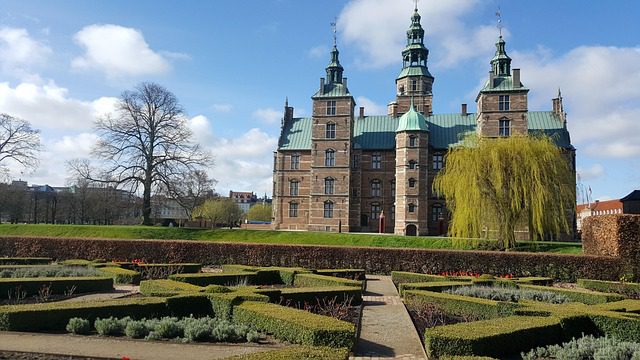
Rosenborg Castle
A Renaissance palace surrounded by the King’s Garden (Kongens Have), Rosenborg houses Denmark’s crown jewels and offers a vivid glimpse into royal life.
Christiansborg Palace & Slotsholmen
Seat of Denmark’s parliament, Christiansborg also contains the Royal Reception Rooms and a tower offering one of the best panoramic city views.
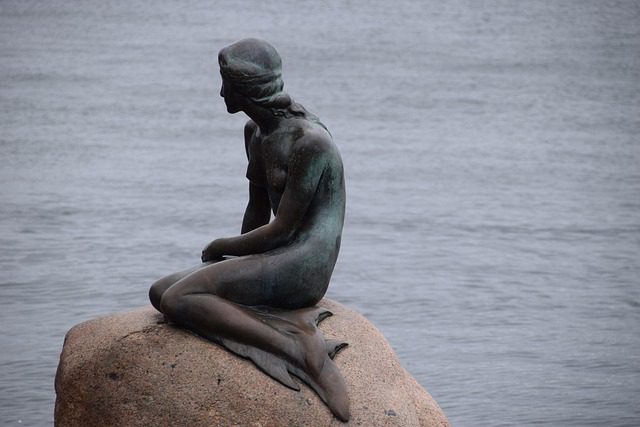
The Little Mermaid
Inspired by Hans Christian Andersen’s beloved tale, this small bronze statue remains one of the city’s most iconic—and photographed—landmarks.
National Museum of Denmark & SMK (National Gallery)
The National Museum traces Danish history from Vikings to modern times, while the SMK exhibits Nordic and European masters.
Christiania
The city’s famous free-spirited enclave, filled with murals, workshops, and an unmistakable bohemian vibe. It’s safe by day and best explored respectfully.
Den Blå Planet (The Blue Planet Aquarium)
A strikingly modern aquarium near the airport—ideal for families or a rainy afternoon
A Bite (or Ten): Dining in Copenhagen
Copenhagen is a world capital of gastronomy, with New Nordic Cuisine setting the tone for sustainable, seasonal dining. The city’s restaurants range from world-renowned tasting menus to cozy street-food stalls.
Fine Dining
Restaurants like Geranium (three Michelin stars) and other high-end venues highlight local ingredients, fermentation, and creativity. Reserve months in advance for top tables.
Modern & Creative
The influence of Noma has rippled through the city—its alumni run some of Copenhagen’s most exciting kitchens. Expect inventive small plates, foraged herbs, and minimal-waste philosophy.
Everyday Danish Eats
Try smørrebrød—open-faced rye-bread sandwiches layered with pickled herring, roast beef, or salmon. Combine that with a craft beer or aquavit for an authentic lunch.
Cafés & Bakeries
Danish pastries live up to the hype. Sample a kanelsnegl (cinnamon swirl) or spandauer with strong filter coffee. Many bakeries are local institutions; Andersen Bakery and Juno the Bakery are cult favorites.
Markets & Street Food
Visit Reffen, a creative street-food market on Refshaleøen built from shipping containers. Or stop by the city’s market halls for global bites and local specialties
A Brief Walk Through History
Copenhagen’s history unfolds like a layered storybook. Founded as a Viking fishing village in the 10th century, it grew into a fortified medieval town and then a Renaissance capital under Christian IV. Fires, wars, and rebuilds gave it the distinct mix of old and new we see today.
Hans Christian Andersen, who lived here for most of his life, drew inspiration from its streets and canals. The fairy-tale charm still lingers—in the old merchant houses of Nyhavn, the narrow lanes of Indre By, and the spires that punctuate the skyline.
Explore Copenhagen Hotels

Things to Do (Beyond the Postcards)
Take a Canal Tour
See Copenhagen from the water. The classic one-hour cruise glides past the Opera House, royal harbor, and The Little Mermaid.
Bike Like a Local
Rent a city bike and join the locals on Copenhagen’s world-famous cycle lanes. Explore Nørrebro’s vibrant murals, Frederiksberg’s parks, or the lakes (Søerne) that curve through the city.
Explore Design & Architecture
Stop at the Designmuseum Danmark for an overview of Danish craftsmanship, then head to Copenhagen Contemporary or the Royal Danish Opera for modern architecture at its best.

Sunset by the Canals
Christianshavn’s bridges are perfect for sunset photos. In summer, locals gather by the water with drinks in hand—effortless hygge.
Join a Food Tour
Guided food walks showcase the city’s culinary innovation, from artisanal chocolates to organic smørrebrød cafés. It’s a delicious crash course in Danish culture.
Explore Copenhagen Hotels
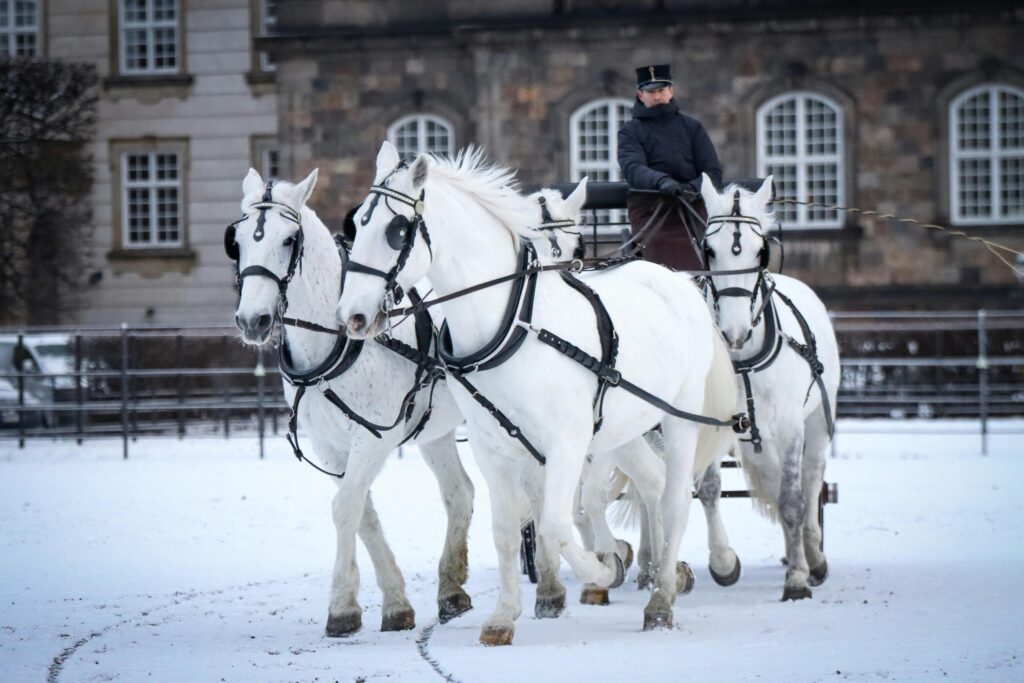
Winter in Copenhagen: A Special Kind of Hygge
Copenhagen in winter is wrapped in hygge—that quintessential Danish coziness. Short days, glowing windows, and steaming mugs of mulled wine turn the cold months into something magical.
Christmas Markets
Starting in mid-November, Nyhavn, Højbro Plads, and Tivoli burst into festive life. Wooden stalls sell crafts, ornaments, and treats like æbleskiver (fluffy pancake balls) and gløgg (mulled wine).
Tivoli’s Winter Wonderland
Tivoli Gardens transforms into a fairy-lit wonderland with Christmas shows, an ice rink, and a small-town feel. Go after dark when lights shimmer off the lake.
Seasonal Comfort Foods
Winter menus feature hearty dishes—slow-roasted pork, cured fish, pickled vegetables, and root-vegetable soups. Pair your meal with Danish beer or gløgg to warm up after sightseeing.
Ice Skating & Cozy Cafés
Temporary rinks appear in central squares like Frederiksberg Have. After skating, slip into a café for a long chat over coffee and pastry while snowflakes swirl outside.
Cultural Escapes
Museums stay open year-round. Spend an afternoon at the National Museum, or catch a performance at the Royal Danish Theatre. Winter is also prime time for concerts and exhibitions.
Practical Tips & Timing
When to Go
- Summer (June–August): Long days, outdoor cafés, and lively festivals.
- Autumn (September–October): Fewer tourists and vibrant fall colors.
- Winter (November–February): Christmas markets and authentic hygge charm.
- Spring (March–May): Mild weather and blooming parks.
Getting Around
The Metro runs 24 hours, and buses are frequent. Biking remains the easiest and most fun way to explore. The Copenhagen Card covers transport and many attractions.
Currency & Tipping
Denmark uses the Danish krone (DKK). Credit cards are widely accepted. Tipping isn’t expected, but rounding up a small amount for excellent service is appreciated.
Language
Most Danes speak fluent English, so travelers rarely face a language barrier.
What to Pack
Layered clothing is key. Bring waterproof shoes, a warm coat, and gloves for winter. In summer, pack a light jacket—breezes from the Øresund Strait can be cool even in July.
Events & Happenings Year-Round
Copenhagen Jazz Festival (July)
Ten days of world-class performances in concert halls, parks, and even street corners.
Distortion Festival (June)
A wild city-wide street party blending electronic music, dance, and art installations.
Copenhagen Cooking & Food Festival (August)
A celebration of Nordic flavors—pop-up kitchens, chef demos, and communal dining.
Winter Jazz (February)
Indoor venues come alive with cozy, candlelit performances—perfect for winter visitors.
Christmas at Tivoli (Nov–Dec)
Perhaps the most beloved event, it draws locals and tourists alike into a glowing holiday fairytale.
Sample Two-Day Itinerary
Day 1:
Start with breakfast at Juno the Bakery. Walk through Nyhavn and take a canal tour. Visit Amalienborg Palace to see the changing of the guard, then explore Rosenborg Castle and the King’s Garden. Dinner at a modern bistro in Vesterbro—think seasonal dishes and natural wine.
Day 2:
Rent a bike and head to Christianshavn for the view from the Church of Our Saviour’s spiral tower. Stop at Reffen for street food, then visit the Designmuseum. Spend your evening in Tivoli Gardens, staying for dinner and the nightly light show.
Thoughtful Travel: Embracing the Copenhagen Spirit
Copenhagen is both forward-looking and deeply rooted. Sustainability guides everything from urban design to dining, and locals take pride in balancing innovation with tradition.
You’ll feel it in the city’s rhythm: quiet mornings, midday café breaks, and lively evenings by the canal. Whether you’re sipping hot gløgg in December or biking under a midsummer sun, Copenhagen invites you to slow down, breathe deeply, and discover joy in the simple things.
Copenhagen isn’t just a destination—it’s an atmosphere. It’s the sparkle of Tivoli’s lights, the taste of warm pastries, the hum of bikes at rush hour, and the soft glow of candles in every window.
Visit once, and it’s easy to see why so many travelers fall for Denmark’s capital: a city that feels both intimate and inspiring, where every season brings its own kind of magic.
For more inspiration check out Amsterdam: A Journey Through Canals, Culture, and Charm