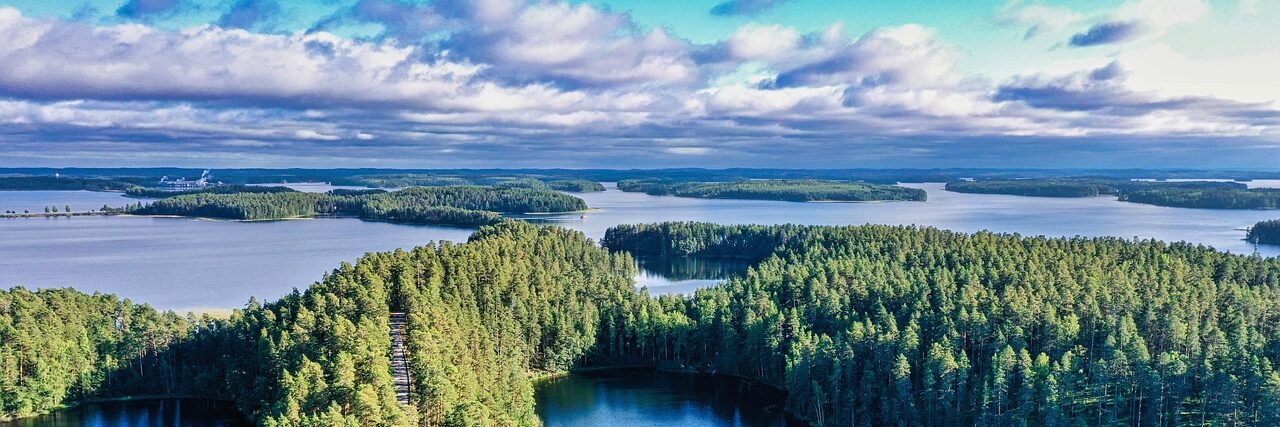
Cool Northern Europe & UK: A Journey Through History, Culture, and Nature
Northern Europe and the UK offer travelers something rare: a mix of ancient history, striking natural landscapes, and modern cultural vibrancy. Whether you’re standing on the windswept cliffs of Scotland, wandering Copenhagen’s colorful waterfront, or exploring Iceland’s surreal volcanic terrain, this region blends old-world charm with contemporary cool. For travelers seeking a destination that feels both rooted in tradition and cutting-edge in lifestyle, this part of the world is a treasure trove.
In this guide, we’ll explore the highlights of Northern Europe and the UK, including iconic sites, lesser-known gems, and insider tips to make your journey unforgettable.
Scandinavia: Nature Meets Design
Norway: Fjords and Fairytales
Norway’s landscapes are the stuff of legend—towering mountains, mirror-like fjords, and tiny red cottages dotting the coast. If you visit, make Bergen your starting point. Its colorful Bryggen Wharf is a UNESCO World Heritage Site and a gateway to the fjords. From there, hop on the Flåm Railway, one of the world’s most scenic train rides, winding past waterfalls and valleys.
Local Tip: Try “brunost,” a caramel-like brown cheese that Norwegians adore. It pairs surprisingly well with strong coffee.
Adventure seekers should head north to Tromsø for Northern Lights in winter or the midnight sun in summer. Hikers won’t want to miss the iconic Preikestolen (Pulpit Rock) above Lysefjord, a dramatic cliff that seems made for Instagram.
Denmark: Hygge and History
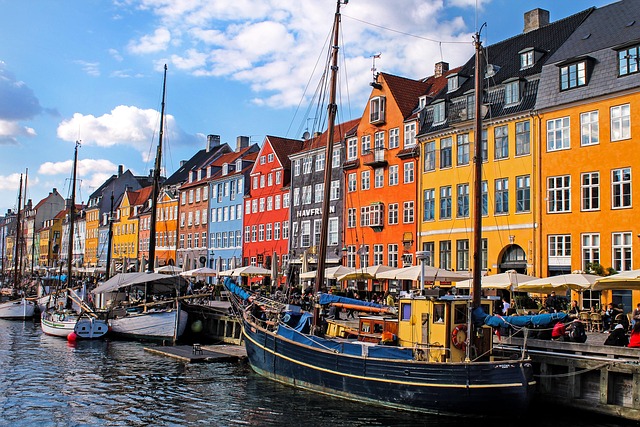
Denmark balances modern design with Viking history. Copenhagen is known for its cycle-friendly streets, Tivoli Gardens, and Nyhavn harbor—lined with pastel buildings and bustling cafes. For something off the tourist path, explore Refshaleøen, a former industrial district now full of food markets and art installations.
Local Tip: Join locals for a “smørrebrød” (open-faced sandwich) at a small café. The toppings range from pickled herring to roast beef with remoulade.
Beyond the capital, the island of Funen offers castles like Egeskov, and Aarhus on Jutland is a vibrant university city blending history with avant-garde architecture.
Explore Denmark Hotels

Sweden: Islands and Innovation
Stockholm, built on 14 islands, is a city where history and modernity coexist. Explore Gamla Stan, the old town with its cobblestone alleys, then ferry out to the Stockholm Archipelago for a quieter side of Sweden.
Culture lovers should visit the Vasa Museum, home to a 17th-century warship salvaged from the sea, and the ABBA Museum for a lighter touch.
Local Tip: Swedes love “fika”—a daily coffee break with pastries, often cinnamon buns. It’s more than caffeine; it’s a cultural ritual of slowing down.
For the outdoors, head north to Lapland, where you can dog-sled under the aurora or stay in the famous Icehotel.
Finland: Forests and Saunas
Finland feels different—more serene, more wooded. Nearly 75% of the country is forest, making it a paradise for nature lovers. Helsinki is a design capital, with cutting-edge architecture and a lively food scene centered on local, seasonal ingredients.
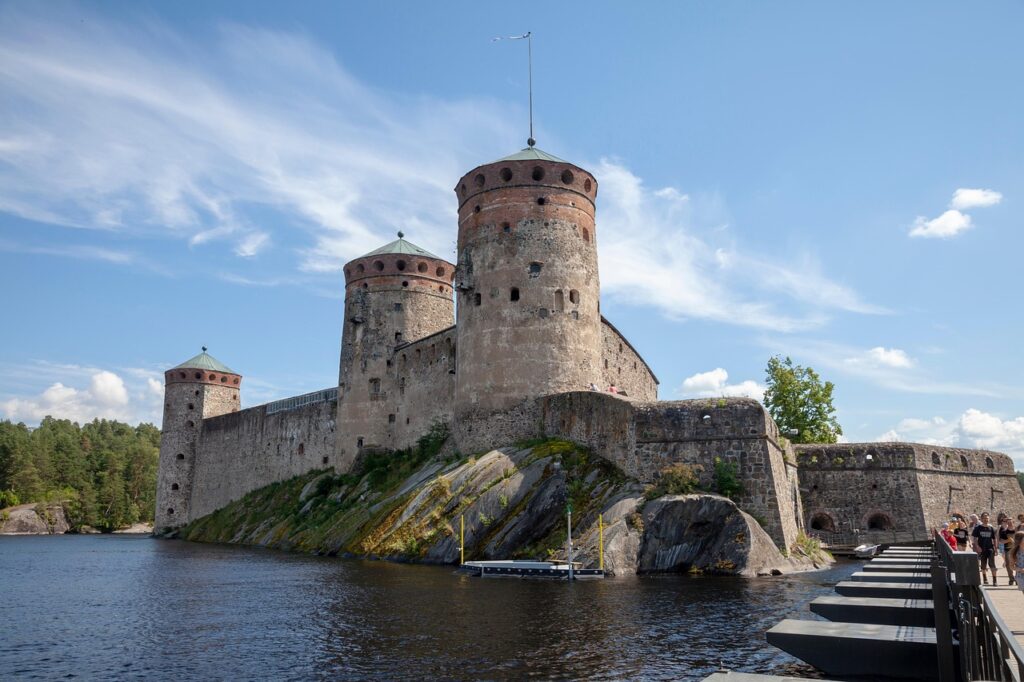
Take a ferry to the Suomenlinna Fortress, built across six islands, or visit the Design District for boutiques and galleries.
Local Tip: Don’t skip a Finnish sauna—it’s an essential experience, and locals often jump straight into a lake or the sea afterwards, even in winter.
In winter, Rovaniemi is marketed as the “home of Santa Claus,” but beyond the kitsch, it’s also the entry to pristine wilderness and the chance to witness the Northern Lights.
Iceland: Fire and Ice
Iceland feels like another planet—volcanoes, glaciers, geysers, and black-sand beaches. The Golden Circle is a popular route that covers Thingvellir National Park, Gullfoss waterfall, and the geysers of Haukadalur.
For something more dramatic, head to the South Coast: Jökulsárlón Glacier Lagoon, the diamond-like ice on Reynisfjara Beach, and waterfalls like Skógafoss.
Local Tip: Iceland is pricey, but you can save by shopping at local grocery stores like Bonus. Also, bring a reusable water bottle—the tap water is some of the purest in the world.
Adventurers might try the Laugavegur Trek, a multi-day hike through colorful rhyolite mountains, hot springs, and lava fields. For more on Iceland check our our article Iceland: Land of Fire, Ice, and Unforgettable Adventure
The United Kingdom: Tradition with a Twist
England: From London to the Lake District
England is a patchwork of experiences. London needs little introduction: Big Ben, the Tower of London, and the modern Shard all coexist with hidden gems like Borough Market and Hampstead Heath.
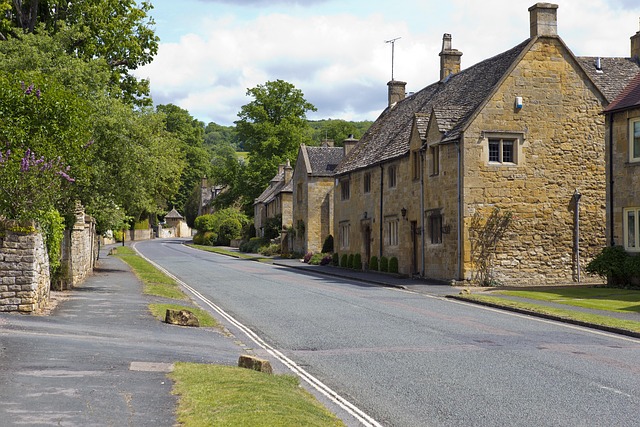
But don’t stop there. The Cotswolds offer postcard villages with honey-colored stone cottages. Bath combines Roman heritage with Georgian elegance. And for nature lovers, the Lake District is a stunning mix of mountains and lakes, perfect for hiking.
Local Tip: Afternoon tea is more than a tourist gimmick—seek out a traditional tea room in a small town for the real deal.
Explore Cotswolds Hotels
Scotland: Highlands and Heritage
Scotland is dramatic in every sense—landscapes, castles, and whisky culture. Edinburgh’s medieval Old Town and Georgian New Town are UNESCO-listed, while its annual Fringe Festival transforms the city into the world’s largest arts event.
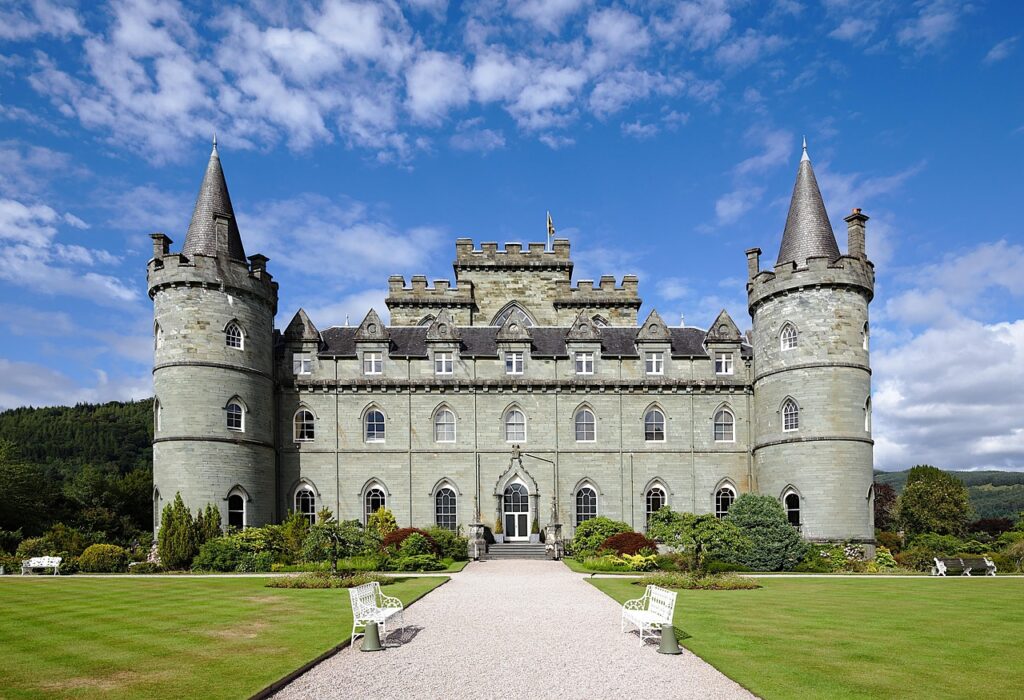
Head north into the Scottish Highlands for rugged scenery—Glencoe, Loch Ness, and the Isle of Skye are must-sees. Whisky lovers will enjoy the Speyside Trail, where distilleries like Glenfiddich and Macallan offer tastings.
Local Tip: Learn a few Scots words—locals appreciate it, and it adds fun to your visit. For example, “wee dram” means a small glass of whisky.
Wales: Castles and Coastlines
Wales is often overlooked, but it’s a gem. It boasts more castles per square mile than anywhere else in Europe. Cardiff Castle and Caernarfon Castle are standouts. For nature, Snowdonia National Park offers hiking and mountain railways, while Pembrokeshire Coast rivals any Mediterranean shoreline.
Local Tip: Try “bara brith,” a traditional fruit bread, with a cup of tea.
The Welsh language is alive and well—don’t be surprised to see bilingual road signs.
Northern Ireland: Giants and Game of Thrones
Northern Ireland combines natural wonders with cultural revival. The Giant’s Causeway, with its hexagonal basalt columns, feels mythical. Fans of HBO’s Game of Thrones will recognize locations like the Dark Hedges.
Belfast has transformed from troubled past to thriving city, with the Titanic Belfast Museum as a highlight.
Local Tip: Pubs here are lively, and many feature live traditional music sessions—no ticket required, just order a pint and soak it in.
Practical Tips for Traveling Northern Europe & UK
- Best Time to Visit: Summer (June–August) offers long days and milder weather. Spring and autumn are less crowded, while winter offers Northern Lights and festive markets.
- Transport: Trains are excellent in the UK and Scandinavia. Budget airlines connect major cities, but ferries (like Denmark–Norway or Stockholm–Helsinki) offer scenic alternatives.
- Money: Scandinavia is largely cashless—cards and mobile payments dominate. In the UK, cash is still common but cards are widely accepted.
- Packing: Bring layers. Weather is famously unpredictable, especially in the UK. A lightweight waterproof jacket is essential.
- Food & Drink: Don’t just eat in tourist zones. Seek out local markets, bakeries, and pubs for authentic experiences. Scandinavian street food markets are especially lively.
Why This Region Feels Special
Traveling through Northern Europe and the UK feels like stepping into both history and the future. You can explore Viking ships in Oslo, medieval castles in Wales, cutting-edge design in Helsinki, or a futuristic geothermal spa in Iceland—all within one trip. The cultures here balance old traditions—saunas, pubs, castles—with modern sensibilities like sustainability, design innovation, and global cuisine.
Whether you’re drawn to the fjords of Norway, the castles of Scotland and Wales, the vibrant cities of London and Copenhagen, or the otherworldly landscapes of Iceland, this region delivers a travel experience that’s as cool—literally and figuratively—as it gets.