
Introduction to Antigua
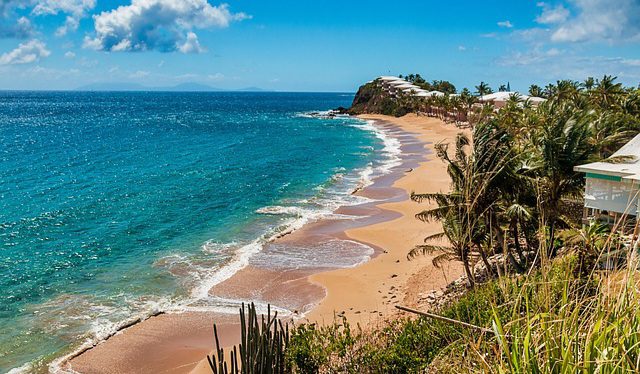
Antigua, one of the twin islands that form the nation of Antigua and Barbuda, is a Caribbean destination celebrated for its striking beaches, layered history, and welcoming culture. Often described as the island of 365 beaches, Antigua offers far more than sun and sand. Consequently, travelers who explore beyond the shoreline quickly discover a destination rich in stories, flavors, and natural beauty.
A Brief History of Antigua
To begin with, Antigua’s history stretches back thousands of years, first shaped by the Arawak and Carib peoples before European contact. In 1632, the British claimed the island, and over time it became a vital naval and economic center in the Caribbean. As a result, sugar plantations dominated the landscape, relying heavily on enslaved African labor, a legacy that still shapes the island’s culture today.

Nelson’s Dockyard and Colonial Landmarks
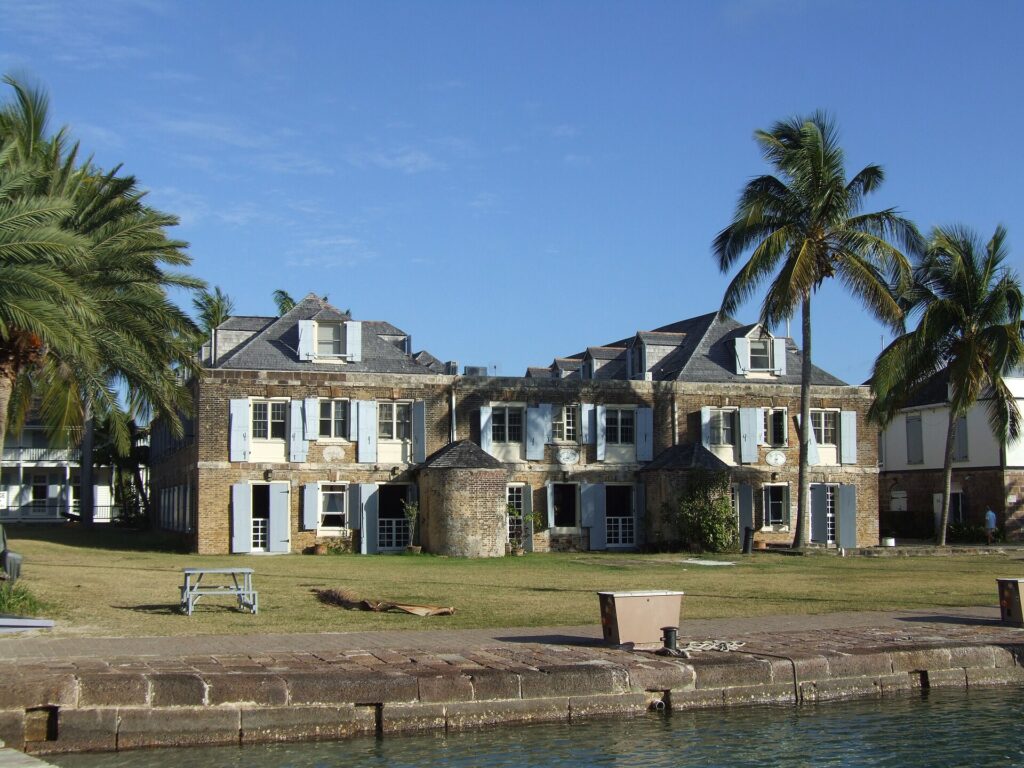
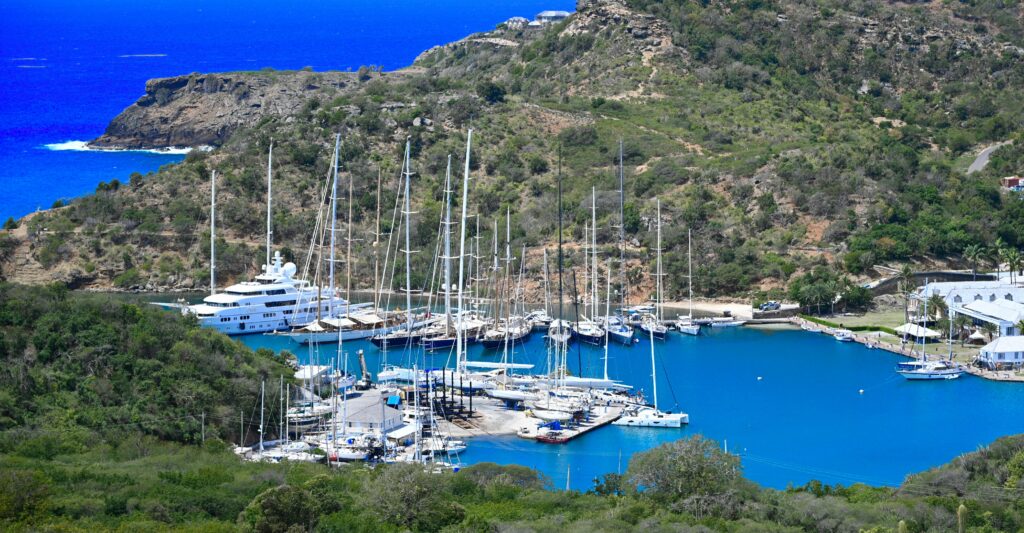
Perhaps the most significant historical site on the island is Nelson’s Dockyard, now a UNESCO World Heritage Site. Not only is it the only continuously operating Georgian dockyard in the world, but it also serves as a living museum of Antigua’s maritime past. Moreover, visitors can explore restored buildings, museums, and viewpoints that overlook English Harbour.
Antigua’s World-Famous Beaches
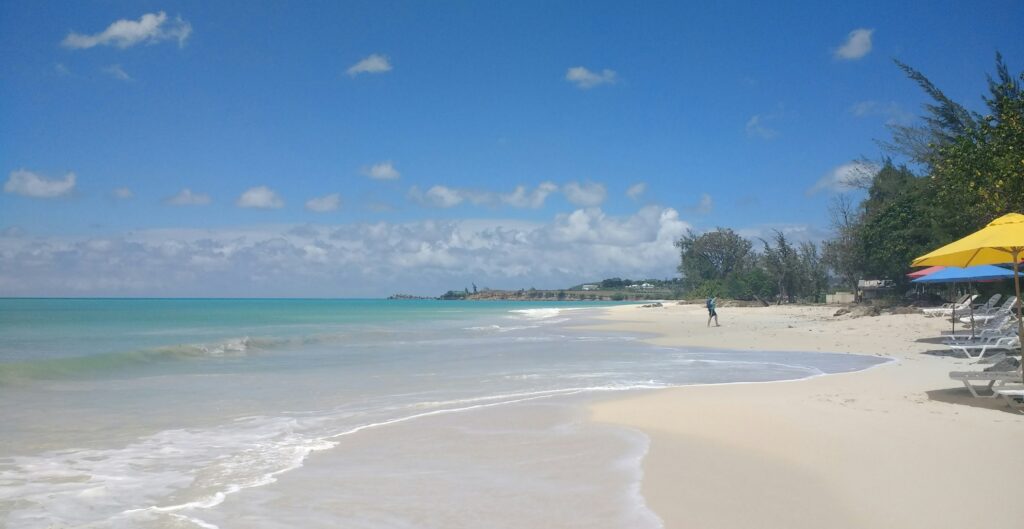
That said, Antigua is best known for its extraordinary beaches. With powdery white sand and crystal-clear waters, beaches such as Dickenson Bay, Half Moon Bay, and Jolly Beach appeal to a wide range of travelers. Consequently, whether you prefer calm swimming waters or dramatic Atlantic waves, Antigua delivers remarkable coastal variety.
Antigua Hotels

Nature and Outdoor Experiences
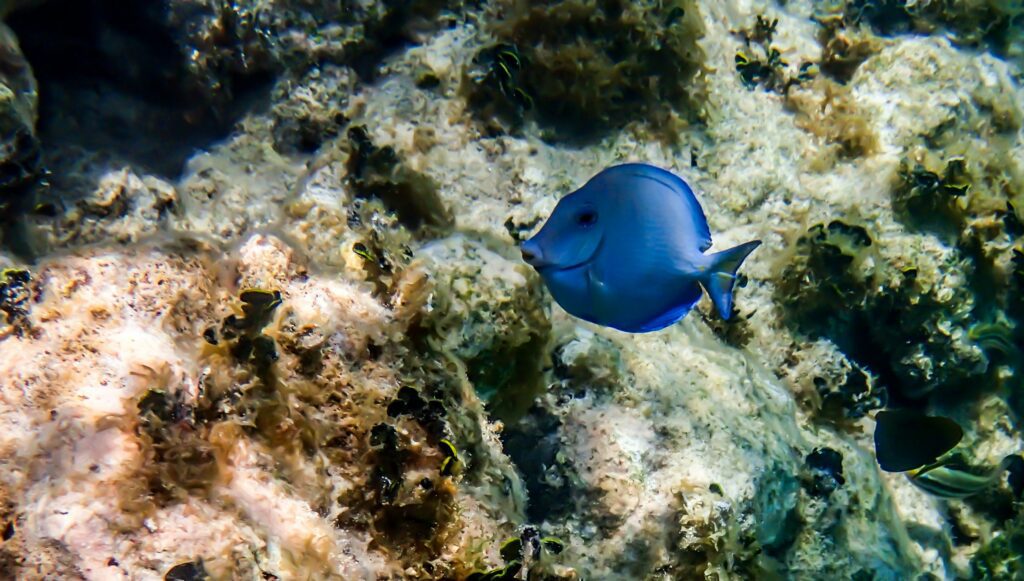
Beyond the beaches, Antigua’s interior reveals rolling hills, dry forests, and scenic trails. For example, hiking to Shirley Heights offers panoramic views of English Harbour and the coastline. Additionally, protected areas like the North Sound Marine Park highlight Antigua’s commitment to preserving marine ecosystems.
Antiguan Food and Local Cuisine
Equally important to the Antiguan experience is its food culture. Antiguan cuisine blends African, British, and Caribbean influences, resulting in flavorful, comforting dishes. One of the national favorites is fungi and pepperpot, while fresh seafood such as snapper and lobster features prominently across the island.
St. John’s and Local Communities
Naturally, the capital city of St. John’s acts as Antigua’s cultural and commercial hub. With colorful markets, historic architecture, and a bustling harbor, the city provides insight into daily island life. In contrast, rural villages maintain a slower pace, offering visitors a more intimate cultural experience.
Search Antigua Homes

Festivals, Sailing, and Island Life
Another defining feature of Antigua is its vibrant calendar of events. Carnival celebrates emancipation with music, costumes, and parades, while Antigua Sailing Week draws international attention each year. Therefore, the island’s modern identity remains closely tied to its maritime heritage and cultural pride.
Why Antigua Leaves a Lasting Impression
Ultimately, Antigua stands out as a destination that balances relaxation with depth. While its beaches are undeniably beautiful, they are complemented by meaningful history, rich cuisine, and preserved natural spaces. Consequently, visitors often leave Antigua not only refreshed, but also deeply connected to the island’s character.