A Sensory Adventure in Marrakech Morocco: Markets, Meals, and Camel Rides Through the Red City
If you’ve ever dreamed of walking through an ancient city that pulses with color, life, and history, look no further than Marrakech, Morocco. Known as the “Red City” for its iconic terracotta buildings, Marrakech is a place where old-world charm meets vibrant modern culture. From the labyrinthine souks of the medina to the serene courtyards of historic palaces, every turn offers a new experience. Whether you’re tasting traditional Moroccan tagine, bargaining for Berber carpets, or riding camels beneath the desert sun, Marrakech is nothing short of magical.
In this article, we’ll take you through some of the city’s top tourist attractions, cuisine highlights, and of course, the unforgettable experience of camel riding in the desert. So grab your travel notebook—we’re going on an adventure!
A Journey Through History: Marrakech’s Top Tourist Sites
1. Jemaa el-Fnaa: The Beating Heart of the City
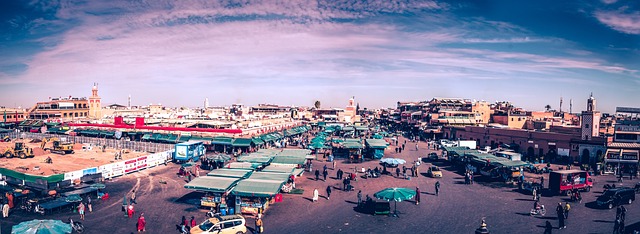
No trip to Marrakech is complete without visiting Jemaa el-Fnaa, the city’s main square and a UNESCO World Heritage Site. During the day, you’ll find orange juice vendors, snake charmers, henna artists, and musicians vying for attention. As the sun sets, the square transforms into a bustling night market with pop-up food stalls, storytellers, and street performers.
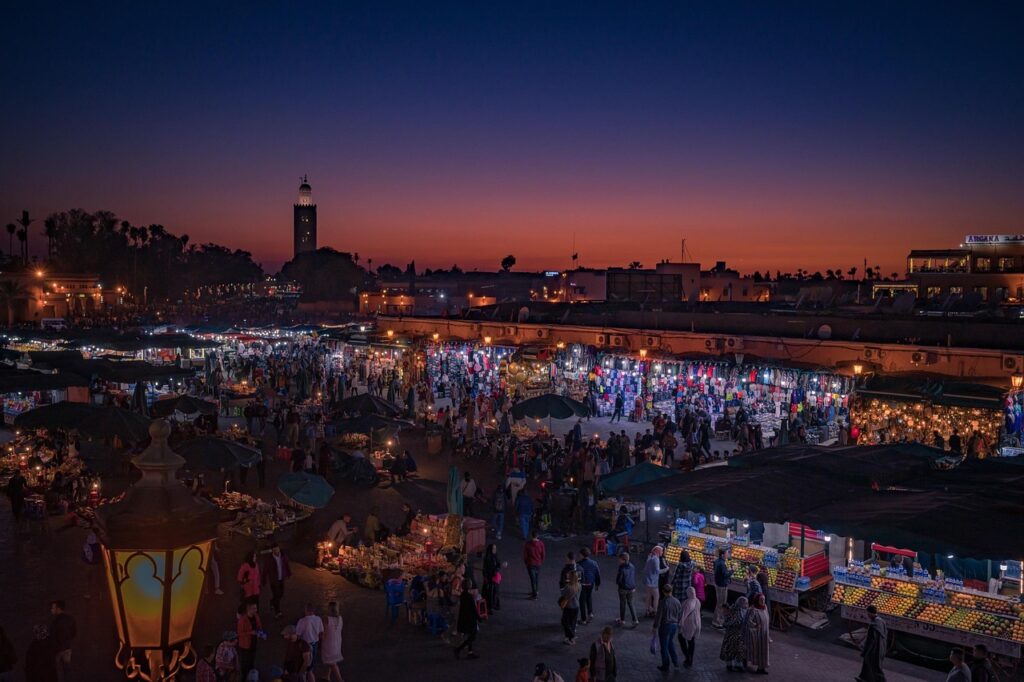
Pro tip: Visit at sunset to watch the square come alive from a rooftop café. Grab a mint tea and enjoy the dramatic skyline views over the Atlas Mountains.
2. The Medina and Souks: A Shopper’s Paradise
Step into the medina, Marrakech’s ancient walled city, and prepare to get lost—in the best way possible. Its maze of narrow alleyways is home to some of the most vibrant souks (markets) in North Africa. You’ll find everything from handwoven rugs and lanterns to spices, ceramics, leather goods, and traditional Moroccan clothing.
Don’t be afraid to haggle—bargaining is expected and often part of the fun.
3. Bahia Palace: A Glimpse into Royal Grandeur
Built in the late 19th century, the Bahia Palace showcases the height of Moroccan craftsmanship. Intricate stucco work, colorful zellige tiles, and tranquil courtyards give visitors a sense of how Moroccan nobility once lived. It’s a peaceful oasis in the midst of the city’s hustle and bustle.
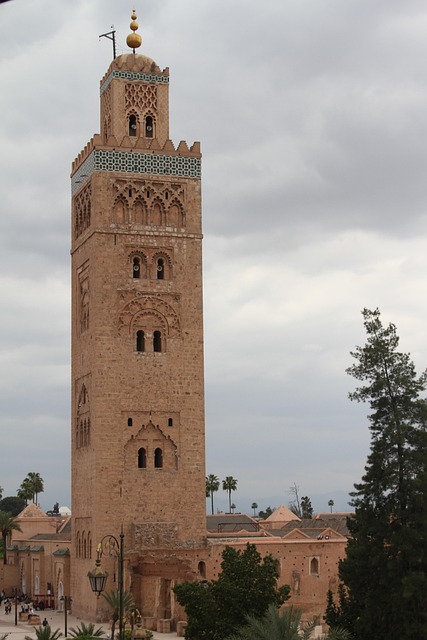
4. Koutoubia Mosque: A Towering Landmark
Even if you’re not able to enter (as it’s reserved for Muslim worshippers), the Koutoubia Mosque is still worth seeing. Its impressive minaret stands 77 meters tall and is visible from almost anywhere in the city. It’s especially striking when lit up at night.
5. Jardin Majorelle & Yves Saint Laurent Museum
For a splash of color and calm, head to the Jardin Majorelle, a beautiful botanical garden originally created by French painter Jacques Majorelle and later restored by fashion designer Yves Saint Laurent. Right next door, the Yves Saint Laurent Museum celebrates his life and contributions to the world of fashion—and his deep love for Marrakech.
Explore Marrkech Hotels

Moroccan Cuisine: A Flavor Explosion
Marrakech isn’t just a feast for the eyes—it’s a culinary paradise. Moroccan food is a tantalizing mix of Berber, Arab, Mediterranean, and French influences, with rich spices like saffron, cumin, cinnamon, and paprika playing starring roles.
1. Tagine: The Crown Jewel of Moroccan Cooking
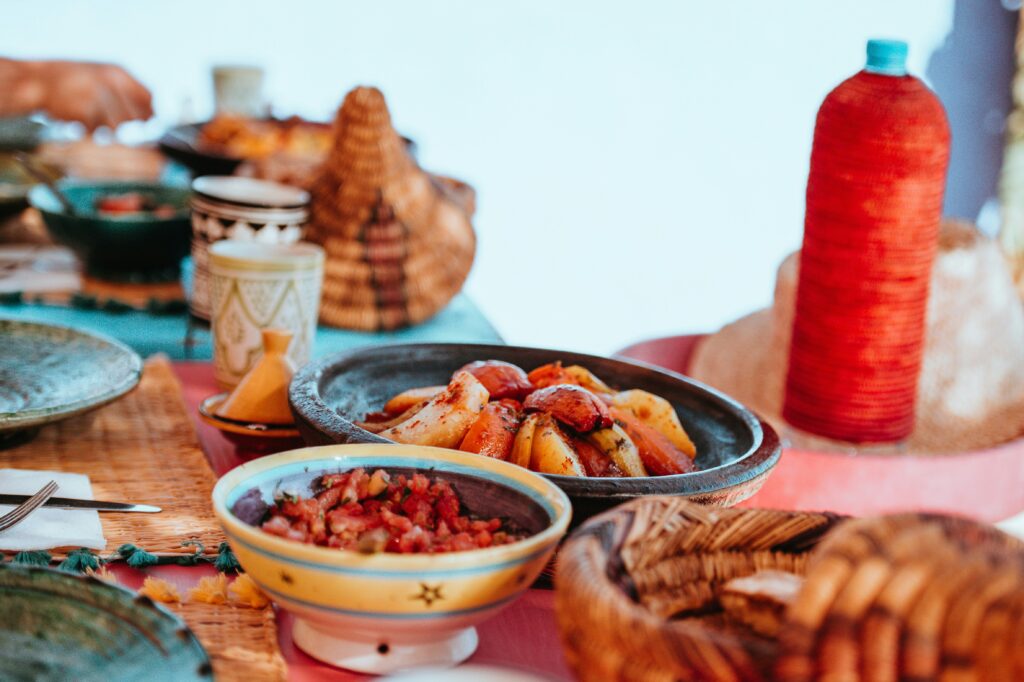
Served in its signature conical clay pot, tagine is a slow-cooked stew of meat (often lamb or chicken), vegetables, and aromatic spices. Popular variations include chicken with preserved lemons and olives or lamb with prunes and almonds.
You can find it almost everywhere—from street-side cafés to high-end riads (traditional Moroccan guesthouses). For an authentic experience, consider taking a local cooking class where you’ll learn to prepare your own tagine from scratch.
2. Couscous Fridays
Traditionally eaten on Fridays after the midday prayer, couscous is another staple. Light and fluffy, it’s often served with vegetables, chickpeas, and tender meat, all drizzled with a savory broth.
3. Street Food Adventures
If you’re adventurous with your palate, Jemaa el-Fnaa is a treasure trove of street eats. Try maakouda (potato fritters), sardine sandwiches, and harira, a hearty tomato-based soup often eaten during Ramadan.
4. Sweet Tooth? You’re Covered.
Moroccan pastries are as intricate as they are delicious. Be sure to sample chebakia (sesame cookies soaked in honey), briouats (sweet or savory filled pastries), and the melt-in-your-mouth almond ghriba.
Pair any of these treats with traditional mint tea, which locals affectionately call “Moroccan whisky” for its strong, sweet flavor and importance in social life. Watching your host pour it from a dramatic height is all part of the charm.
Ride into the Desert: Camel Trekking Adventures
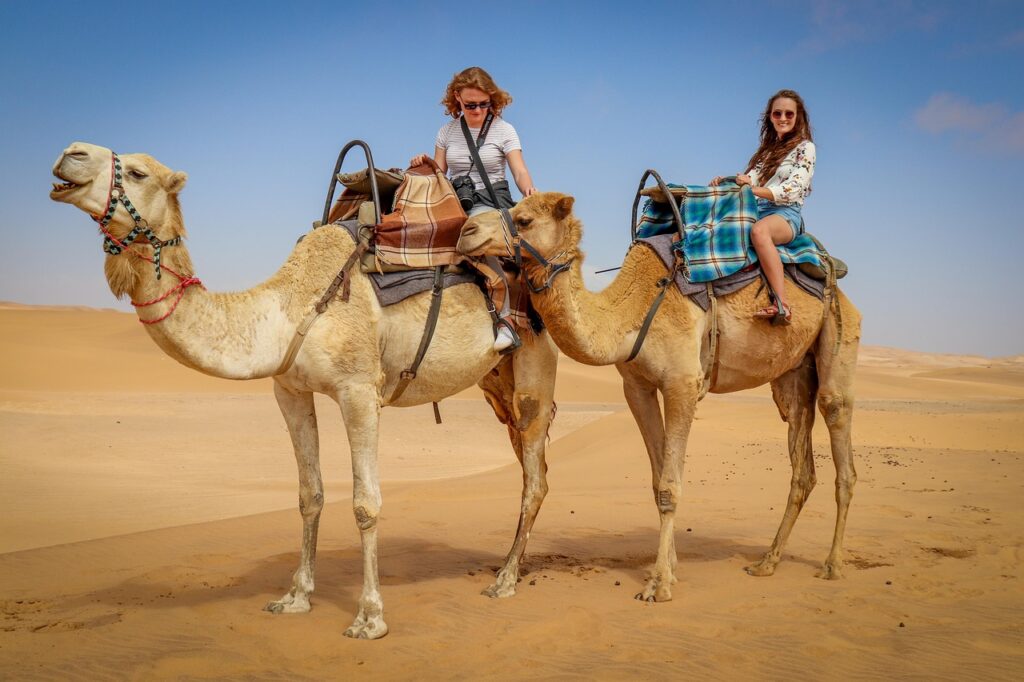
A visit to Marrakech offers a great jumping-off point for camel trekking, one of the most iconic Moroccan experiences. While the vast Sahara Desert lies further east (near Merzouga or Zagora), you don’t have to venture far from Marrakech to enjoy a camel ride.
1. Palmeraie: Desert Vibes Close to the City
Just 20 minutes outside the city lies the Palmeraie, a lush palm oasis that stretches over 50 square kilometers. Here, you can embark on a guided camel ride through sand dunes, palm groves, and Berber villages. Most tours include hotel pickup and drop-off, traditional dress (blue robes and turbans), and sometimes even tea with a local family.
2. Agafay Desert: The Stone Desert Experience
Want more of a desert atmosphere without traveling to the Sahara? Head to the Agafay Desert, about an hour from Marrakech. Though technically a “stone desert,” its barren beauty is mesmerizing, with rolling hills and dramatic sunsets. Camel rides here often include dinner under the stars or overnight stays in luxury desert camps with all the comforts—think candlelit dinners, firepits, and traditional music.
3. Multi-Day Sahara Treks
If you’re willing to go further, consider a 3-4 day excursion to Merzouga or Zagora, where you can ride camels over massive dunes, camp in Berber tents, and experience the vast, serene beauty of the Sahara. It’s a life-changing experience that gives new meaning to the term “off the beaten path.”
Tips for Travelers
- Dress modestly, especially in religious or rural areas. Lightweight, long-sleeved clothing will keep you comfortable and respectful.
- Stay in a riad for a true Moroccan experience. These traditional homes turned guesthouses are often tucked away in the medina and offer beautiful inner courtyards, tiled floors, and warm hospitality.
- Learn a few Arabic or French phrases. While many locals in the tourism industry speak English, a little effort goes a long way.
- Use cash. Credit cards are accepted in higher-end establishments, but most souks and smaller restaurants prefer Moroccan dirhams.
- Watch for scams. Like in many tourist-heavy areas, stay alert, especially in crowded places. If someone offers unsolicited “directions” or tries to guide you, politely decline unless you’re truly lost.
Explore Marrkech Hotels
Marrakech isn’t a place you merely visit—it’s a place you feel. It’s in the rhythmic beat of a Gnawa drum, the swirling patterns of a Berber rug, the smell of saffron rising from a simmering pot, and the golden glow that floods the city as the sun dips below the horizon.
Whether you’re bargaining in the souks, feasting on traditional dishes, or swaying atop a camel through the desert landscape, Marrakech offers an unforgettable immersion into culture, history, and adventure.
So if your heart yearns for spice markets, starlit desert skies, and the timeless rhythm of an ancient city—Marrakech is calling.