
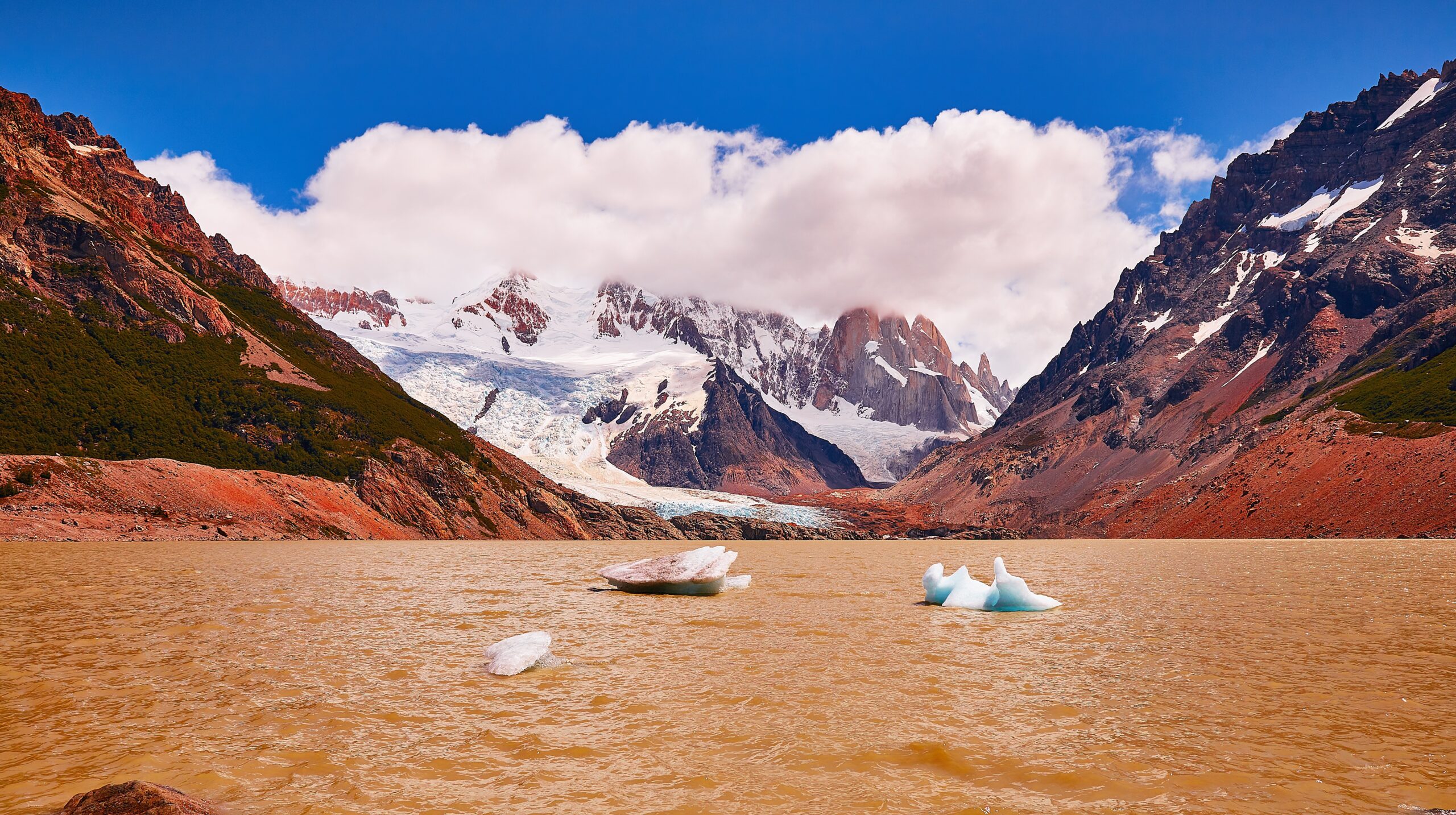
Patagonia is one of the most spectacular travel destinations in South America, a vast wilderness of jagged mountain peaks, enormous glaciers, turquoise lakes, windswept plains, and remote coastal landscapes. Shared by Argentina and Chile, this extraordinary region offers everything from challenging mountain treks to scenic drives, wildlife encounters, and comfortable lodges with breathtaking views.
The challenge is deciding where to go. Patagonia covers an enormous area, and distances between its major attractions can be substantial. Rather than trying to see everything, plan your trip around a few standout destinations, allowing enough time to enjoy the scenery without spending every other day in transit.
Whether you want to hike beneath the famous peaks of Torres del Paine, watch ice break from a massive glacier, or explore the southernmost reaches of the continent, this guide covers the best sights, activities, accommodations, and practical tips for planning a memorable Patagonia vacation.
Where Is Patagonia?
Patagonia occupies the southern portion of South America, extending across Argentina and Chile. Its landscapes range from the Andes Mountains and ancient forests in the west to Argentina’s expansive grasslands and Atlantic coastline in the east.
Argentine Patagonia is particularly well known for Perito Moreno Glacier, the hiking town of El Chaltén, and the scenic lake district around Bariloche. Across the border, Chilean Patagonia draws visitors to Torres del Paine National Park, with its dramatic granite towers, glacial lakes, and rugged mountain scenery.
For a first visit, concentrate on southern Patagonia. The combination of El Calafate, El Chaltén, and Torres del Paine delivers many of the region’s most recognizable sights.
Best Time to Visit Patagonia
Patagonia lies in the Southern Hemisphere, so its seasons are opposite those in North America and Europe.
October through November: Spring brings longer days, returning wildlife activity, and fewer visitors than the height of summer. Conditions can be unpredictable, but this period can be rewarding for travelers seeking quieter trails.
December through February: Summer is the most popular season for hiking, sightseeing, and outdoor adventures. Days are long, and most major visitor services operate on their main schedules. However, accommodation and trekking reservations can sell out well in advance.
March through April: Autumn brings colorful foliage to some forests, cooler temperatures, and potentially fewer crowds. This is an appealing period for scenic trips, although some seasonal services begin to close.
May through September: Winter offers snow-covered landscapes and opportunities for skiing around destinations such as Bariloche. However, some hiking trails, mountain refuges, and excursions in southern Patagonia become inaccessible or operate on reduced schedules.
For a first trip focused on hiking and glaciers, November, early December, or March can offer a good balance of scenery, daylight, and visitor numbers. Always check conditions for your specific destinations before booking.
1. Torres del Paine National Park, Chile
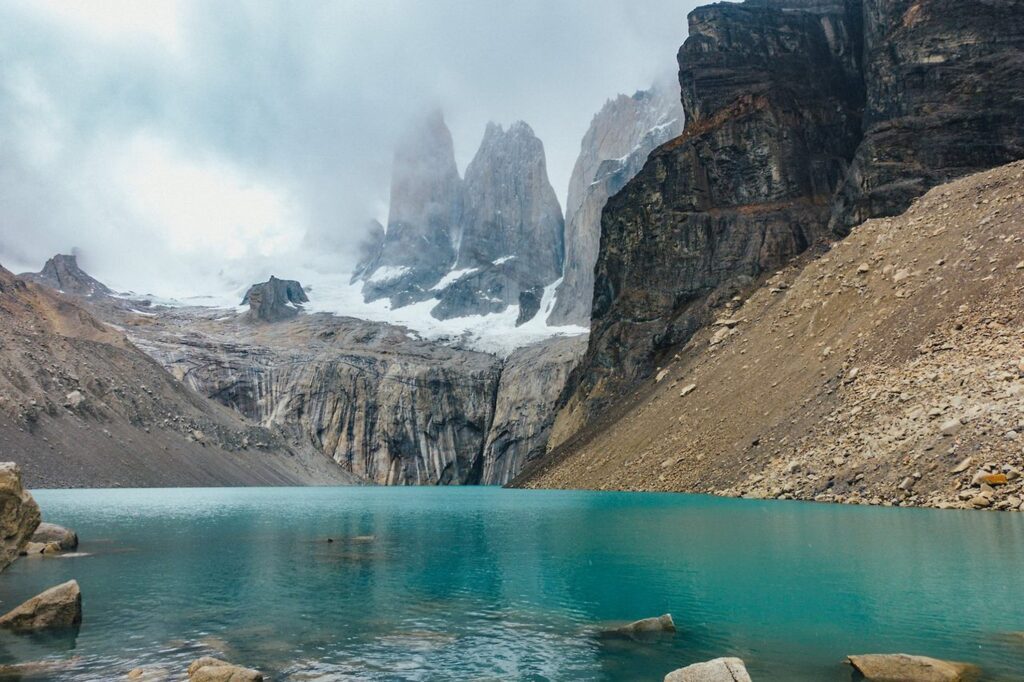
Torres del Paine is one of Patagonia’s signature destinations. The park is famous for its towering granite formations, glacial lakes, waterfalls, and vast open landscapes. Even visitors who never undertake a strenuous hike can experience remarkable scenery here.
The three granite towers that give the park its name are the major attraction. Their steep walls rise above a glacial valley, creating one of South America’s most recognizable mountain views.
Best things to do in Torres del Paine
- Hike to Base Torres: The classic full-day hike leads through forests and mountain terrain to a viewpoint overlooking the three towers and their glacial lake. The final ascent is steep and rocky, so a good level of fitness is important.
- Visit Lake Pehoé: The striking blue-green water and surrounding peaks make this one of the park’s best scenic stops. It is particularly appealing for photography.
- See Grey Glacier: Take a boat excursion or explore designated trails to view the enormous glacier and its floating icebergs.
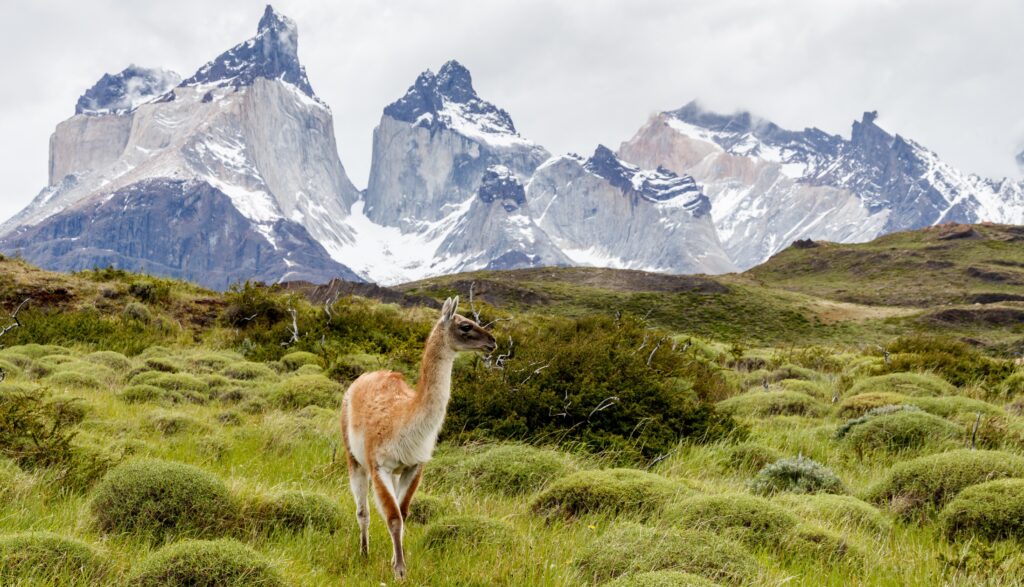
- Look for wildlife: Guanacos are commonly seen in open areas, while condors may circle above the mountains. Pumas also inhabit the region, although sightings are never guaranteed.
- Drive the scenic park roads: Travelers who prefer not to hike can enjoy viewpoints, waterfalls, lakes, and mountain panoramas from accessible areas.
Explore Patagonia Hotels

Where to stay: Puerto Natales is the most practical base for travelers who want restaurants, shops, and a range of hotels and guesthouses. Staying inside or near the national park reduces daily driving and provides more time for sightseeing. Options range from campsites and mountain refuges to upscale lodges with guided excursions.
If you intend to complete the famous W Trek or the longer O Circuit, reserve accommodation and campsites early. These multiday routes require more planning than a standard sightseeing visit.
Official visitor information is available through Chile Travel.
2. El Calafate and Perito Moreno Glacier, Argentina
El Calafate is the principal gateway to Perito Moreno Glacier, one of Patagonia’s most remarkable natural attractions. Located in Los Glaciares National Park, the glacier stretches across Lake Argentino, presenting a massive wall of blue-white ice.
Unlike many glaciers that are difficult to approach, Perito Moreno can be viewed from an extensive network of designated walkways. Visitors can watch ice formations change, listen for deep cracking sounds, and occasionally witness enormous pieces of ice collapse into the water.
Best things to do around El Calafate
- Explore the glacier walkways: Multiple viewing platforms offer different perspectives of the ice wall. Allow several hours to walk between viewpoints and enjoy the scenery.
- Take a boat excursion: A navigation trip provides a closer look at the glacier’s towering face and surrounding ice formations.
- Try glacier trekking: Guided excursions allow eligible participants to walk on the ice using specialist equipment. Choose a trip based on your fitness, mobility, and comfort with uneven terrain.
- Visit Laguna Nimez: This nature reserve near town is a pleasant place for birdwatching, particularly for visitors interested in flamingos and other Patagonian bird species.
- Explore a traditional estancia: Some ranches offer meals, horseback riding, and an introduction to Patagonian rural life.
Where to stay: El Calafate has a broad selection of accommodation, from budget hostels and simple guesthouses to comfortable hotels and luxury lodges. Staying in town is convenient for restaurants, shops, and tour departures. Properties outside the center can offer more open views of the lake and surrounding steppe.
Plan at least two nights here, preferably three if you want to combine the glacier with a boat trip or another excursion.
3. El Chaltén: Patagonia’s Hiking Capital
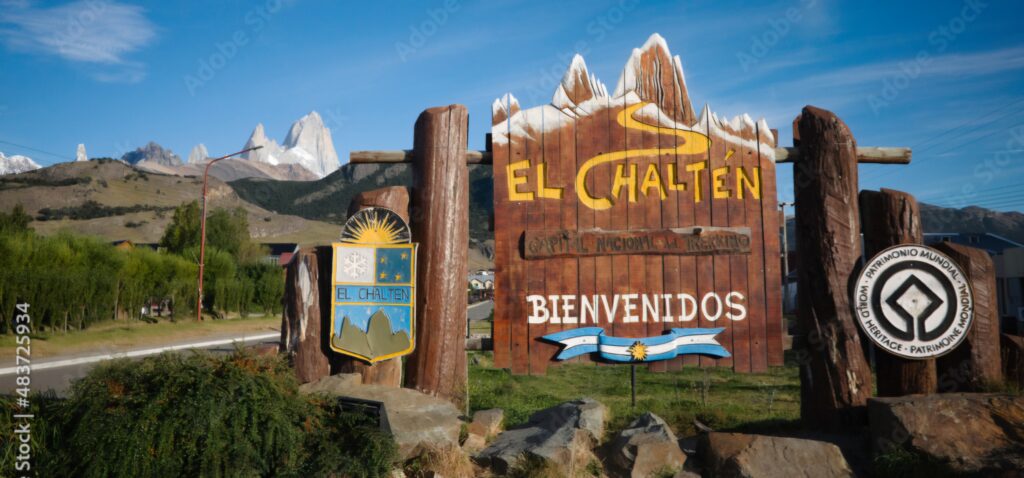
If walking among mountains is your idea of a perfect vacation, El Chaltén deserves a place on your itinerary. This small Argentine town sits beneath the dramatic Fitz Roy massif and serves as a starting point for some of Patagonia’s most famous hiking trails.
Unlike destinations where every excursion requires a vehicle or guided tour, several major trails begin close to town. That makes El Chaltén particularly convenient for independent travelers.
The best hikes and sights
- Laguna de los Tres: This demanding hike rewards visitors with a spectacular view of Mount Fitz Roy above a turquoise glacial lake. The final climb is steep, and the full route typically takes most of a day.
- Laguna Torre: A rewarding alternative leads through forests and open valleys toward Cerro Torre and its surrounding glaciers. It is a long hike, but the gradient is generally more manageable than the final ascent to Laguna de los Tres.
- Mirador de los Cóndores: A relatively short uphill walk provides panoramic views of the town and surrounding mountains. It is an excellent option for arrival day or a less strenuous outing.
- Laguna Capri: This scenic lake offers impressive views of Fitz Roy and can be a good choice for travelers who want mountain scenery without completing the longest hike.
- Enjoy the town: After a day outdoors, browse local shops, visit a café, or enjoy a relaxed dinner at one of the small restaurants.
Where to stay: El Chaltén offers hostels, guesthouses, cabins, and small hotels. Choose accommodation near the town center if you want easy access to restaurants and trailheads. More secluded lodges provide a quieter setting and attractive mountain views, but may require transportation.
Allow three nights if possible. This gives you time for two major hikes and a backup day in case wind, rain, or low clouds obscure the mountains.
4. Ushuaia and Tierra del Fuego
At the southern end of Argentina, Ushuaia sits beside the Beagle Channel, surrounded by mountains and forests. Often promoted as the world’s southernmost city, it combines dramatic scenery with maritime history and access to Tierra del Fuego National Park.
Ushuaia is geographically separate from the main El Calafate–El Chaltén–Torres del Paine circuit, so including it usually requires an additional flight or a longer journey.
Top activities in Ushuaia
- Cruise the Beagle Channel: Boat trips pass rugged islands and offer opportunities to see sea lions, seabirds, and other marine wildlife.
- Visit Tierra del Fuego National Park: Explore forest trails, lakes, coastal viewpoints, and sheltered bays.
- Ride the End of the World Train: This historic railway offers a scenic journey through forested landscapes near the national park.
- Explore the town: Visit local museums, browse shops, and sample regional seafood.
- Take a winter trip: During the colder months, nearby areas offer snow-based activities, including skiing and other seasonal adventures.
Where to stay: Ushuaia has centrally located hotels, small inns, apartments, and waterfront properties. Staying downtown makes it easier to reach restaurants and tour departures without renting a car.
Two or three nights is a reasonable starting point, depending on whether you want to focus on the national park, boat excursions, or winter activities.
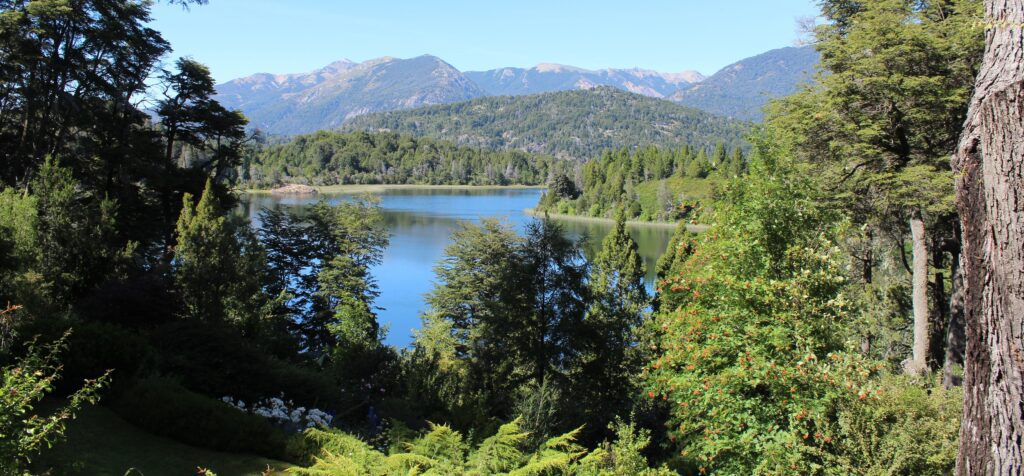
5. Bariloche and Patagonia’s Lake District
Northern Patagonia offers a different atmosphere from the glacier country farther south. Around Bariloche, forested mountains rise above clear lakes, scenic roads wind through valleys, and traditional alpine-style architecture gives the town a distinctive character.
This is a particularly good destination for travelers who enjoy beautiful drives, lake views, comfortable hotels, and outdoor activities without committing to strenuous multiday hikes.
What to see and do
- Drive the Circuito Chico: This popular scenic route passes lakes, forests, viewpoints, and attractive stops around the outskirts of Bariloche.
- Visit Cerro Campanario: A chairlift or hike leads to panoramic views of lakes and mountain ranges.
- Explore Nahuel Huapi National Park: Enjoy hiking, boating, kayaking, and wildlife watching in one of Argentina’s best-known protected landscapes.
- Sample local chocolate: Bariloche is famous for its chocolate shops, cafés, and dessert stops.
- Go skiing in winter: Cerro Catedral is a major ski destination when snow conditions permit.
Where to stay: Bariloche has everything from budget hostels to lakeside resorts and mountain lodges. Stay downtown for restaurants and transport, or choose a property along the lake for quieter surroundings and better views.
Bariloche works especially well as a separate four- or five-day trip, or as an extension for travelers spending two weeks or longer in Argentina.
Explore Patagonia Hotels
Where to Stay in Patagonia: Choosing the Right Base
Accommodation decisions can make a major difference to your itinerary. Distances are large, and staying close to the attractions you want to visit can save hours of daily transportation.
For a first visit, consider these bases:
- Puerto Natales: Best for accessing Torres del Paine, with options ranging from affordable guesthouses to high-end hotels.
- Inside or near Torres del Paine: Best for travelers prioritizing hiking, early starts, and time in the park. Expect higher prices at some remote lodges.
- El Calafate: Best for visiting Perito Moreno Glacier, with a wide range of hotels and restaurants.
- El Chaltén: Best for hikers who want direct access to mountain trails and a small-town atmosphere.
- Ushuaia: Best for southern coastal scenery, wildlife cruises, and Tierra del Fuego National Park.
- Bariloche: Best for lake scenery, scenic driving, outdoor activities, and a larger selection of restaurants and accommodations.
For the best value, compare the total cost of lodging and transportation rather than looking at room rates alone. A hotel farther from a trailhead may cost less but require an expensive transfer or a rental car.
What to Eat in Patagonia
Patagonian food is another highlight of the trip. Argentina is known for its beef and grilled meats, while lamb is especially associated with the southern region. In many traditional restaurants, slow-roasted Patagonian lamb is a signature dish.
Other regional favorites include trout, salmon, king crab in parts of southern Chile, homemade pasta, and hearty soups. Bariloche is famous for chocolate, while local cafés and bakeries are useful stops before or after a day outdoors.
In remote areas, restaurant choices may be limited, particularly outside the main summer season. If you have dietary preferences or want to keep costs down, check whether your accommodation offers breakfast or has a kitchen.
How to Plan a Patagonia Itinerary
Because the region is so large, avoid trying to visit every destination on a short trip.
One week: Focus on El Calafate and El Chaltén. Spend two or three nights in El Calafate for Perito Moreno Glacier, then travel to El Chaltén for hiking.
Ten days: Add Torres del Paine if you want to experience both Argentina and Chile. Allow time for ground transportation and border formalities rather than treating the journey as a quick transfer.
Two weeks: Combine El Calafate, El Chaltén, Torres del Paine, and either Ushuaia or Bariloche. Choose the additional destination according to your interests and available flight connections.
Book flights and accommodation with the distances in mind. Some journeys require long bus rides or connecting flights, and schedules can vary by season. If you are crossing between Argentina and Chile, verify current border requirements and restrictions on carrying food or other goods.
Practical Tips for Visiting Patagonia
Pack for changing weather. Conditions can shift quickly, even in summer. Bring layers, a waterproof jacket, warm clothing, comfortable hiking shoes, and sun protection.
Reserve popular activities early. Accommodation inside Torres del Paine, guided glacier hikes, and peak-season lodging can sell out well ahead of time.
Build in flexibility. Strong winds, rain, and cloud cover can affect hiking plans and mountain views. An extra day can make the difference between missing a major sight and seeing it under clear skies.
Understand trail difficulty. Some viewpoints require only short walks, while hikes such as Laguna de los Tres and Base Torres involve long distances and steep sections. Check current trail conditions and choose routes appropriate to your fitness.
Budget for transportation. Buses, transfers, rental cars, domestic flights, and guided excursions can add considerably to the cost of a Patagonia trip. Compare complete itineraries before booking.
Respect the environment. Stay on marked trails, carry out your rubbish, follow fire restrictions, and observe wildlife from a safe distance.
Is Patagonia Worth Visiting?
Absolutely. Patagonia offers a rare combination of spectacular scenery, outdoor adventure, distinctive regional food, and remote landscapes that feel far removed from everyday life.
For first-time visitors, the strongest itinerary is often the simplest: experience the glaciers around El Calafate, spend a few days hiking beneath Fitz Roy in El Chaltén, and add Torres del Paine if your schedule allows. Travelers with more time can explore Ushuaia’s coastal wilderness or the lakes and forests around Bariloche.
The key is to resist the temptation to cover too much ground. Give yourself enough time to enjoy the views, adapt to the weather, and discover the quieter moments between the major attractions. With thoughtful planning, Patagonia can be an unforgettable journey through some of the most impressive landscapes on Earth.