
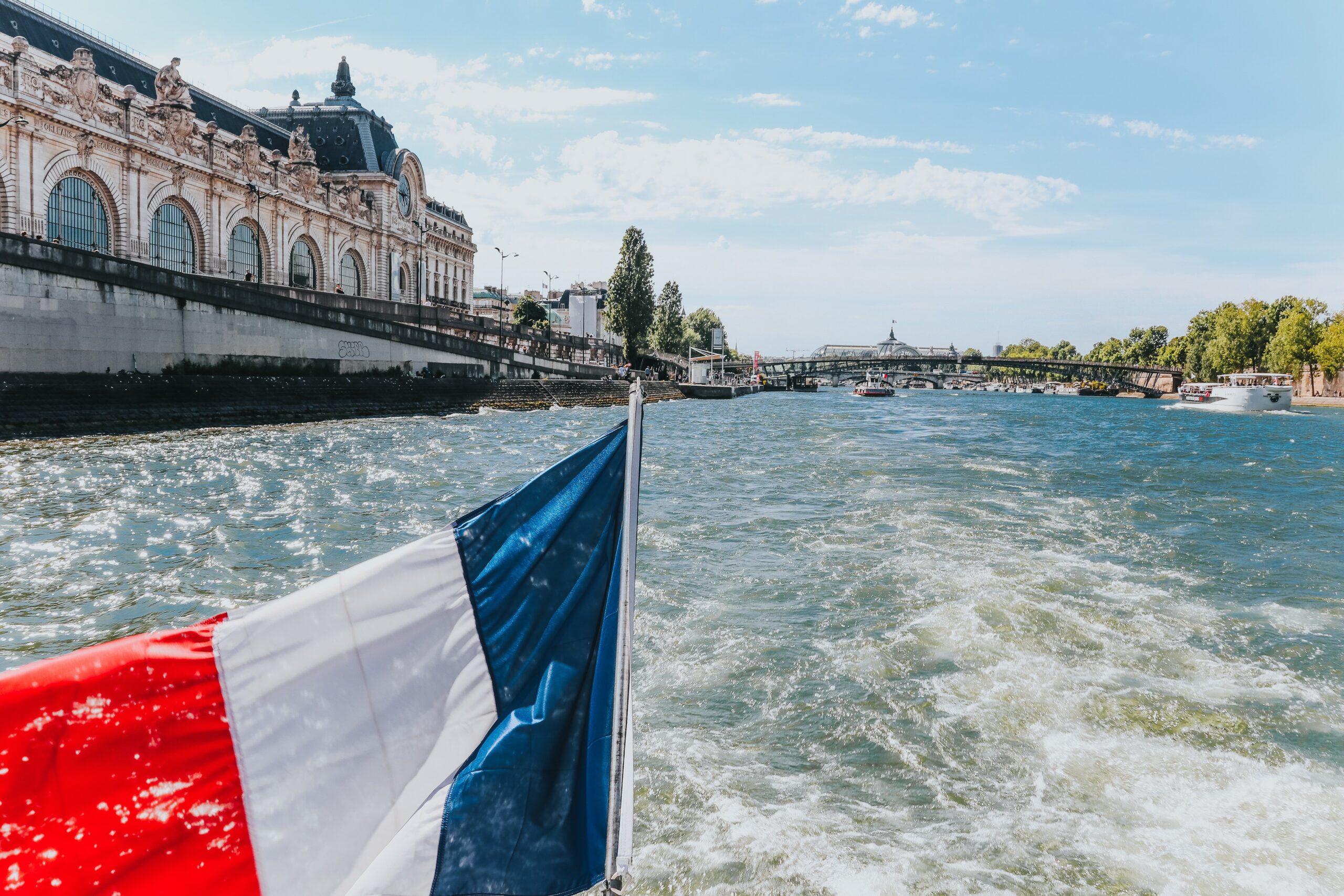
Paris in the fall has a special charm. As summer crowds begin to thin, the city takes on a more relaxed atmosphere, with golden leaves in its parks, cozy cafés filled with locals, and the warm glow of evening lights reflecting off the Seine. The weather is generally comfortable for sightseeing, and the cultural calendar is packed with exhibitions, concerts, festivals, and seasonal events.
Whether you’re planning a romantic getaway, a long weekend, or a more leisurely European vacation, fall is an excellent time to experience Paris. You can explore famous landmarks, enjoy world-class museums, sample French cuisine, and discover charming neighborhoods without the intensity of the summer travel season.
Here’s what to know about visiting Paris in September, October, or November, including weather, things to do, events, accommodation costs, dining expenses, and practical travel tips.
Why Visit Paris in the Fall?
Paris is attractive throughout the year, but autumn offers several advantages. The weather is usually mild enough for walking, outdoor cafés remain inviting, and the city’s parks and gardens take on beautiful seasonal colors.
September often retains some of the warmth of summer, while October brings cooler temperatures and changing foliage. By November, the days are shorter, the weather is more unpredictable, and the city begins transitioning toward its winter atmosphere.
Fall can also offer a useful balance between price and availability. Although Paris remains a popular destination year-round, travelers may find more accommodation choices outside major holidays and large events.
The official Paris tourism office identifies September and October as particularly appealing months for exploring the city, with generally pleasant temperatures and moderate tourist numbers.
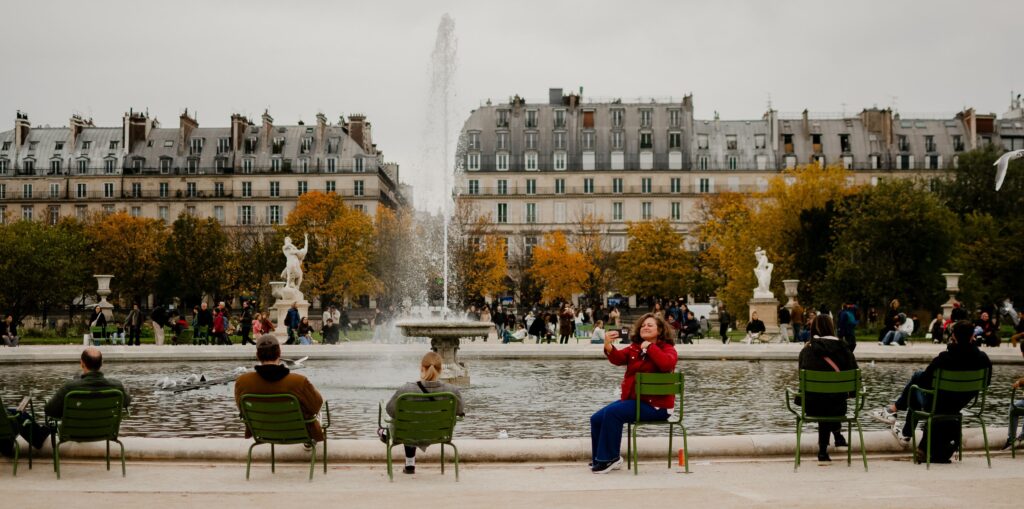
Paris Fall Weather: What to Expect
Fall weather in Paris is generally mild but changeable. You might enjoy bright sunshine during the day, followed by a cool evening or a passing rain shower. Packing layers is essential, especially if you plan to spend much of your day walking.
September: September is often one of the most comfortable months to visit Paris. Daytime temperatures commonly range from the upper 60s to low 70s Fahrenheit, although warmer or cooler days are possible. Evenings become noticeably cooler, particularly toward the end of the month.
This is an excellent time for walking along the Seine, exploring Montmartre, visiting outdoor markets, and enjoying lunch on a café terrace.
October: October brings a more distinctly autumnal atmosphere. Daytime temperatures often range from the mid-50s to mid-60s Fahrenheit, with cooler mornings and evenings. Trees begin changing color, and parks such as the Jardin du Luxembourg and Jardin des Tuileries become especially attractive.
Rain is possible, so a compact umbrella and waterproof jacket are useful additions to your luggage.
November: November is cooler and generally wetter than September or October. Daytime temperatures often hover in the upper 40s to mid-50s Fahrenheit, and evenings can feel quite cold. The days are shorter, making it important to plan outdoor sightseeing earlier.
The advantage is that November is ideal for museums, galleries, cafés, shopping, and other indoor activities. Paris also begins to develop a festive atmosphere as Christmas approaches.
What to pack for Paris in the fall:
- A lightweight waterproof jacket
- Sweaters or long-sleeved shirts
- Comfortable walking shoes
- A compact umbrella
- A scarf for cooler evenings
- Layers that can be added or removed throughout the day
Paris is a walking city, and comfortable footwear is more important than fashionable shoes that become uncomfortable after several hours.
The Best Things to Do in Paris During the Fall
Fall is an excellent season for combining Paris’s major attractions with slower-paced neighborhood exploration.
Explore the Eiffel Tower and the Seine
The Eiffel Tower remains one of Paris’s essential sights, but the surrounding area can be particularly enjoyable in autumn. Take a walk through the Champ de Mars, admire the tower from different viewpoints, and continue toward the Seine.
A river cruise is another way to see Paris’s major landmarks without spending several hours on foot. Fall light can be beautiful, particularly in the late afternoon.
If the weather is cool or rainy, a cruise provides a comfortable way to enjoy the city’s architecture while taking a break from sightseeing.
Visit the Louvre and Musée d’Orsay
Paris’s museums are especially valuable when the weather turns wet or chilly.
The Louvre offers an enormous collection spanning thousands of years of art and history. First-time visitors should plan which galleries they most want to see rather than attempting to cover the entire museum in one visit.
The Musée d’Orsay, housed in a former railway station, is particularly appealing to visitors interested in Impressionist and Post-Impressionist art. Its collection includes works by Monet, Renoir, Degas, Van Gogh, and many other important artists.
Other worthwhile museums include:
- Musée de l’Orangerie, known for Monet’s Water Lilies
- Musée Rodin, with its sculpture garden
- Musée Picasso
- Musée Carnavalet, dedicated to the history of Paris
- Centre Pompidou, subject to current opening arrangements and renovation schedules
Reserve tickets in advance for major museums when possible, particularly during weekends and school holidays.
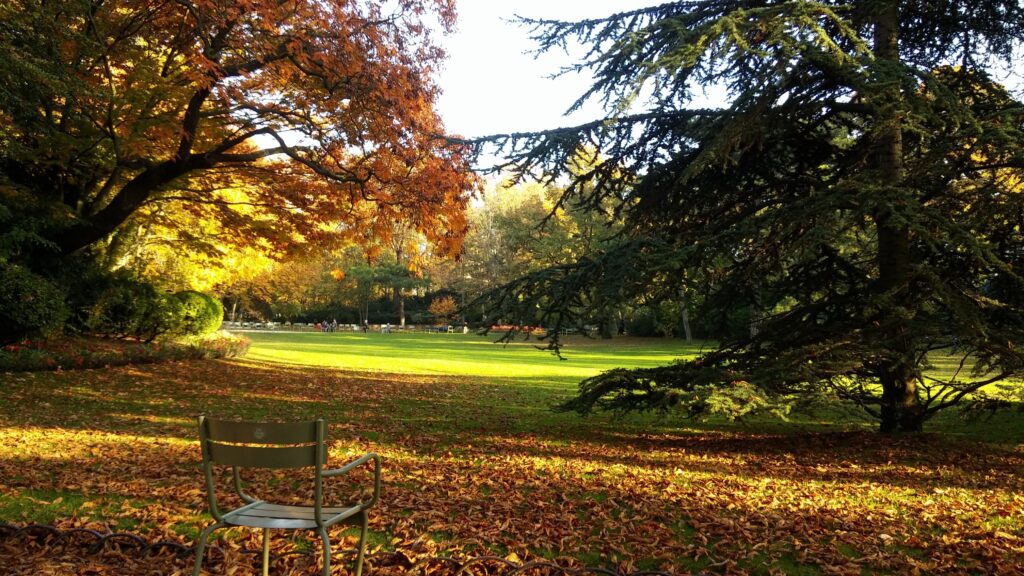
Walk Through the Jardin du Luxembourg
The Jardin du Luxembourg is one of Paris’s most attractive parks and a wonderful place to experience autumn.
The formal gardens, tree-lined paths, fountains, and sculptures provide a peaceful contrast to the busy streets. Visitors can stroll around the grounds, watch the boats on the central pond, or find a chair and enjoy the scenery.
The Jardin des Tuileries, located between the Louvre and Place de la Concorde, is another excellent destination for an autumn walk.
Discover Montmartre
Montmartre is one of Paris’s most atmospheric neighborhoods. Its winding streets, historic buildings, small cafés, and artistic associations make it a rewarding place to explore at a leisurely pace.
Begin near the Sacré-Cœur Basilica, where you can enjoy views over Paris. Then wander through the surrounding streets, discovering small shops, galleries, bakeries, and restaurants.
Fall is a particularly pleasant time to visit Montmartre because the cooler weather makes its hilly streets easier to explore than during a hot summer afternoon.
Explore the Marais
The Marais combines historic architecture, boutiques, galleries, cafés, and restaurants.
Its narrow streets are ideal for wandering without a strict itinerary. Visit Place des Vosges, explore independent shops, and stop for coffee or a pastry.
The neighborhood is also a good choice when the weather is uncertain because many attractions are close together, allowing you to move between indoor and outdoor activities.
Fall Events and Festivals in Paris
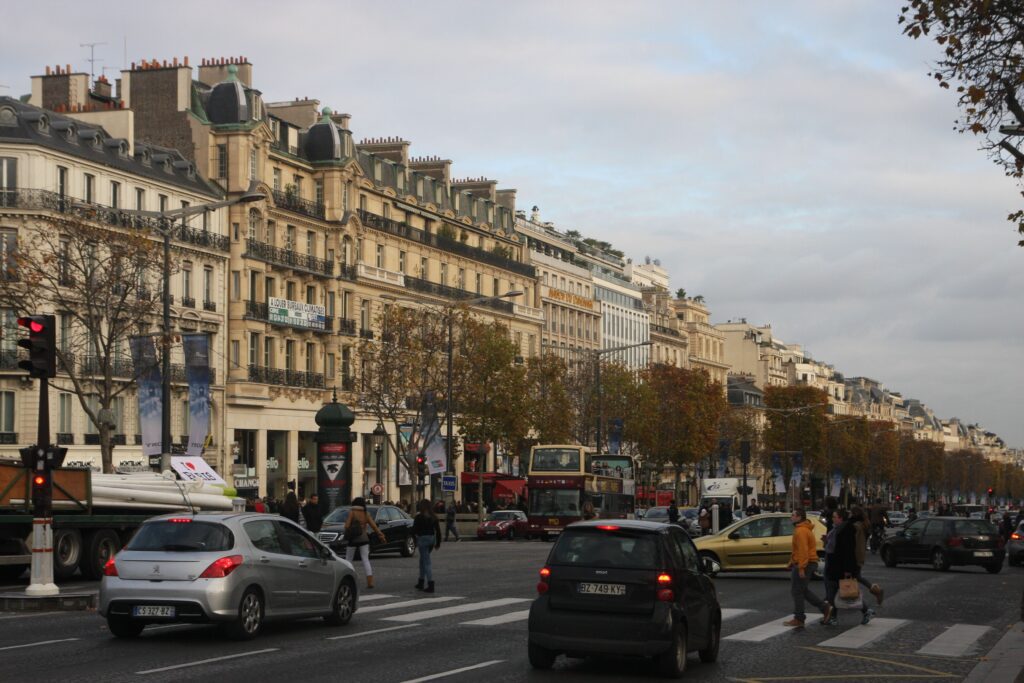
Paris has a busy cultural calendar during the autumn months. Events vary from year to year, so check official websites before finalizing your travel plans.
September cultural events
September marks the beginning of Paris’s new cultural season. Museums, theaters, galleries, concert halls, and cultural institutions introduce new exhibitions and performances.
The month can be a good time to discover temporary art exhibitions, classical concerts, fashion-related events, and neighborhood festivals.
The Paris tourism office publishes seasonal listings of exhibitions, shows, sporting events, and festivals taking place throughout the city.
October activities and exhibitions
October is a strong month for cultural tourism. Paris’s major museums and galleries typically offer a wide range of exhibitions, while theaters and concert venues present their autumn schedules.
Depending on the year, visitors may also find food festivals, design events, fashion exhibitions, and special activities for families.
Halloween is not traditionally as prominent in Paris as it is in the United States, but some attractions, museums, entertainment venues, and theme parks organize seasonal events.
November cultural events
November brings a rich selection of exhibitions, concerts, festivals, and trade shows.
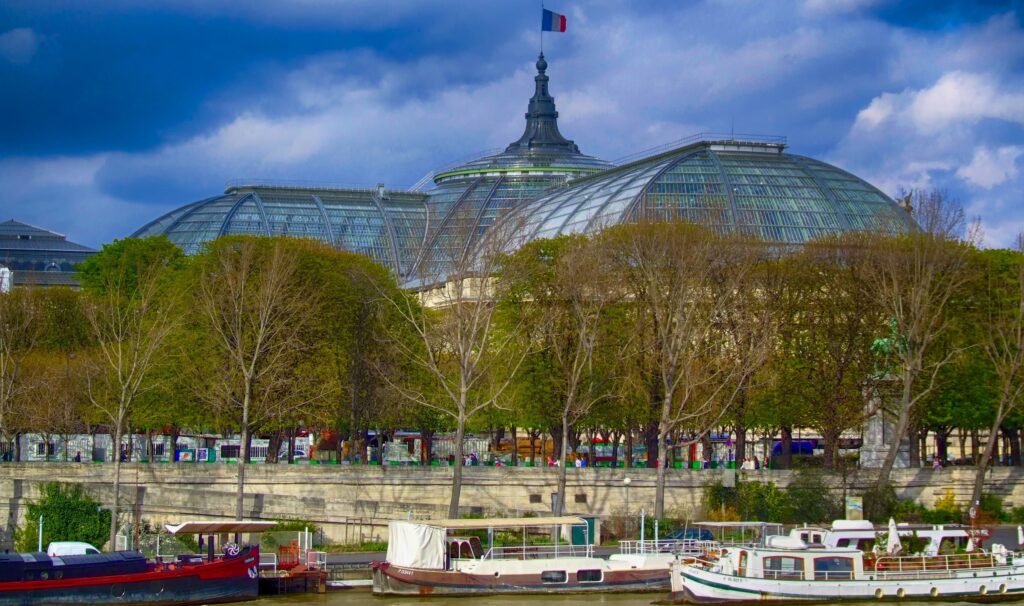
Photography is an important part of the city’s cultural calendar during the month. Paris Photo, a major international photography fair, is scheduled for November 12–15, 2026, at the Grand Palais. Other photography-related events take place throughout the city.
Other autumn activities may include:
- Classical music performances
- Contemporary art exhibitions
- Theater productions
- Food and culinary festivals
- Design and craft fairs
- Film festivals
- Sporting events
November is also a good time to visit Paris’s covered passages, bookstores, galleries, and traditional cafés.
How Much Does a Fall Trip to Paris Cost?
Paris can be expensive, but costs vary considerably depending on when you visit, where you stay, and how you spend your days.
The following are general planning estimates in U.S. dollars for fall travel. They are not live quotations, and actual prices can change significantly depending on demand, exchange rates, and special events.
Accommodation
Approximate nightly rates for two people:
- Budget hotel or simple guesthouse: $120–$200
- Midrange hotel: $200–$350
- Upscale hotel: $350–$600 or more
- Luxury hotel: $600 and above
Hotels in central neighborhoods and near major attractions often command higher prices. Staying slightly outside the most famous tourist areas can provide better value while still offering convenient Metro access.
September may retain relatively strong demand, while November can offer more flexibility on some dates. However, major conferences, exhibitions, holidays, and sporting events can affect prices.
Food and dining
Paris offers everything from inexpensive bakeries to high-end restaurants.
Typical planning estimates include:
- Coffee and pastry: $5–$10
- Casual breakfast: $10–$18
- Sandwich or quick lunch: $10–$18
- Casual restaurant meal: $25–$45 per person
- Midrange three-course meal: $45–$80 per person
- Fine dining: $100 or considerably more per person
A useful strategy is to enjoy a bakery breakfast, have a reasonably priced lunch, and reserve your dining budget for one or two memorable dinners.
Look for a formule déjeuner, or fixed-price lunch menu. These can offer good value compared with ordering individual dishes.
Remember that menu prices are generally displayed in euros and include applicable taxes. Service is typically included, although leaving a small additional amount for excellent service is appreciated rather than mandatory.
Transportation
Paris has an extensive public transportation system, including the Metro, buses, RER trains, and trams.
For many visitors, public transportation is the most practical way to move around the city. Walking is also an important part of the Paris experience, especially when exploring compact neighborhoods.
Your transportation budget will depend on the number of trips, whether you travel to the airports, and whether you visit attractions outside central Paris.
Attractions
Museum and attraction prices vary. Some museums offer reduced admission or free entry under certain conditions, and temporary exhibitions may have separate ticket prices.
Allow approximately $15–$35 per person for many paid attractions, although major landmarks, special exhibitions, and guided experiences can cost more.
Some activities, such as walking through parks, exploring neighborhoods, viewing historic architecture, and enjoying public squares, cost nothing.
Estimated Daily Budget for Two People
A reasonable planning budget for two adults might look like this:
| Expense | Budget-conscious | Midrange |
|---|---|---|
| Hotel per night | $150 | $275 |
| Breakfast | $20 | $35 |
| Lunch | $35 | $55 |
| Dinner | $60 | $110 |
| Transportation | $15 | $25 |
| Attractions | $30 | $60 |
| Estimated daily total | $310 | $560 |
These figures are illustrative rather than current price quotes. They exclude airfare, shopping, major special events, and unusually expensive dining.
For a seven-night trip, two travelers might therefore plan on approximately $2,170 to $3,920 for accommodation, meals, transportation, and attractions, before airfare and shopping.
Explore Paris Hotels

Where to Stay in Paris in the Fall
Choosing the right neighborhood can make a significant difference to your experience.
Saint-Germain-des-Prés: A classic choice for visitors who enjoy cafés, elegant streets, galleries, and central sightseeing.
Le Marais: Excellent for historic architecture, shopping, restaurants, and exploring on foot.
Latin Quarter: Convenient for visitors interested in history, bookshops, restaurants, and a lively atmosphere.
Opéra and Grands Boulevards: Useful for shopping, department stores, theaters, and transportation connections.
Montmartre: Attractive for visitors seeking a more village-like atmosphere, although some streets are steep and the neighborhood is farther from certain central attractions.
For a first visit, staying in a central neighborhood near a Metro station can save time and make it easier to return to your hotel during rainy weather.
Fall Shopping in Paris
Autumn is a good time for shopping in Paris, particularly if you enjoy fashion, home goods, books, or specialty food.
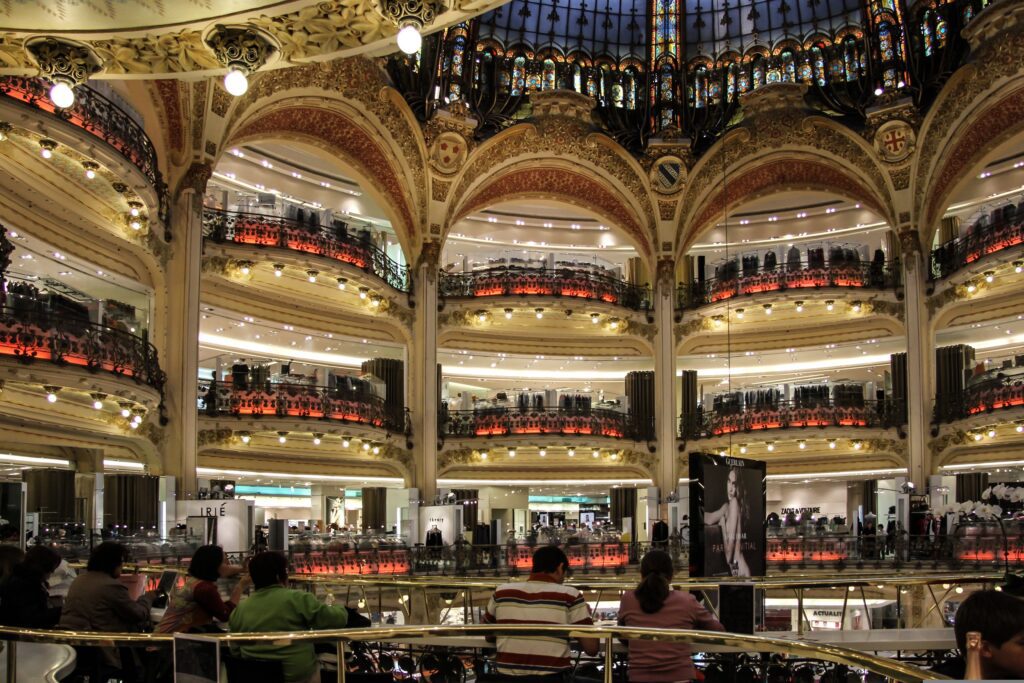
The department stores around Boulevard Haussmann offer a wide range of French and international brands. Le Marais has independent boutiques, vintage shops, and contemporary designers.
For a more traditional experience, explore the city’s covered passages, where you can find specialty shops, bookstores, cafés, and historic architecture.
Food-related souvenirs may include:
- French chocolate
- Regional preserves
- Specialty mustard
- Tea and coffee
- Packaged pastries
- Cooking ingredients
Check customs regulations before bringing food products home, particularly meat, dairy, and fresh produce.
Tips for Saving Money in Paris
Paris does not have to be prohibitively expensive. A few practical choices can help control costs.
Book accommodation early. Prices can rise during popular weekends, exhibitions, and major events.
Use public transportation. The Metro and bus system can be more economical than taxis for many journeys.
Enjoy bakery breakfasts. A croissant, coffee, and fresh bread can make an inexpensive and enjoyable start to the day.
Combine free and paid attractions. Alternate museum visits with neighborhood walks, parks, churches, and public squares.
Travel during less busy dates. Early November may provide more flexibility than popular September weekends, although weather and event schedules should be considered.
Avoid overplanning. Some of Paris’s best experiences involve simply walking, discovering a small café, or sitting in a park.
What to Know Before You Go
Paris is generally easy to explore, but preparation can make your visit more comfortable.
Wear comfortable shoes, especially if you plan to visit several neighborhoods in one day. Keep an eye on your belongings in crowded tourist areas and on public transportation.
Make reservations for popular restaurants and attractions when possible. If you have a specific museum or exhibition in mind, confirm its opening days and ticket requirements before visiting.
If you are traveling from the United States, check current French and Schengen entry requirements well before departure. Requirements can vary depending on nationality, passport, and travel dates.
Finally, remember that Parisian weather can change quickly in the fall. A sunny morning does not necessarily mean a dry afternoon, so a flexible itinerary is useful.
Explore Paris Hotels
Is Paris Worth Visiting in the Fall?
Paris in the fall offers a combination of comfortable sightseeing weather, cultural attractions, seasonal beauty, and memorable dining. September and October are particularly appealing for travelers who want to spend plenty of time outdoors, while November is well suited to museum visits, shopping, exhibitions, and cozy cafés.
Although accommodation and dining can be expensive, visitors can manage costs by choosing their neighborhood carefully, using public transportation, mixing paid attractions with free activities, and taking advantage of reasonably priced restaurants and bakeries.
Whether you are admiring the Eiffel Tower, strolling through the Luxembourg Gardens, exploring Montmartre, or enjoying a glass of wine beside the Seine, Paris in the fall offers plenty of reasons to return—and plenty of opportunities to discover something new.