
Fall can be one of the smartest times of year to travel. The summer crowds have disappeared from many popular destinations, temperatures are often more comfortable, and hotel prices can drop significantly after the peak season.
That doesn’t mean every destination is a bargain in fall. Some places remain expensive because of festivals, conferences, foliage season or unusually high demand. But if you choose carefully, fall offers an excellent combination of good weather, fewer crowds and better value.
Whether you’re looking for European food and culture, a warm beach escape or a scenic American road trip, these destinations are worth considering for a fall vacation.
1. Portugal
Portugal is one of the easiest European destinations to recommend for fall. Lisbon, Porto and the Algarve can remain pleasantly warm well into October, while the summer crowds begin to thin.
Lisbon is particularly appealing because you can combine historic neighborhoods, excellent restaurants, viewpoints and day trips without needing a car. Porto is another good choice, especially for travelers interested in food and wine.
The Algarve is a better option if your priority is sunshine and coastal scenery. By fall, the beaches are considerably quieter than they are during July and August.
Why go in fall: Warm weather, fewer tourists and potentially better hotel values than during peak summer.
Explore Area Hotels


2. Greece
Greece is much more than a summer beach destination. In fact, fall can be a particularly pleasant time to visit Athens and many of the country’s islands.
September generally offers the best combination of warm weather and swimming conditions, while October can be considerably quieter. Athens is also more comfortable to explore when temperatures aren’t at their summer peak.
Crete, Rhodes and other southern islands tend to retain warmer weather later into the season. Santorini can also be more enjoyable after the enormous summer crowds begin to disappear.
Why go in fall: Warm Mediterranean weather, fewer crowds and better opportunities to enjoy popular attractions without the peak-season crush.
3. Italy
Italy remains popular throughout the year, but fall can provide a much better sightseeing experience than the hottest months of summer.
Rome, Florence and Venice are all excellent choices. Temperatures are generally more comfortable for walking, and restaurants and attractions aren’t dealing with quite the same volume of summer visitors.
Fall is also a great season for Italian food. Depending on where you travel, you can find truffles, mushrooms, wine harvests and other seasonal specialties.
For travelers looking for value, consider cities and regions outside the most expensive areas of Tuscany and the Amalfi Coast.
Why go in fall: Comfortable sightseeing weather, seasonal food and fewer peak-season crowds.

4. Spain
Spain offers a huge variety of fall travel options. Barcelona and Madrid are obvious choices, but southern Spain can be particularly attractive when summer’s extreme heat begins to ease.
Seville, Malaga, Granada and the Costa del Sol can remain warm well into fall. This makes southern Spain a good choice if you want European culture without giving up the possibility of beach weather.
Barcelona can also work well, particularly in September and October. The city combines architecture, food, beaches and nightlife, giving you plenty to do if the weather isn’t perfect every day.
Why go in fall: Warm weather in much of the country, excellent food and fewer tourists than during the height of summer.
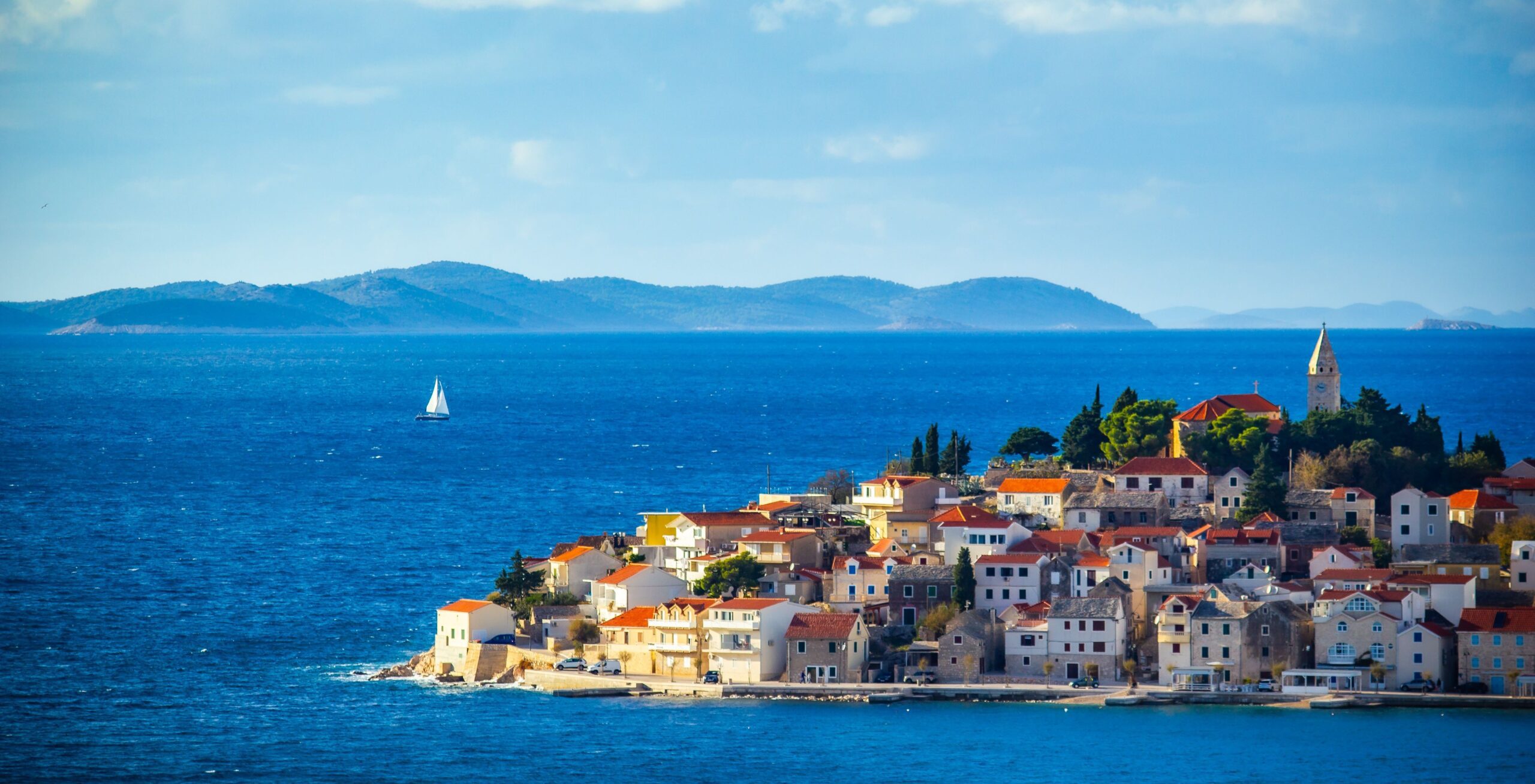
5. Croatia
Croatia’s Adriatic coast can be extremely busy during July and August. By fall, however, the experience changes considerably.
Dubrovnik is much easier to explore once the summer crowds diminish. Split and the Dalmatian islands can also be appealing, particularly early in the fall when the sea is still warm.
If you’re interested in visiting Croatia primarily for sightseeing, fall may actually be preferable to summer. You won’t have to contend with the same heat and crowds while walking around historic cities.
Why go in fall: Pleasant Mediterranean weather, quieter historic cities and a more relaxed coastal experience.

6. Turkey
Turkey is one of the most interesting value destinations in Europe and the Middle East. Istanbul is particularly good in fall, when the weather is generally more comfortable for exploring the city’s enormous collection of historic sites, markets and neighborhoods.
The Mediterranean and Aegean coasts can remain warm well into fall. Antalya, Bodrum and surrounding areas offer beaches and resorts, while Cappadocia provides a completely different experience.
Another advantage is the variety of accommodations available. Travelers can choose from inexpensive local hotels to high-end resorts, making it easier to tailor a trip to a particular budget.
Why go in fall: Good weather, outstanding food and culture, and relatively strong value compared with many Western European destinations.
7. Japan
Japan’s fall season is famous for colorful foliage, but there’s another reason to consider visiting: the weather.
Tokyo, Kyoto and Osaka are generally much more comfortable for walking than during the hot and humid summer. Fall also brings excellent seasonal food, from mushrooms and seafood to regional specialties.
The catch is that foliage season itself can bring significant demand, particularly in Kyoto and other famous viewing areas. Travelers primarily interested in lower prices should consider visiting earlier in the fall rather than targeting the exact peak foliage dates.
Why go in fall: Comfortable weather, spectacular scenery and outstanding seasonal cuisine.
8. Morocco
Morocco can be uncomfortably hot during parts of the summer, especially in inland cities. Fall offers a much more comfortable opportunity to explore Marrakech, Fez and other destinations.
Marrakech is particularly appealing for a short trip. You can spend several days exploring the medina, shopping in the souks, eating Moroccan food and staying in a traditional riad.
The country also works well for travelers who want variety. A single trip can include historic cities, mountains, desert landscapes and the Atlantic coast.
Why go in fall: Cooler temperatures, excellent food and a wide range of experiences at relatively reasonable prices.
9. Mexico
Mexico offers one of the easiest ways to escape cooler fall weather in the United States.
Cancun and the Riviera Maya are obvious choices for beaches and resorts, while Mexico City offers food, museums, architecture and a completely different travel experience.
Puerto Vallarta is another possibility, especially for travelers who want a combination of beaches, restaurants and a walkable downtown.
Fall does come with a weather consideration: the Atlantic and Caribbean hurricane season extends through November. That doesn’t mean you should avoid Mexico, but flexible reservations and travel insurance can be worthwhile.
Why go in fall: Warm weather, excellent food and a wide range of accommodation options.

10. Costa Rica
Costa Rica is a particularly interesting fall destination because the country’s weather varies significantly by region.
The Pacific coast can be wetter during the traditional rainy season, but that can also mean fewer tourists and lower prices. The Caribbean side follows a different weather pattern and can offer better conditions at certain times.
Fall travelers should therefore choose their destination based on the weather they want rather than simply searching for “Costa Rica.”
If you don’t mind occasional rain, the rewards can include lush landscapes, waterfalls, wildlife and significantly smaller crowds.
Why go in fall: Lower-season pricing, fewer visitors and spectacular green landscapes.
How to Get the Best Fall Travel Deals
The biggest mistake travelers make is assuming that every destination becomes inexpensive as soon as summer ends.
Prices can actually increase during specific fall events. New York during major events, Munich during Oktoberfest and popular European cities during peak foliage periods are examples of destinations where demand can remain high.
Instead, look for destinations where demand genuinely declines after summer.
Traveling Sunday through Thursday can also help reduce hotel costs. And if your schedule is flexible, compare several weeks rather than locking yourself into a single weekend.
Another useful strategy is to compare nearby airports. A slightly longer drive or train ride can sometimes produce a meaningful airfare difference.
Consider September, October and November Separately
“Fall” is a broad travel season, and conditions can change dramatically from one month to the next.
September is often ideal for Mediterranean destinations because the sea remains warm while the worst summer crowds begin to decline.
October is one of the best all-around months for European city trips. Temperatures are generally comfortable, and many destinations are noticeably quieter than in summer.
November is better for destinations where you want warmth, such as Mexico, parts of southern Spain, Morocco and some areas of Southeast Asia. Northern Europe can be cold and increasingly wet by this point.
The best destination therefore depends partly on when during fall you plan to travel.
Search Vacation Homes

The Bottom Line
Fall is an excellent travel season if you’re willing to look beyond the obvious summer destinations.
Portugal, Greece, Italy, Spain and Croatia can provide a more comfortable European vacation after the summer rush. Turkey and Morocco offer particularly interesting combinations of culture, food and value. Japan delivers comfortable sightseeing and spectacular seasonal scenery, while Mexico and Costa Rica provide warmer-weather alternatives.
The key is to look for the combination of weather, crowds and prices, rather than assuming that a destination is automatically a bargain simply because it’s no longer summer.
For travelers with flexible dates, fall can be one of the best opportunities of the year to get more vacation for your money.