

Peak-season travel has its advantages, but it also comes with a price. Flights can be more expensive, hotels fill up quickly, famous attractions are packed, and restaurant reservations can become a daily challenge.
That is why experienced travelers often look to the shoulder season—the periods just before or after a destination’s busiest travel months.
Shoulder season can offer an appealing combination of milder weather, smaller crowds, better hotel rates, and a more relaxed travel experience. You may also find that locals have more time to interact with visitors and that popular attractions are far easier to enjoy.
From Mediterranean favorites like Portugal and Greece to long-haul adventures in Japan and Peru, here are 15 of the best shoulder-season destinations to consider for your next trip.
1. Portugal
Best shoulder season: April–May and September–October
Portugal is one of Europe’s best shoulder-season destinations, particularly if you want sunshine, great food, beautiful scenery, and relatively affordable prices.
Lisbon and Porto are wonderful in spring and early fall, when temperatures are generally more comfortable for walking than during the hottest summer months. The Algarve is also appealing outside the peak summer period, with beaches that are noticeably quieter.
September and October can be especially attractive. The summer crowds begin to disappear, while the weather often remains warm enough for outdoor dining and coastal exploration.
Why go: Great food, wine, historic cities, beaches, and excellent value.
2. Greece
Best shoulder season: May–June and September–October
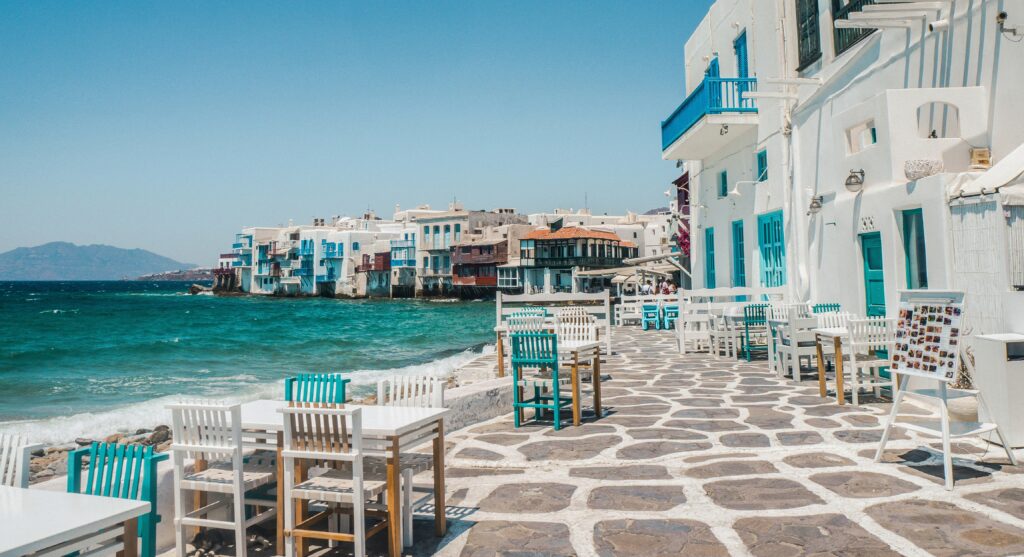
Greece is spectacular during summer, but July and August can bring intense heat, packed ferries, crowded beaches, and high accommodation prices.
Traveling in May, June, September, or early October can provide a much more relaxed experience.
September is particularly appealing for the Greek islands. The sea remains warm, restaurants and hotels are still operating, and the biggest summer crowds have begun to disappear.
Athens is also much easier to explore when temperatures aren’t at their summer peak.
Why go: Islands, ancient history, beaches, Greek cuisine, and Mediterranean sunshine.

3. Italy
Best shoulder season: April–May and September–October
Italy is a perennial favorite, but the experience can change dramatically depending on when you visit.
Rome, Florence, Venice, and the Amalfi Coast can become extremely busy during the summer. Shoulder season offers an opportunity to experience these destinations with fewer tourists and, in many cases, better accommodation prices.
Spring brings pleasant temperatures and blooming landscapes, while September and October can be particularly wonderful for food and wine trips.
For travelers willing to adjust their schedules, Italy’s shoulder season may offer a much better balance between weather and crowds.
Why go: Art, history, food, wine, architecture, and unforgettable landscapes.
4. Croatia
Best shoulder season: May–June and September
Croatia’s Adriatic coast has become one of Europe’s hottest destinations, especially Dubrovnik and Split.
That popularity can make July and August crowded and expensive.
Traveling in May, June, or September gives you a chance to explore the historic cities, islands, and coastline without quite as much congestion.
September is particularly attractive because the Adriatic Sea is still warm after the summer, while many of the biggest crowds have departed.
Why go: Beautiful coastline, islands, historic towns, and crystal-clear water.
5. Spain
Best shoulder season: April–May and September–October
Spain is another destination where timing can make a significant difference.
Barcelona, Madrid, Seville, Valencia, and the Costa del Sol can become crowded during peak summer. Spring and early fall often bring more comfortable temperatures for sightseeing.
September is especially appealing along the Mediterranean coast. Beach destinations remain lively, but the most intense summer crowds begin to thin.
For city travelers, spring can be excellent for walking tours, outdoor dining, museums, and historic neighborhoods.
Why go: World-class food, vibrant cities, beaches, architecture, and nightlife.
6. Turkey
Best shoulder season: April–May and September–October
Turkey offers tremendous variety, from Istanbul’s historic neighborhoods to the beaches of the Turkish Riviera and the otherworldly landscapes of Cappadocia.
Spring and fall are ideal for exploring Istanbul on foot, when the weather is generally more comfortable than during the hottest part of summer.
September and October can also be excellent for coastal destinations such as Antalya and Bodrum.
Turkey’s combination of culture, cuisine, history, and value makes it one of the most interesting shoulder-season destinations in Europe and the Mediterranean.
Why go: Incredible food, ancient history, Istanbul, beaches, and excellent value.
7. Morocco
Best shoulder season: March–May and September–November
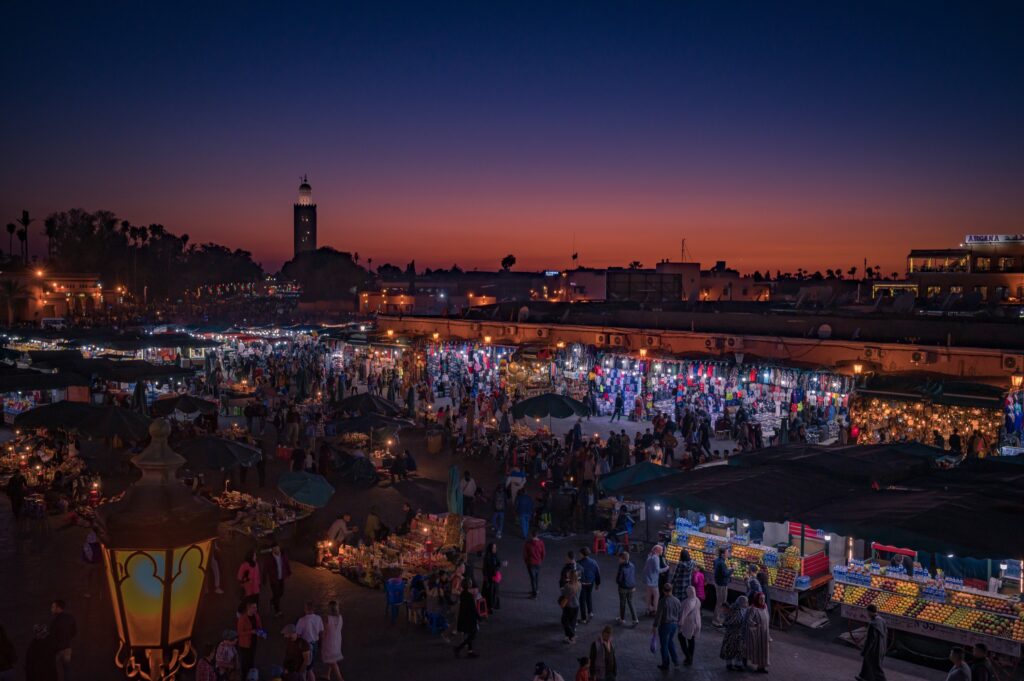
Morocco can become very hot during the summer, particularly in inland cities such as Marrakech.
Spring and fall provide better conditions for exploring the country’s medinas, markets, palaces, and desert landscapes.
Marrakech is particularly enjoyable in spring, while fall is an excellent time for combining the cities with the Atlas Mountains or a Sahara Desert excursion.
Shoulder season also makes spending time outdoors considerably more comfortable.
Why go: Markets, architecture, Moroccan cuisine, desert adventures, and fascinating culture.
Explore Area Hotels

8. Japan
Best shoulder season: Late October–November
Japan’s famous cherry blossom season attracts enormous numbers of visitors, while summer can be hot and humid.
Late October and November offer a compelling alternative.
Autumn foliage transforms destinations such as Kyoto, Tokyo, and the Japanese Alps, creating spectacular scenery without the same springtime frenzy.
Fall is also an excellent time to explore Japan’s food scene, temples, gardens, and historic neighborhoods.
Why go: Autumn foliage, incredible food, temples, culture, technology, and unforgettable cities.
9. Peru
Best shoulder season: April–May and September–October
Peru is an excellent destination for travelers who want a combination of culture, food, history, and adventure.
Lima is particularly appealing for food lovers, with its renowned restaurants and Pacific-coast setting. Travelers can then continue to Cusco and Machu Picchu.
April and May can be attractive after the wetter months, while September and October offer another opportunity before the wetter season arrives.
The shoulder season can also provide a more comfortable experience at major attractions.
Why go: Machu Picchu, incredible cuisine, Andes scenery, history, and adventure.

10. Costa Rica
Best shoulder season: May–June and November
Costa Rica’s peak dry season generally brings the most predictable weather—and the highest demand.
The shoulder periods can provide a different experience.
May and June are part of the transition toward the wetter season, while November marks the transition back toward drier conditions. You may encounter rain, but the country remains remarkably lush.
For travelers interested in rainforests, wildlife, waterfalls, and outdoor adventures, this can be a worthwhile trade-off for potentially lower prices and fewer visitors.
Why go: Wildlife, rainforests, beaches, volcanoes, and adventure.
11. Mexico
Best shoulder season: April–May and October–November
Mexico is a huge country, so weather varies considerably by region. Nevertheless, spring and fall can be excellent times for many popular destinations.
Mexico City is particularly enjoyable when temperatures are comfortable for exploring museums, neighborhoods, restaurants, and historic sites.
Along the Caribbean coast, October and November can provide an opportunity to visit before the busiest winter period, although travelers should keep hurricane-season weather in mind.
Why go: Incredible cuisine, beaches, culture, history, and affordability.
12. Iceland
Best shoulder season: September–October
Iceland’s summer months provide long days and easy access to many attractions, but they also attract large numbers of visitors.
September can offer a particularly appealing compromise.
You still have reasonable daylight for sightseeing, while crowds begin to decline. The changing light and early autumn landscapes can make the country’s waterfalls, volcanic landscapes, and black-sand beaches even more dramatic.
By late September, travelers may also have opportunities to see the Northern Lights.
Why go: Waterfalls, volcanoes, glaciers, dramatic landscapes, and the Northern Lights.
13. Ireland
Best shoulder season: April–May and September–October
Ireland’s famously unpredictable weather shouldn’t discourage travelers from visiting outside the summer.
Spring and early fall can be excellent for road trips, particularly if you want to experience the country’s spectacular scenery without peak-season traffic.
The Cliffs of Moher, Ring of Kerry, Galway, Cork, and the Wild Atlantic Way are all easier to appreciate when you’re not sharing every viewpoint with busloads of tourists.
Bring layers and a rain jacket—and embrace the Irish weather.
Why go: Scenic drives, castles, pubs, dramatic coastlines, and welcoming towns.
14. Malta
Best shoulder season: April–May and October
Malta is one of Europe’s most underrated warm-weather destinations.
Summer can be extremely hot and busy, particularly around popular beaches and historic attractions. Spring and October offer a more comfortable environment for sightseeing.
The country’s compact size makes it particularly easy to explore. You can combine historic Valletta with ancient temples, coastal villages, swimming spots, and day trips to Gozo.
For travelers looking for Mediterranean scenery without the crowds of some of the larger islands, Malta is worth considering.
Why go: History, Mediterranean scenery, swimming, architecture, and sunshine.

15. Thailand
Best shoulder season: November and late April–May, depending on region
Thailand is one of Southeast Asia’s most popular destinations, but its weather patterns vary significantly from one region to another.
November can be an excellent month in many areas as the rainy season winds down, while late April and May can offer fewer visitors before the peak summer travel period.
Bangkok is a fantastic starting point for food and culture, while travelers can continue to destinations such as Chiang Mai or Thailand’s famous islands and beaches.
Because Thailand’s regional weather patterns differ, check conditions for your specific destination before booking.
Why go: Street food, beaches, temples, nightlife, culture, and exceptional value.
Why Shoulder Season Travel Is Worth Considering
The biggest advantage of shoulder season isn’t necessarily saving money. It’s the overall quality of the experience.
A destination can feel completely different when you’re not competing with thousands of other travelers.
You might spend less time waiting in lines, find restaurant reservations more easily, walk through historic neighborhoods without crowds, and have more flexibility when choosing hotels.
There can also be a significant difference in accommodation prices between peak and shoulder periods, particularly in destinations where summer represents the primary tourist season.
How to Choose the Right Shoulder Season
There’s one important catch: shoulder season doesn’t guarantee perfect weather.
That’s why it’s important to research the specific destination before booking.
For example, November in one country might mean beautiful weather, while November somewhere else could be the height of the rainy season.
Before booking, look at:
- Average temperatures
- Rainfall
- Hurricane or storm seasons
- Hotel and flight prices
- Attraction opening hours
- Ferry and transportation schedules
- Seasonal events and festivals
If you can tolerate a little uncertainty with the weather, the potential rewards can be significant.
Explore Area Hotels
The Bottom Line
Shoulder season is one of the smartest ways to approach international travel. Instead of paying the highest prices and battling peak-season crowds, you can often find a better balance of weather, cost, and atmosphere.
Portugal, Greece, Italy, Croatia, Spain, Turkey, Morocco, Japan, Peru, Costa Rica, Mexico, Iceland, Ireland, Malta, and Thailand all offer compelling reasons to travel outside their busiest periods.
The key is choosing the right month for the specific destination.
For travelers who value experiences more than checking a box during the busiest possible week of the year, shoulder season may be the sweet spot—and it could turn your next vacation into a more relaxed, affordable, and memorable trip.