

Lima is a city that rewards travelers who come hungry.
Peru’s capital has become one of the world’s great culinary destinations, blending Indigenous ingredients and traditions with Spanish, African, Chinese, Japanese, and other immigrant influences. The result is a food scene that ranges from sophisticated tasting menus to bustling cevicherías and neighborhood markets.
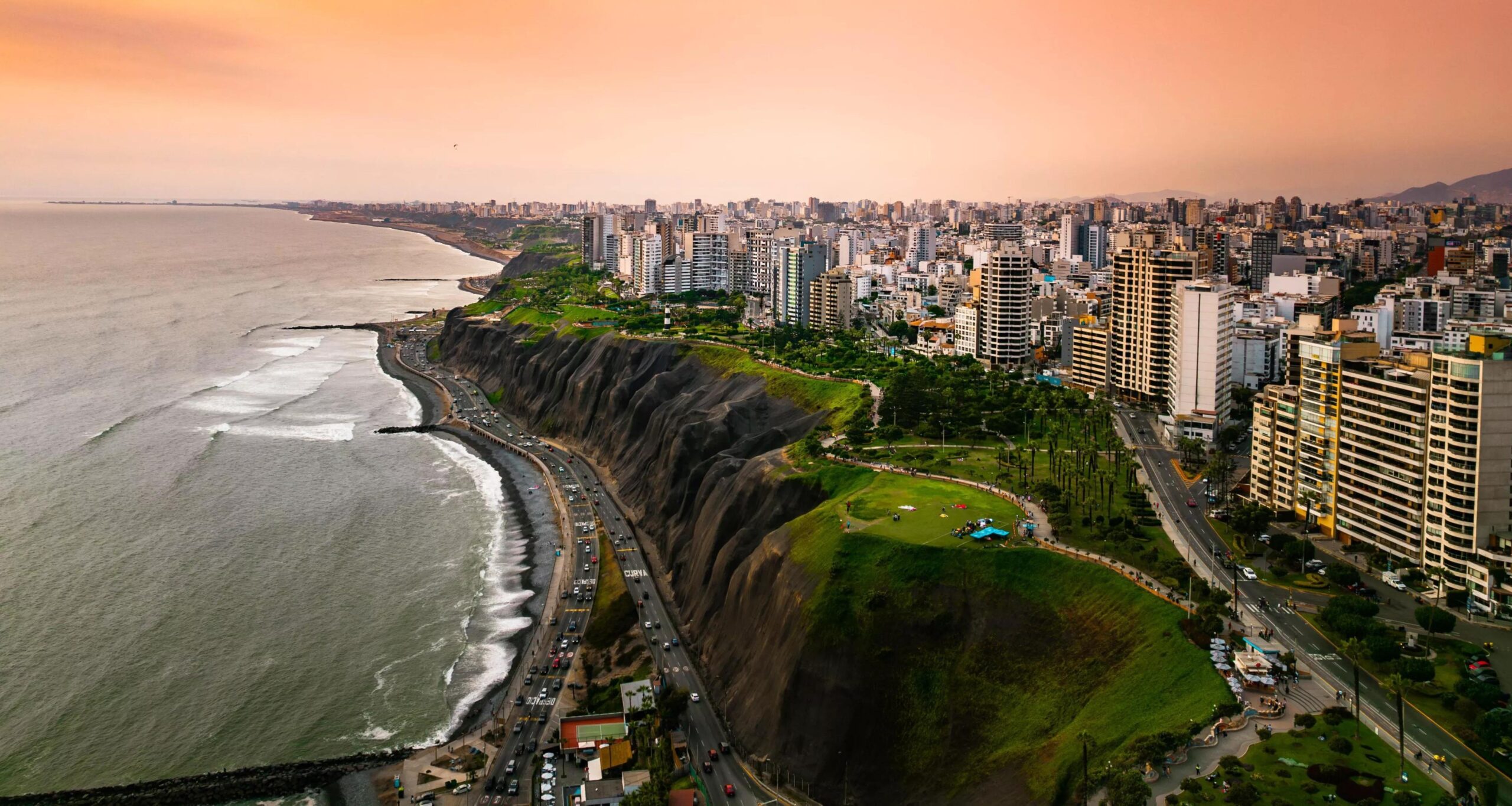
But Lima is more than food. Its Pacific coastline, colonial architecture, colorful neighborhoods, archaeological sites, and vibrant nightlife make it one of South America’s most fascinating cities.
If you have just three days in Lima, the key is to combine the city’s best culinary experiences with its historic and coastal highlights—and leave enough time for a memorable day trip.
Here’s how to spend three delicious days in Lima.
Day 1: Historic Lima, Markets & Your First Taste of Peruvian Cuisine
Start your Lima adventure in the city’s historic center, where grand colonial buildings, ornate churches, and lively plazas provide an introduction to Peru’s capital.
Morning: Explore Historic Lima
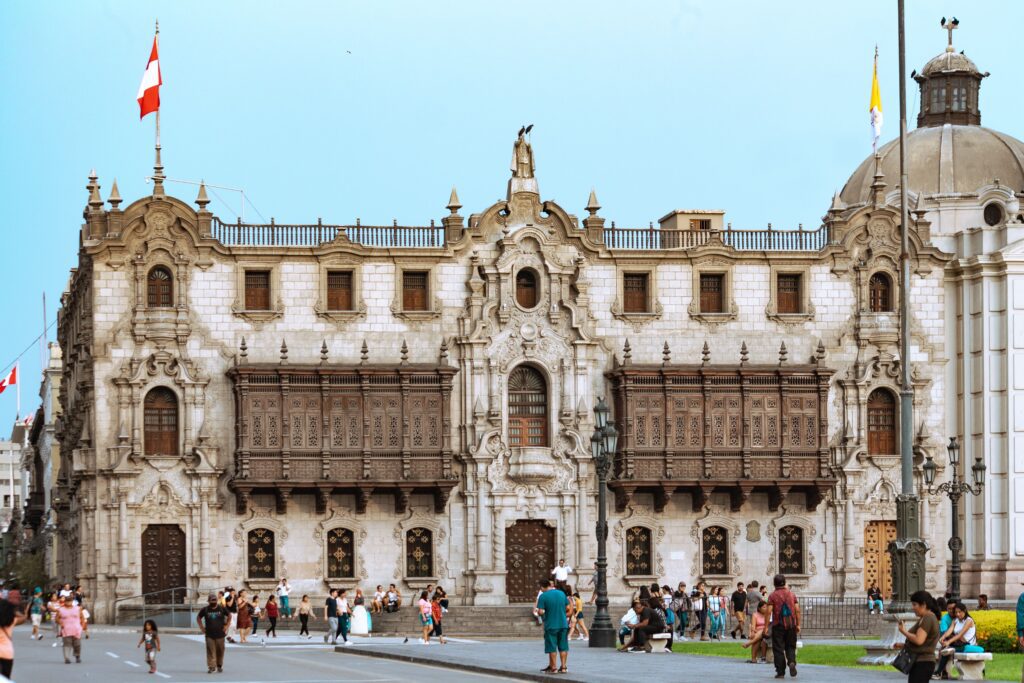
Begin at Plaza Mayor, Lima’s spectacular main square. The surrounding architecture reflects centuries of Spanish colonial influence, including the Government Palace, Archbishop’s Palace, and the impressive Cathedral of Lima.
From here, wander through the historic streets toward Convent of San Francisco. The elaborate baroque interiors are worth seeing, but the famous catacombs beneath the complex are the real draw.
Give yourself a couple of hours to explore the historic center before turning your attention to one of Lima’s greatest attractions: food.
Lunch: Discover Peruvian Classics
Lunch should be your introduction to the dishes that make Peruvian cuisine so exciting.
Start with ceviche, Peru’s signature dish. Traditionally made with fresh fish cured in lime juice and combined with red onion, chili, cilantro, and salt, ceviche is at its best when the seafood is exceptionally fresh.
Order it with choclo, large-kernel Andean corn, and camote, or sweet potato.
Another classic worth trying is causa, a layered dish made with yellow potatoes seasoned with lime and ají amarillo and filled with ingredients such as chicken, tuna, avocado, or seafood.
If you’re feeling adventurous, look for anticuchos, skewers traditionally made with marinated beef heart. They are one of Peru’s most beloved street foods.
Afternoon: Barranco or Miraflores
After lunch, head toward the coast.
If you want colorful streets, art, cafés, and a bohemian atmosphere, choose Barranco. The neighborhood is filled with colorful colonial-era buildings, galleries, boutiques, and restaurants.
Walk across the Puente de los Suspiros, or Bridge of Sighs, and continue toward the Pacific.
Alternatively, spend your afternoon in Miraflores, Lima’s polished coastal district. Walk along the Malecón de Miraflores, a clifftop promenade overlooking the Pacific Ocean.
The views become particularly beautiful as afternoon turns toward sunset.
Dinner: Lima’s Culinary Scene
For dinner, go beyond traditional Peruvian dishes and experience the city’s modern culinary movement.
Lima has restaurants that reinterpret Peruvian ingredients through contemporary techniques, while others explore the country’s Japanese-Peruvian fusion known as Nikkei cuisine.
If you want something more casual, look for a good local restaurant specializing in lomo saltado—tender strips of beef stir-fried with onions and tomatoes and served with French fries and rice.
It may sound simple, but a properly prepared lomo saltado is one of Peru’s most satisfying dishes.
Finish the evening with pisco sour, Peru’s famous cocktail made with pisco, lime juice, simple syrup, egg white, and bitters.
Explore Lima Hotels

Day 2: Markets, Food & Lima’s Pacific Coast
Day two is all about eating your way through Lima while experiencing some of the city’s most distinctive neighborhoods.
Morning: Visit a Local Market
Start early at a traditional market.
Markets are one of the best ways to understand Peru’s extraordinary culinary diversity. You’ll find tropical fruits from the Amazon, potatoes from the Andes, fresh seafood from the Pacific, peppers, herbs, grains, cheeses, and countless ingredients that rarely appear in American supermarkets.
Try some fresh fruit or a local juice, and don’t be afraid to explore the food stalls.
For travelers interested in Peruvian cuisine, the markets can be as fascinating as the city’s museums.
Late Morning: Huaca Pucllana
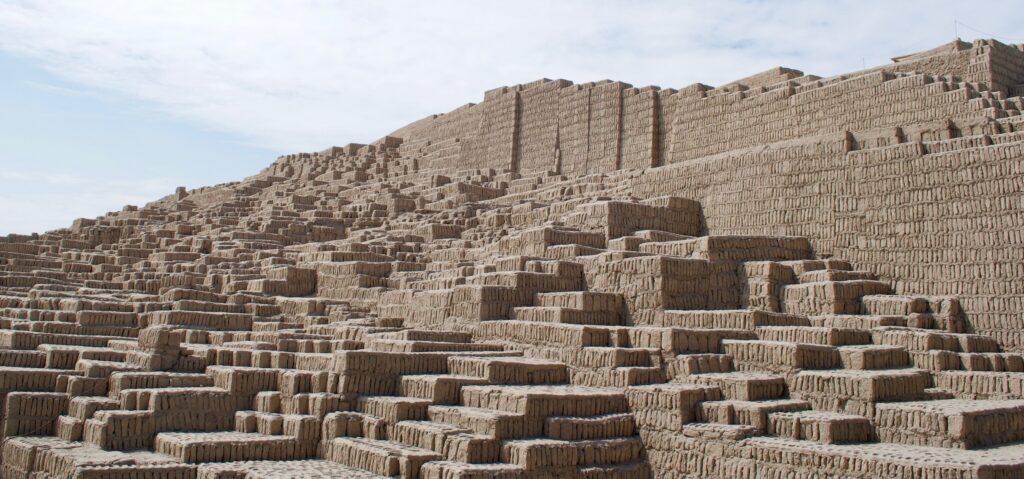
After the market, visit Huaca Pucllana, an enormous pre-Inca archaeological complex located surprisingly close to the modern buildings of Miraflores.
The site dates back more than a thousand years and demonstrates how dramatically Lima has changed over the centuries.
The contrast is extraordinary: ancient adobe pyramids sit surrounded by modern apartment buildings, restaurants, and busy city streets.

Lunch: Seafood on the Pacific
Today is the perfect day for a seafood lunch.
Try tiradito, one of Peru’s most delicious seafood preparations. Similar to Japanese sashimi but influenced by Peru’s Japanese community, tiradito features thinly sliced raw fish served with a spicy or citrus-based sauce.
Also consider arroz con mariscos, a flavorful seafood rice dish, or jalea, a platter of fried seafood usually served with onions and lime.
If you are a seafood lover, Lima can easily justify the trip by itself.
Spend the afternoon at the Larco Museum, one of Lima’s most impressive museums.
Afternoon: Larco Museum
Its collection contains thousands of artifacts from Peru’s ancient civilizations, including ceramics, textiles, gold, and other archaeological treasures.
The museum is particularly useful for travelers who want to understand Peru beyond the Spanish colonial period.
And there’s another reason to visit: the museum’s restaurant is highly regarded.
Dinner: Nikkei Cuisine
For dinner, explore Lima’s Japanese-Peruvian culinary tradition.
Nikkei cuisine developed from the Japanese immigrant community in Peru and combines Japanese techniques with Peruvian ingredients and flavors.
Think sushi with Peruvian chilies, seafood with citrus, soy-based sauces, and dishes that bridge two remarkably different culinary traditions.
It’s one of the most distinctive dining experiences you can have in South America.
Day 3: Choose Your Lima Side Trip
For your third day, you have a choice.
You can stay in Lima and explore more of its neighborhoods and restaurants, or take a side trip from Lima to experience another side of Peru.
Option 1: Paracas & the Ballestas Islands
If you want to get out of the city, Paracas is one of the most popular options.
Located several hours south of Lima, Paracas is known for its dramatic desert coastline and wildlife.
The highlight is a boat trip to the Ballestas Islands, sometimes called the “Poor Man’s Galápagos.”
The islands are home to sea lions, penguins, pelicans, cormorants, and other marine life. Seeing hundreds of sea lions gathered on rocky islands in the Pacific is an unforgettable experience.
You can combine the boat trip with a visit to the Paracas National Reserve, where desert landscapes meet the Pacific Ocean.
The scenery is spectacular, especially for travelers interested in photography.
Option 2: Huacachina & the Desert
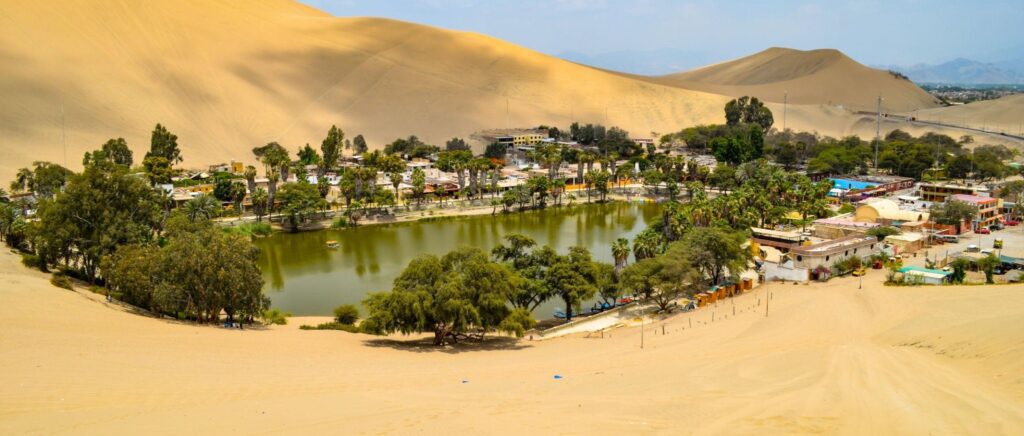
For something more adventurous, continue farther south to Huacachina, a tiny oasis surrounded by enormous sand dunes.
The landscape seems almost surreal.
The traditional experience is a dune buggy ride followed by sandboarding. Even if you aren’t interested in boarding down the dunes, the desert scenery is worth seeing.
The trip makes for a long day from Lima, but it offers a dramatically different experience from the capital.
Option 3: Pachacamac
If you prefer a shorter cultural excursion, visit Pachacamac, an enormous archaeological site south of Lima.
The ancient complex served as an important religious and ceremonial center for centuries before the arrival of the Spanish.
It’s a particularly good choice for travelers who want to explore Peru’s pre-Columbian history without committing to an all-day excursion.
Lunch: Another Peruvian Favorite
Wherever you spend the day, make lunch part of the experience.
Try ají de gallina, a creamy dish of shredded chicken flavored with yellow chili peppers, or seco de carne, a slow-cooked beef stew traditionally served with rice and beans.
And don’t forget dessert.
Peruvian sweets worth trying include suspiro a la limeña, a creamy dessert topped with meringue, and picarones, fried rings made with squash and sweet potato and served with a syrupy sauce.
Final Evening: Sunset & One Last Great Meal
Return to Lima for your final evening.
Head back to the coast around sunset. The Miraflores Malecón is particularly beautiful as the sun drops toward the Pacific.
Then make your final dinner count.
If your budget allows, Lima is the place to splurge on a destination restaurant. The city has become internationally famous for its innovative chefs and sophisticated tasting menus.
However, you don’t need to spend a fortune to eat well in Lima. Some of the city’s most memorable meals can be found in casual restaurants, cevicherías, markets, and neighborhood eateries.
For your final meal, consider ordering a combination of dishes you’ve discovered throughout your trip: ceviche, anticuchos, causa, lomo saltado, and perhaps a Nikkei-inspired seafood dish.
Pair dinner with a final pisco sour.

What to Eat in Lima: A Quick Food Guide
If you’re visiting Lima primarily for the food, make sure these dishes are on your list:
Ceviche: Fresh fish cured with lime, chili, onion, and herbs.
Lomo saltado: Stir-fried beef with onions, tomatoes, fries, and rice.
Causa: Yellow potato layered with fillings such as seafood, chicken, or avocado.
Anticuchos: Marinated skewers, traditionally made with beef heart.
Tiradito: Thinly sliced raw fish served with a flavorful citrus or chili sauce.
Ají de gallina: Shredded chicken in a creamy yellow chili sauce.
Picarones: Fried sweet-potato and squash rings served with syrup.
Pisco sour: Peru’s classic cocktail and the perfect way to end the day.
When Is the Best Time to Visit Lima?
Lima’s climate is unusual. The city is famously cloudy and gray during much of the winter, but temperatures are generally mild.
December through April is typically the warmest and sunniest period, making it particularly attractive for travelers who want to enjoy Lima’s coastal neighborhoods.
However, Lima is a year-round destination. If you’re primarily interested in food, museums, history, and restaurants, the weather doesn’t need to determine your trip.
Getting Around Lima
Lima is sprawling, and traffic can be heavy. For most visitors, rideshare services and taxis are more practical than trying to walk between distant neighborhoods.
Miraflores and Barranco are excellent areas to explore on foot once you arrive.
If you’re taking a side trip to Paracas, Huacachina, or Pachacamac, an organized tour or private transportation can make the day considerably easier.
Explore Lima Hotels
Where to Stay in Lima
For a first visit, Miraflores is one of the easiest neighborhoods for travelers. It offers restaurants, shopping, ocean views, hotels, and convenient access to many attractions.
Barranco is a better choice if you prefer a more artistic, bohemian atmosphere with cafés, galleries, nightlife, and colorful architecture.
Either neighborhood puts you in an excellent position to explore Lima’s culinary scene.
Three Days in Lima: The Perfect Introduction to Peru
Three days isn’t enough to experience everything Lima has to offer, but it is enough to discover why Peru’s capital deserves a place on any South American itinerary.
You’ll explore colonial Lima, ancient archaeological sites, colorful neighborhoods, and the Pacific coast. More importantly, you’ll taste the incredible range of Peruvian cuisine—from ceviche and lomo saltado to Nikkei seafood and pisco sours.
Add a side trip to Paracas and the Ballestas Islands, Huacachina’s desert dunes, or the ancient ruins of Pachacamac, and your three days become an introduction to far more than just Lima.
Come for the food, stay for the culture, and leave already planning your next trip to Peru.
Is 3 days enough for Lima?
Yes. Three days in Lima is enough to experience the city’s major historic attractions, explore neighborhoods such as Miraflores and Barranco, enjoy Peru’s outstanding cuisine, and take a day trip outside the capital. If food is a priority, three days gives you enough time to sample ceviche, lomo saltado, Nikkei cuisine, and other Peruvian specialties.
What food should I try in Lima?
Don’t leave Lima without trying ceviche, lomo saltado, causa, anticuchos, tiradito, ají de gallina, and picarones. Lima is particularly famous for seafood and Nikkei cuisine, which combines Japanese culinary techniques with Peruvian ingredients.
What is the best area to stay in Lima?
Miraflores is an excellent choice for first-time visitors because of its restaurants, hotels, shopping, coastal walking paths, and convenient location. Barranco is another great option if you prefer an artsy neighborhood with colorful streets, cafés, galleries, and nightlife.
What are the best day trips from Lima?
Popular day trips include Paracas and the Ballestas Islands, Huacachina, and the ancient archaeological complex of Pachacamac. Paracas is particularly appealing for wildlife and coastal scenery, while Huacachina is best for desert adventures and sandboarding.
Is Lima worth visiting for food?
Absolutely. Lima is one of the world’s most exciting culinary destinations. Its food combines Indigenous Peruvian traditions with Spanish