
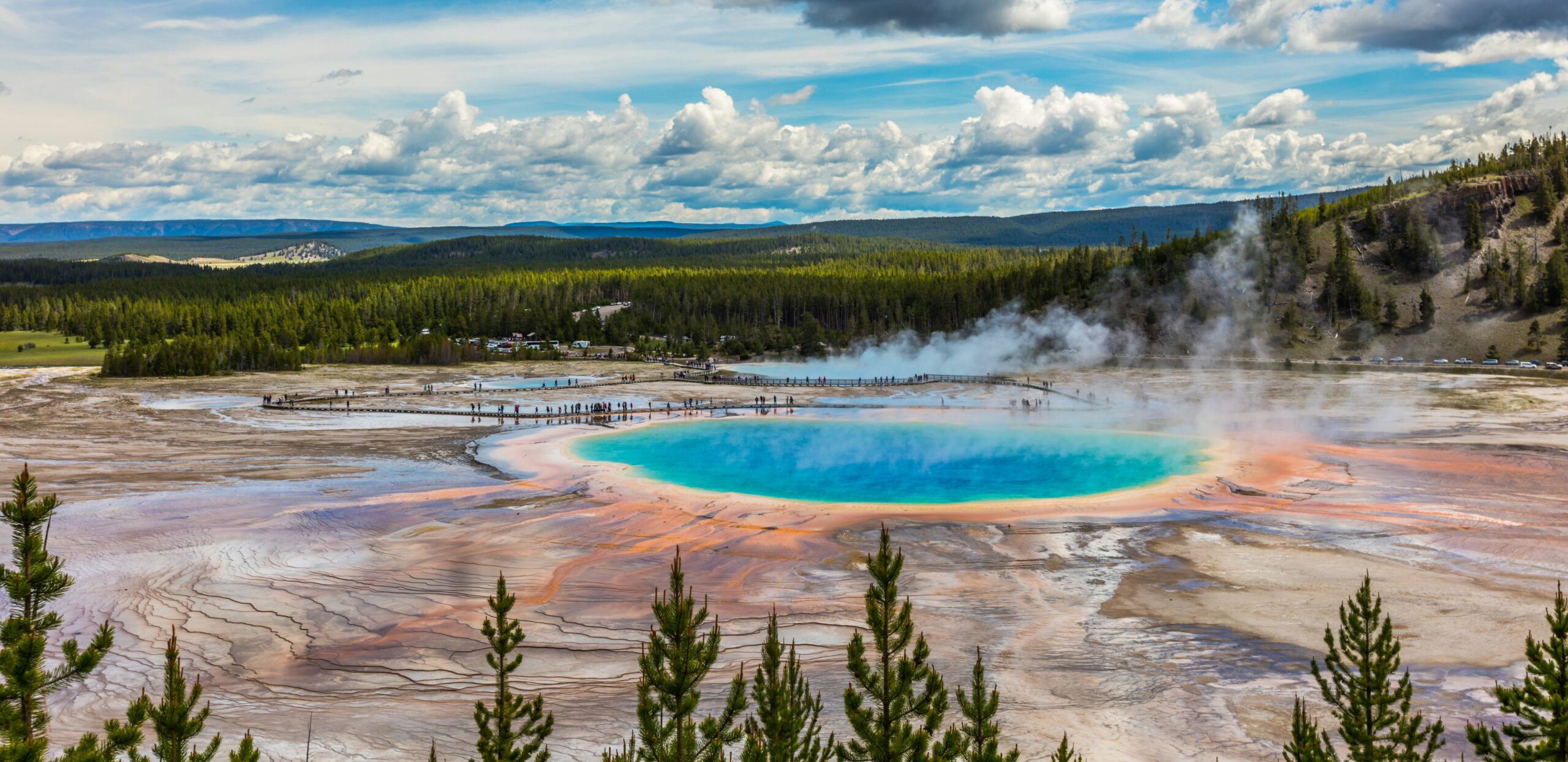
Why Early Summer is the Sweet Spot for National Parks
Early summer offers a unique window for travelers looking to explore national parks at their best. The weather is generally mild, wildlife is active, landscapes are lush from spring runoff, and—perhaps most importantly—crowds are still manageable compared to the peak travel months of July and August. For outdoorsy travelers, this period delivers the perfect balance between accessibility and serenity.
From roaring waterfalls to emerging wildlife and vibrant alpine scenery, early summer provides an immersive experience that’s difficult to replicate later in the season. Below, we explore three iconic national parks that truly shine during this time of year.
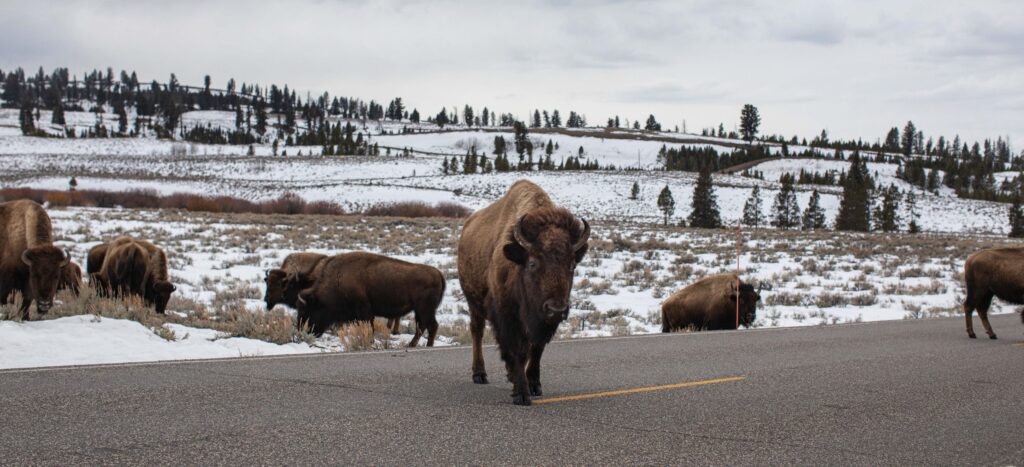
Yellowstone National Park: Wildlife Encounters and Wide-Open Spaces
Yellowstone National Park is one of the most dynamic and diverse ecosystems in North America, and early summer is arguably the best time to experience its raw beauty. As the snow begins to melt and temperatures rise, the park comes alive with activity.
Wildlife viewing is exceptional during this time. Bison calves, often called “red dogs” for their orange hue, are visible across the plains. Elk, wolves, and bears are also more active, taking advantage of the abundance of food. Early mornings and evenings offer the best opportunities to spot these animals in their natural habitat.
Another advantage of visiting Yellowstone in early summer is the reduced crowd levels. While the park is never empty, it’s noticeably less congested than in July, allowing for a more peaceful experience at major attractions like Old Faithful and the Grand Prismatic Spring.
The landscape itself is equally captivating. Snowmelt feeds rivers and waterfalls, creating powerful flows that add drama to the scenery. Hiking trails at lower elevations are typically accessible, offering a range of options for all skill levels.
Travel Tip: Be prepared for variable weather. Even in early summer, temperatures can fluctuate, so layering is essential.
Explore Area Hotels

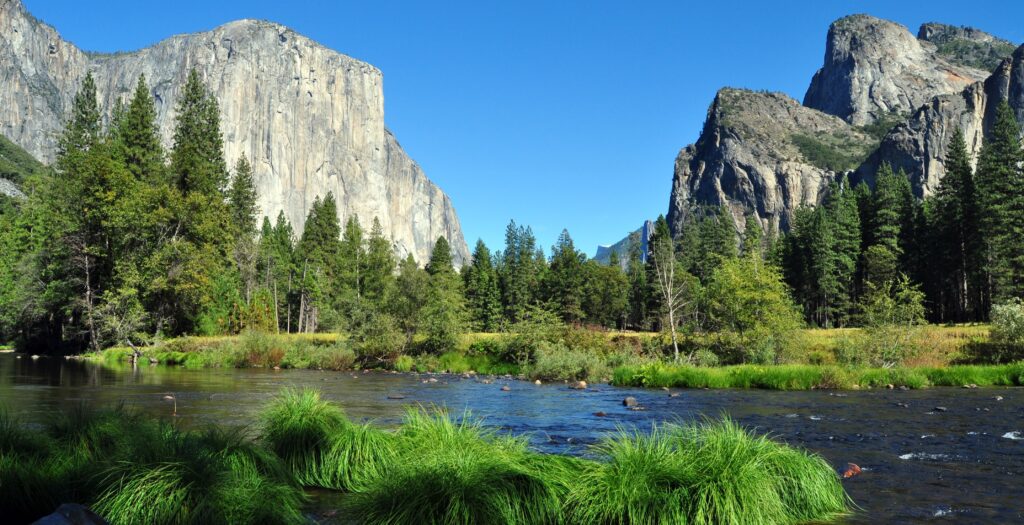
Yosemite National Park: Waterfalls at Their Peak
Yosemite National Park is synonymous with towering granite cliffs, giant sequoias, and breathtaking waterfalls. Early summer is when those waterfalls are at their most impressive, thanks to the snowmelt from the Sierra Nevada.
Yosemite Falls, Bridalveil Fall, and Vernal Fall all reach peak flow during this time, creating a sensory experience that combines sight, sound, and mist. The sheer power of the water cascading down the cliffs is something that photos simply cannot capture.
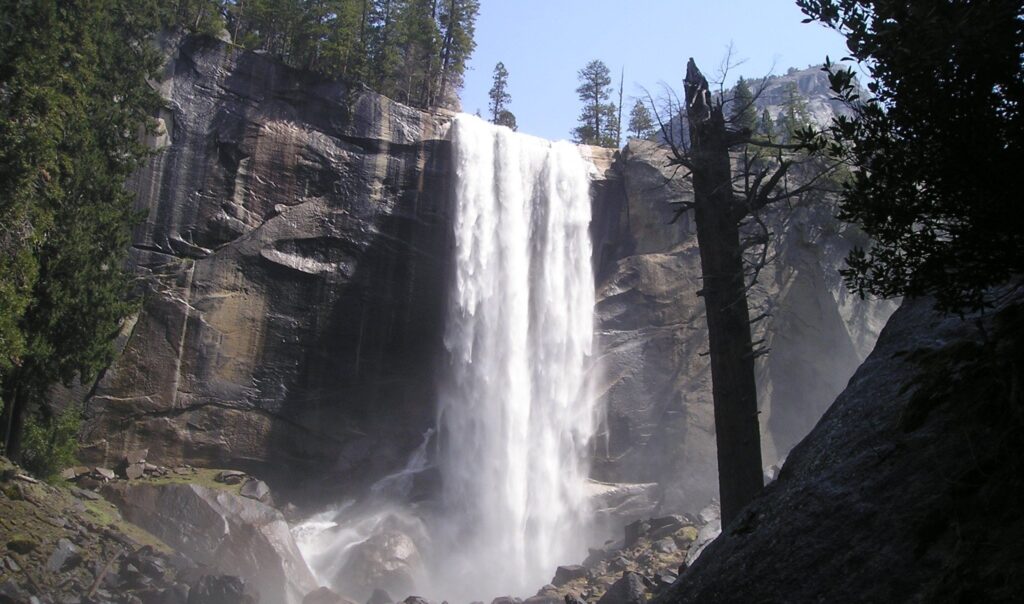
In addition to the waterfalls, the valley floor is lush and green, dotted with wildflowers that add vibrant color to the landscape. Hiking trails such as the Mist Trail and Mirror Lake Trail are particularly rewarding in early summer.
Crowds are present but still manageable compared to the height of summer. Arriving early in the day or exploring less-visited areas of the park can help you avoid congestion.
Travel Tip: Some higher elevation areas, like Tioga Pass, may still be closed due to snow in early summer, so plan your itinerary accordingly.
Explore Area Hotels
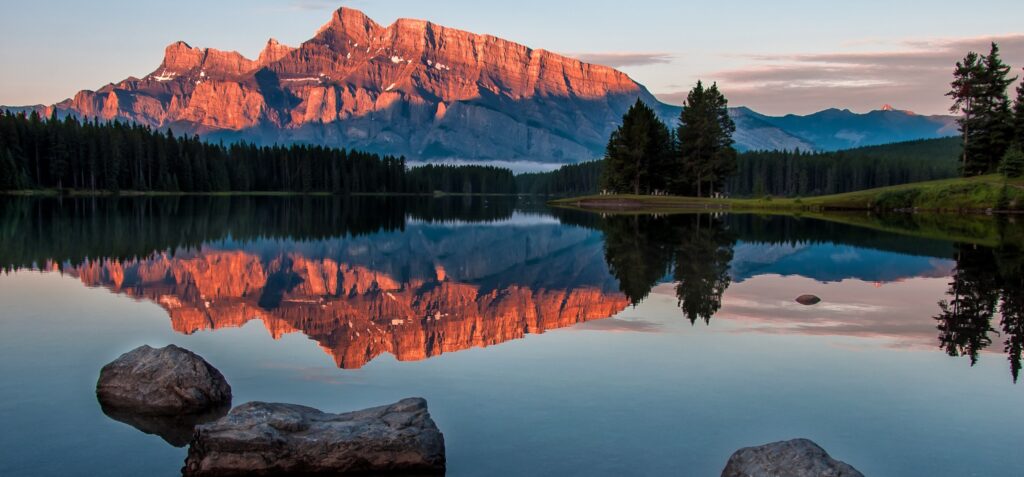
Banff National Park: Turquoise Lakes and Alpine Awakening
Located in the Canadian Rockies, Banff National Park offers a different kind of early summer magic. As temperatures rise, the park’s iconic turquoise lakes begin to thaw, revealing their striking color caused by glacial rock flour suspended in the water.
Lake Louise and Moraine Lake are among the most photographed locations in the world, and early summer is when they start to show their full beauty. While some ice may still linger, it often adds to the visual appeal rather than detracting from it.
The surrounding mountains, still capped with snow, create a dramatic contrast against the vibrant lakes and green valleys. Wildlife such as deer, elk, and bears are also active, making it a great time for nature enthusiasts.
Hiking opportunities expand as trails become accessible, though some higher altitude routes may still be snow-covered. This transitional period adds an element of adventure for those willing to explore.
Travel Tip: Weather can change quickly in the mountains, so come prepared with proper gear and check trail conditions before heading out.
Planning Your Early Summer National Park Trip
When planning a trip to national parks in early summer, a few key considerations can make a big difference in your experience.
First, timing is everything. Early June often offers the best balance between accessibility and fewer crowds. By late June, schools begin to break for summer, and visitor numbers increase significantly.
Second, reservations are increasingly required for accommodations and, in some cases, park entry. Booking early ensures you secure your preferred lodging and avoids last-minute stress.
Third, pack appropriately. Layered clothing, sturdy footwear, and rain gear are essential, as weather conditions can vary widely even within a single day.
Finally, respect the environment. National parks are protected for a reason, and responsible travel helps preserve their beauty for future generations. Stay on designated trails, keep a safe distance from wildlife, and follow all park guidelines.
Search Vacation Homes

Final Thoughts
Early summer is one of the most rewarding times to visit national parks. Whether you’re watching wildlife roam freely in Yellowstone, standing in awe of Yosemite’s powerful waterfalls, or admiring the turquoise lakes of Banff, this season offers unforgettable experiences.
For travelers seeking adventure, beauty, and a touch of tranquility, these destinations provide the perfect escape before the peak summer crowds arrive. With thoughtful planning and a spirit of exploration, an early summer trip to these iconic parks can become a highlight of your travel year.