
Introduction
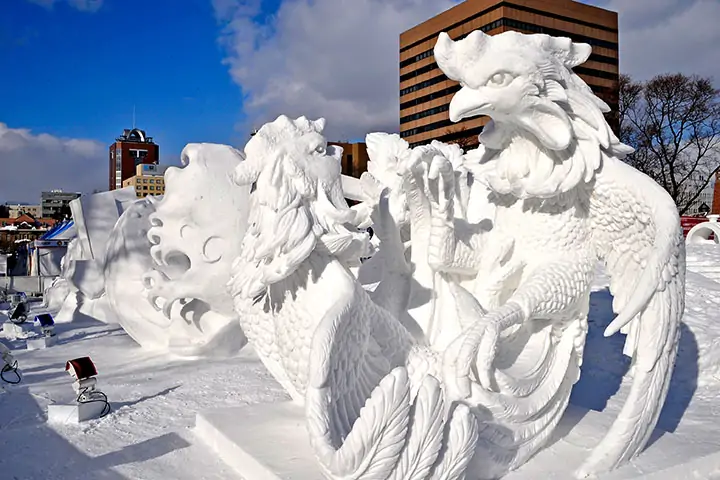
Every winter, Sapporo transforms into a dreamscape of ice and snow. In 2026, from February 4 to 11, the city again invites visitors to witness the magical Sapporo Snow Festival. This event draws travelers from around the globe who want to experience towering sculptures and dazzling nightly illuminations.
A Brief History of the Festival
The Sapporo Snow Festival began in 1950 when local students built six snow statues in Odori Park. Over the decades, it has grown into an international celebration that spans several city sites. Moreover, the International Snow Sculpture Contest now attracts teams from many countries, showcasing remarkable creativity and scale.
Where to Go: The Three Main Venues
Odori Park
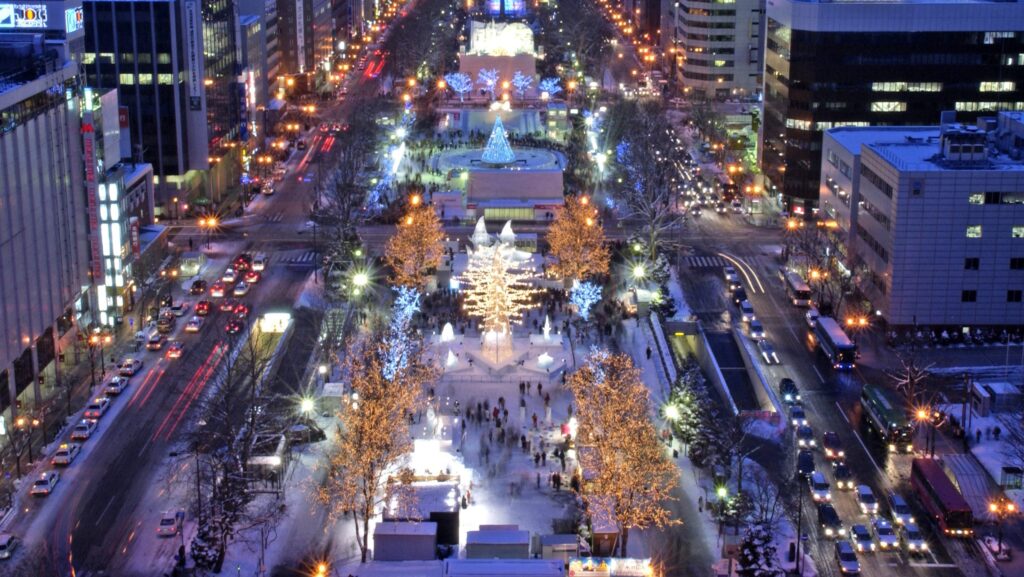
Odori Park is the festival’s heart: a 1.5-kilometer stretch filled with massive snow monuments. Daytime visits reveal the sculptures’ scale, and at night they glow with colorful lights, creating a surreal atmosphere.
Tsudome (Community Dome)
Tsudome is family-friendly, featuring giant snow slides, mazes, and snow-play areas. It’s especially popular with children and anyone who wants interactive winter fun.
Susukino Ice Sculptures
Susukino, Sapporo’s nightlife district, specializes in delicate ice carving rather than large snow blocks. At night, detailed ice sculptures shimmer under lights and visitors can enjoy nearby food stalls and bars.
Explore Sapporo Hotels

What’s New & Special in 2026
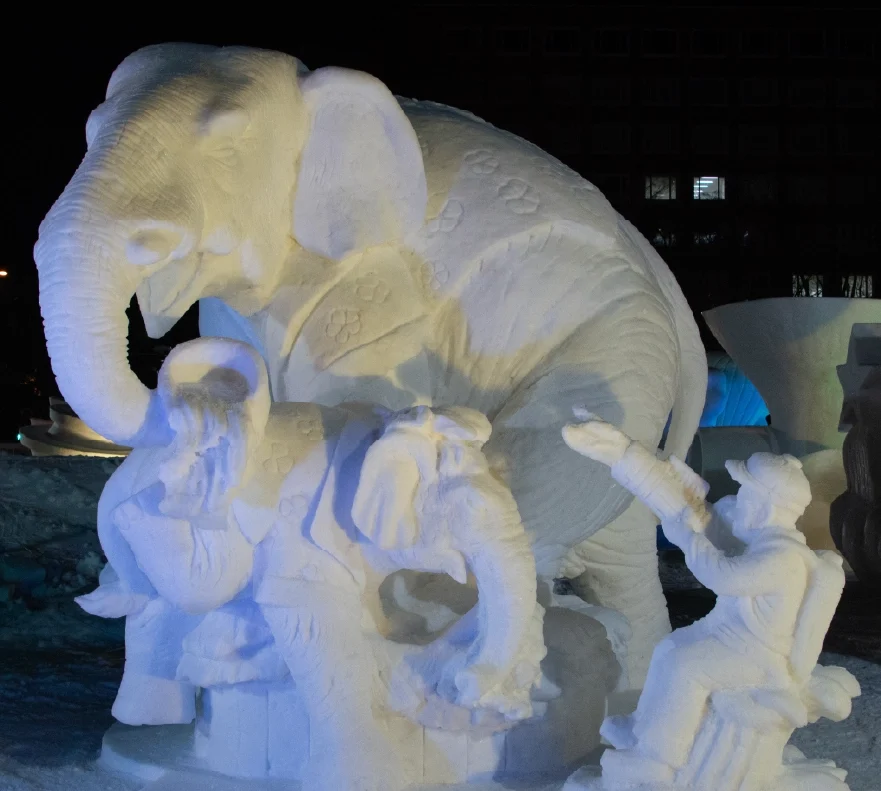
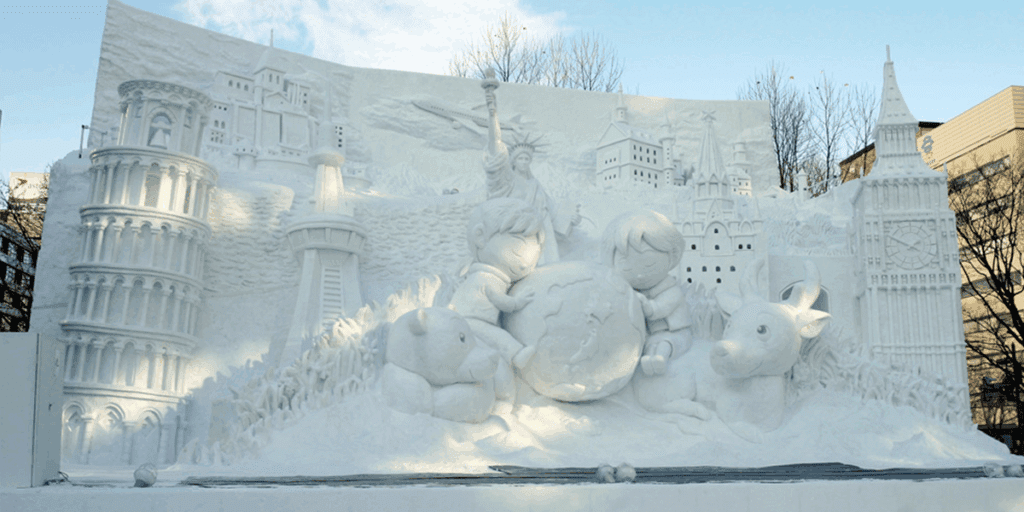
In 2026, the festival balances monumental snow creations with precise, artistic pieces from both local and international sculptors. Some large works are constructed using heavy machinery and scaffolding, which demonstrates the engineering behind the artistry.
At night, several sculptures will host projection mapping shows that turn still forms into moving canvases. Consequently, these displays are particularly magical when light snow falls, adding motion and atmosphere to the scene.
International Sculpture Contest
The International Snow Sculpture Contest at Odori Park (11-chome) remains a festival highlight. Teams work on massive blocks of snow and visitors can watch techniques develop over several days. In addition, the contest fosters global cultural exchange through art.
Tips for Travelers
Getting There & Around
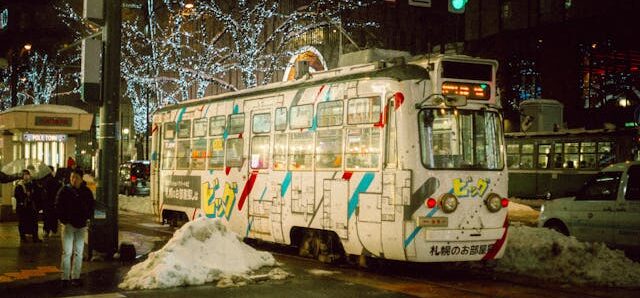
Odori is easily reached by subway; Tsudome requires a short trip outside the core; and Susukino is best seen after dark. Plan transport in advance to make the most of each site.
What to Wear
Bundle up with thermal layers, a waterproof outer layer, warm boots, gloves, hat, and scarf. Also bring a camera or good smartphone because the contrasts of light and snow photograph beautifully.
Food & Warm-Up Spots
Food stalls at each site sell Hokkaido specialties like ramen and local seafood. They’re perfect for warming your hands and your spirits between sightseeing stops.
Best Times to Visit
Daytime visits are ideal for detail and scale; evenings offer the illuminated shows and projection mapping. If feasible, try to go mid-week to avoid the biggest crowds.
Why the 2026 Festival Is a Must-See
The Sapporo Snow Festival is not only a display of snow and ice but a celebration of artistry and community. Whether you go for the monumental sculptures or for the family fun at Tsudome, the event always delivers memorable winter magic.
Explore Sapporo Hotels
The 2026 Sapporo Snow Festival promises to be an unforgettable display of scale and artistry. Plan ahead, dress warmly, and enjoy the sculptures by day and the projections by night. Finally, don’t forget to pause and simply take in the moment — it’s winter travel at its most magical.
For more Winter events check out The Winter Spectacle: 2026 Winter Olympics in Milan & Cortina d’Ampezzo