
A Winter Wonderland in the Heart of Europe
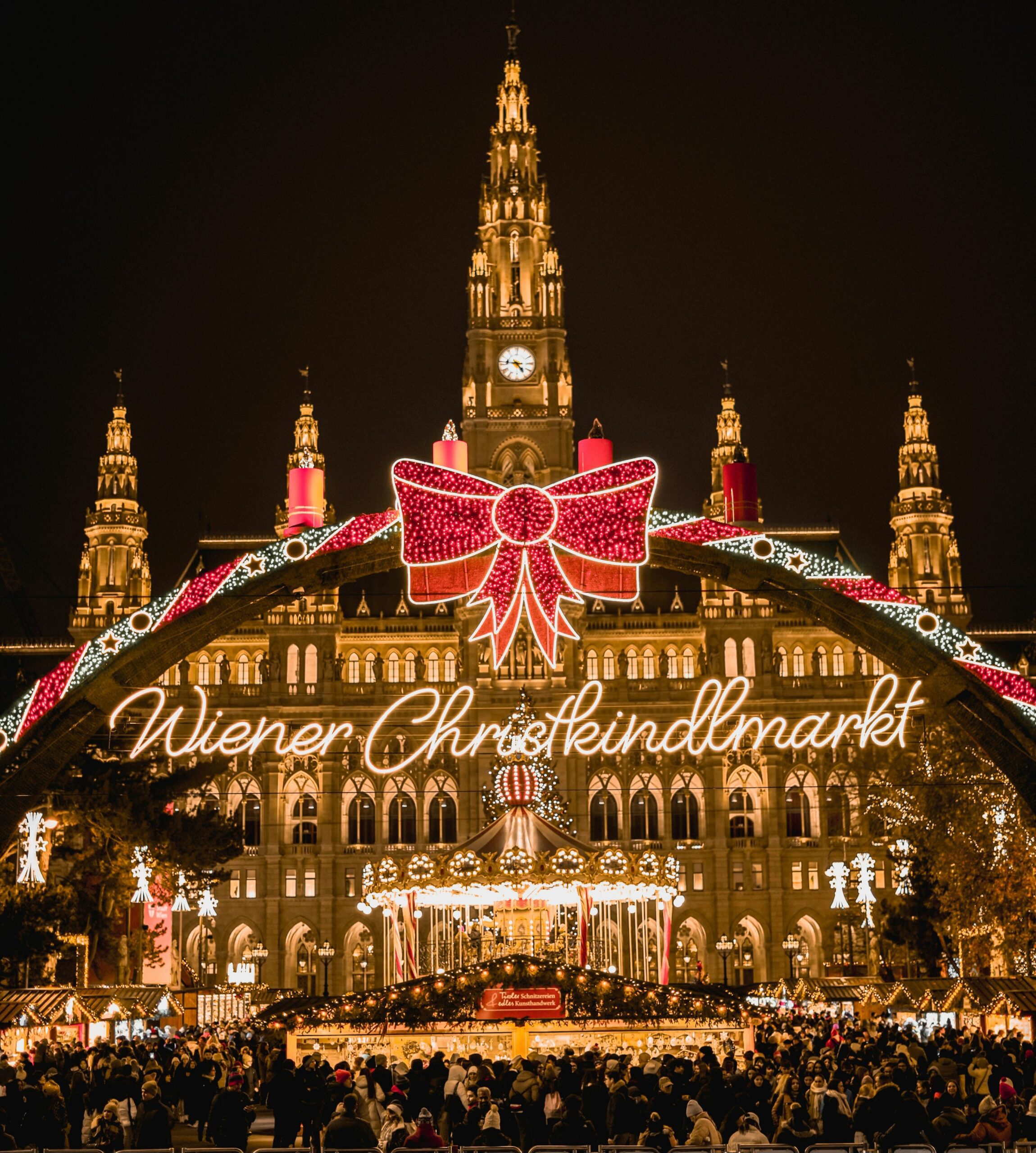
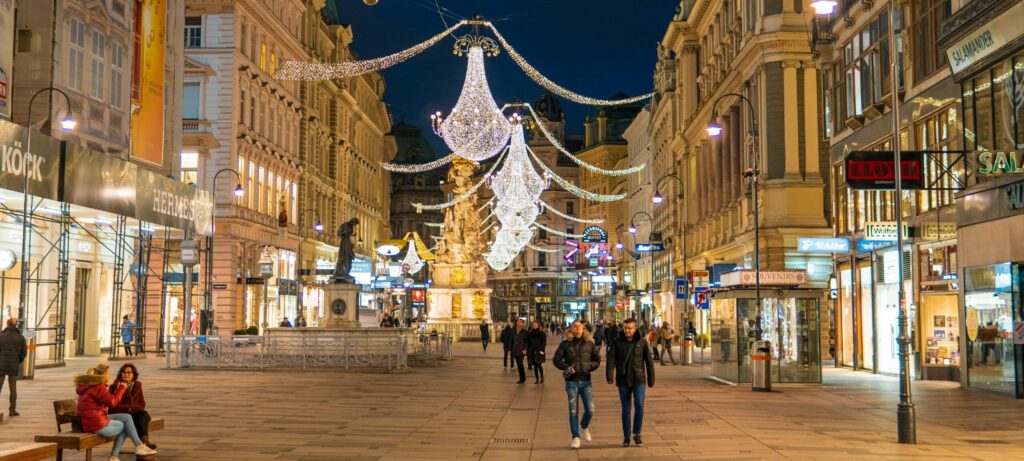
Vienna’s Christmas markets are the kind of place where time seems to soften at the edges: baroque facades glow behind rows of wooden stalls, the air smells of cinnamon and roasted chestnuts, and even the busiest city streets take on a gentler, twinkling pace. If you’re planning a trip for the 2025 season, Vienna serves up a feast of festive atmosphere — from the massive Rathausplatz market with its skating rink to intimate neighborhood markets that feel like scenes from a storybook.
The Big Picture: Dates & Where to Go
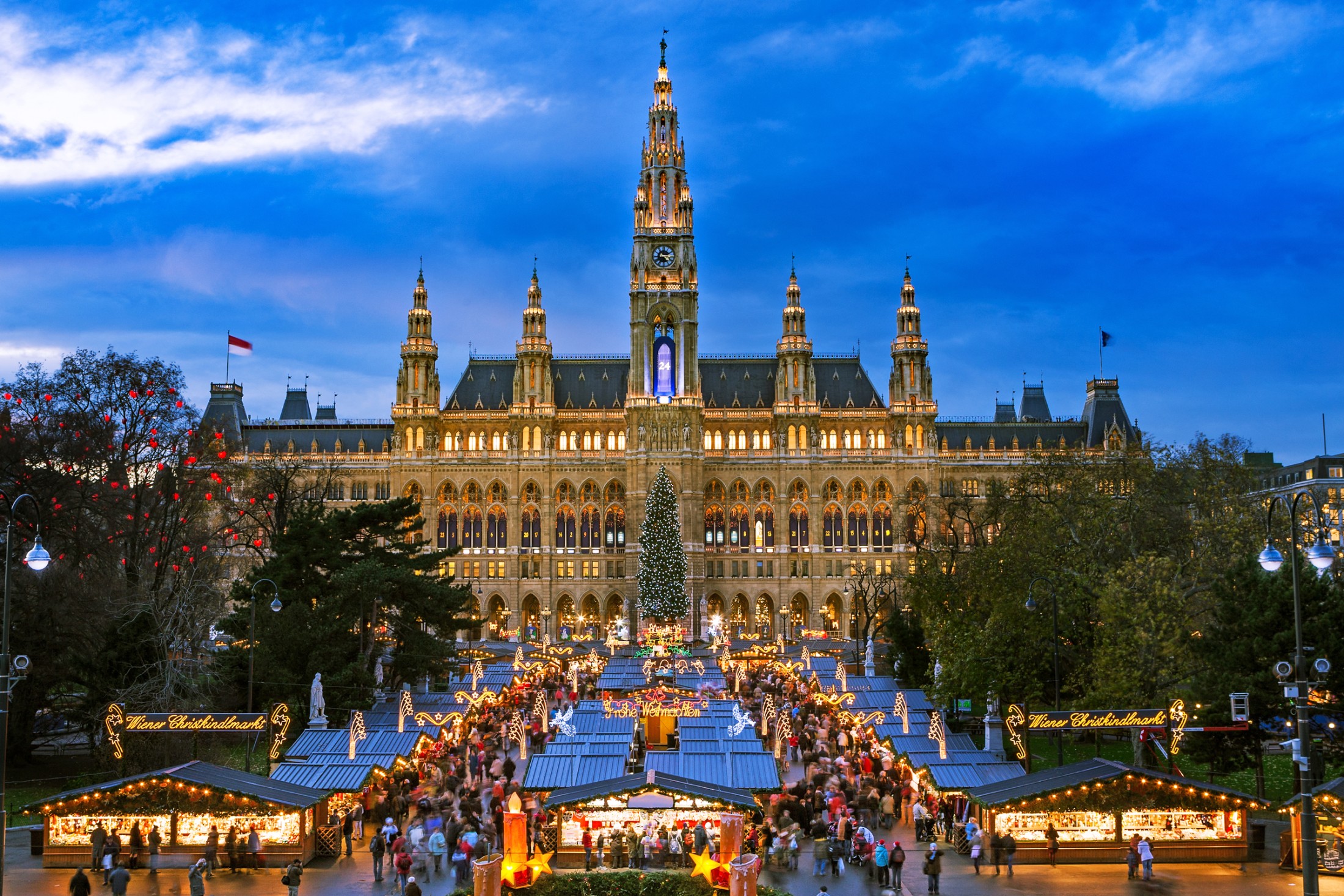
The flagship Vienna Christmas Market at Rathausplatz — the one you picture when someone says “Vienna at Christmas” — runs this year from 14 November to 26 December 2025 and includes the popular “Viennese Ice Dream” rink and winter park in the Rathauspark.
If you’re chasing palace magic, Schloss Schönbrunn’s market opens earlier and stretches into the new year, making it ideal for travelers who want festive lights against imperial architecture and slightly less intense crowds in the daytime.
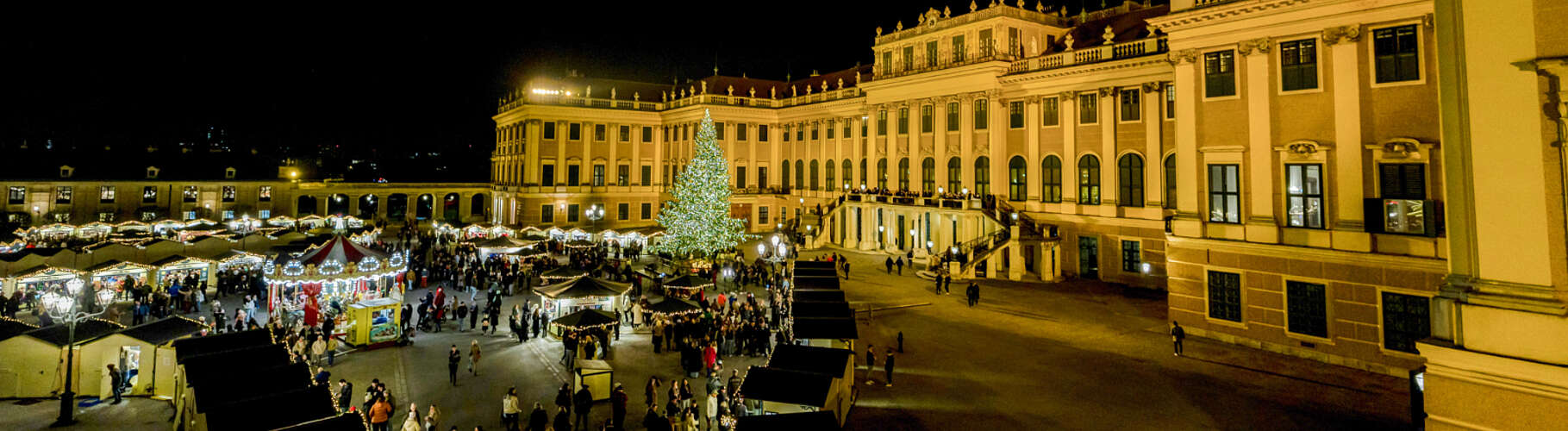
The Belvedere Palace market is another atmospheric stop — the palace lawns, music, and craft stalls create a picturesque setting. Add Maria-Theresien-Platz, Spittelberg, Stephansplatz, and Karlsplatz to your list — each market has its own character, from artisanal gifts to family-friendly rides and performances.
Explore Vienna Hotels

What to Expect: Vibe & Offerings
Markets in Vienna range from the grand and touristy to the tucked-away and local. Rathausplatz is large and theatrical: think a boulevard of stalls with handcrafted ornaments, jewelry, wooden toys, and food stands dotting a long central avenue, all framed by the gothic façade of City Hall. There’s also a winter park with an ice rink and themed lighting displays that make evening strolls feel cinematic.
Smaller markets such as Spittelberg (narrow cobblestone lanes, bohemian handicrafts) and the market at Stephansplatz (in the shadow of St. Stephen’s Cathedral) feel cozier and are perfect for slow browsing, hot drinks, and people-watching. Palace markets (Schönbrunn, Belvedere) offer the “palace courtyard” vibe: more photo ops, slightly higher-end artisan goods, and a calmer atmosphere during daytime hours.
Must-Try Treats
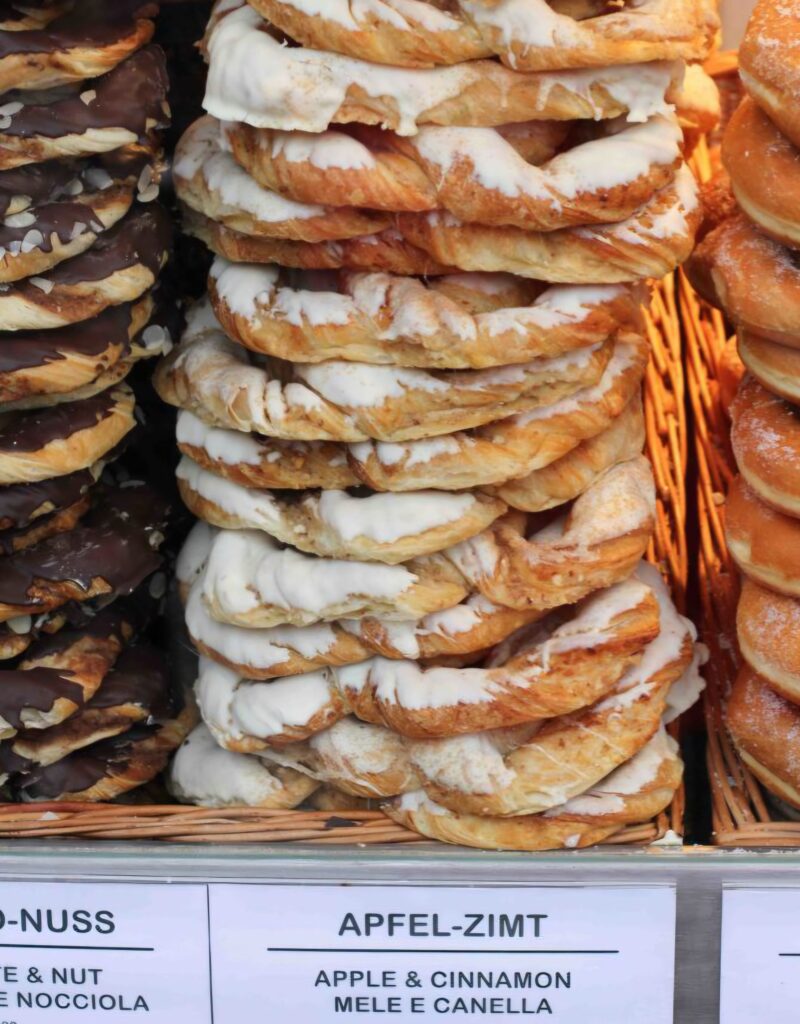
A market visit is half about the food. Start with a steaming mug of Glühwein (Austrian mulled wine) or Schoko-punsch if you prefer something sweeter. Grab a paper cone of Maroni (roasted chestnuts) for walking, and don’t miss a plate of warm Kaiserschmarrn (shredded pancake with plum jam) or a freshly made pretzel. For smaller bites, try Lebkuchen (spiced cookies), Mozartkugeln (chocolate-nougat balls), and Käsekrainer (cheese sausage) — hearty, warming, and utterly satisfying in the chilly air.
Insider Tips for Crowds & Timing
- Go at off-peak hours when you can: weekday mornings (when many locals are at work) are pleasantly uncrowded, and early afternoons on weekdays let you shop and photograph without elbowing your way through throngs.
- Start at one palace or the Rathaus early, then drift to smaller markets like Spittelberg or Karlsplatz later in the day for a quieter finish.
- If skating is on your list, arrive right at opening or book a timed slot when offered; the rinks can fill up fast, especially on weekends.
Shopping: What to Buy and Where
Viennese markets are great for handcrafted gifts — wooden toys, blown glass ornaments, carved nativity scenes, beaded jewelry, and artisan soaps. If you want high-quality handicrafts, the palace markets and Spittelberg skew more artisanal; the Rathaus market has the widest selection (and more stalls), which is handy if you’re browsing for variety. Look for items stamped or noted as handmade to avoid mass-market souvenirs.
Family-Friendly Activities
Many markets offer kid-friendly attractions: carousels, puppet shows, gingerbread decoration workshops, and visits with the Christkind (the traditional gift-bringer in parts of Austria and Germany). Schönbrunn commonly has family programming and a gentle carousel that younger children adore. Checking the individual market websites for children’s program schedules can help plan a family-friendly afternoon.
Getting Around & Practicalities
Vienna’s public transport is wallet-friendly and efficient: the U-bahn gets you close to all major market sites (for Rathausplatz take U2 to Rathaus; Stephansplatz is accessible on U1/U3). Wear warm layers and good walking shoes — cobbles plus cold weather demand cozy, practical gear. Carry small change for vendors (they’re used to cards but smaller stalls prefer euros in cash), and bring a reusable tote for shopping to avoid paying for paper bags.
Where to Stay
Staying centrally (Innere Stadt / 1st district) puts you within walking distance of Stephansplatz and the main shopping streets, while the Neubau or Josefstadt neighborhoods offer quieter boutique hotels with easy tram or U-bahn links to palace markets. If you prefer the palace vibe, look for hotels near Schönbrunn and enjoy a short, scenic tram ride to the city center.
Explore Vienna Hotels
Safety & Sensible Planning
Vienna is generally very safe, but busy markets attract pickpockets in any European city. Keep valuables secure, use a cross-body bag with zippers, and be mindful when photographing or handling your phone. If you plan to drink Glühwein, remember that public consumption is common but be sensible with alcohol in crowded places.
Let Serendipity Rule
Yes, make a plan so you don’t miss the big sites — but leave space to wander a lane you didn’t expect to love. The best market memories often come from small discoveries: a stall selling hand-painted ornaments, a choir singing in a church courtyard, or a quiet café where you warm up with strudel and watch snowflakes (or drizzle) fall over a Baroque roofline.
Vienna’s Christmas markets aren’t just events — they’re experiences woven from scent, sound, and light. In 2025, they promise another season of magic that feels timeless, yet perfectly of the moment.
For more Christmas Market inspiration check out The Magic of South American Christmas Markets 2026: Where Latin Spirit Meets Holiday Cheer