
FIFA World Cup 2026: The Ultimate Travel Guide
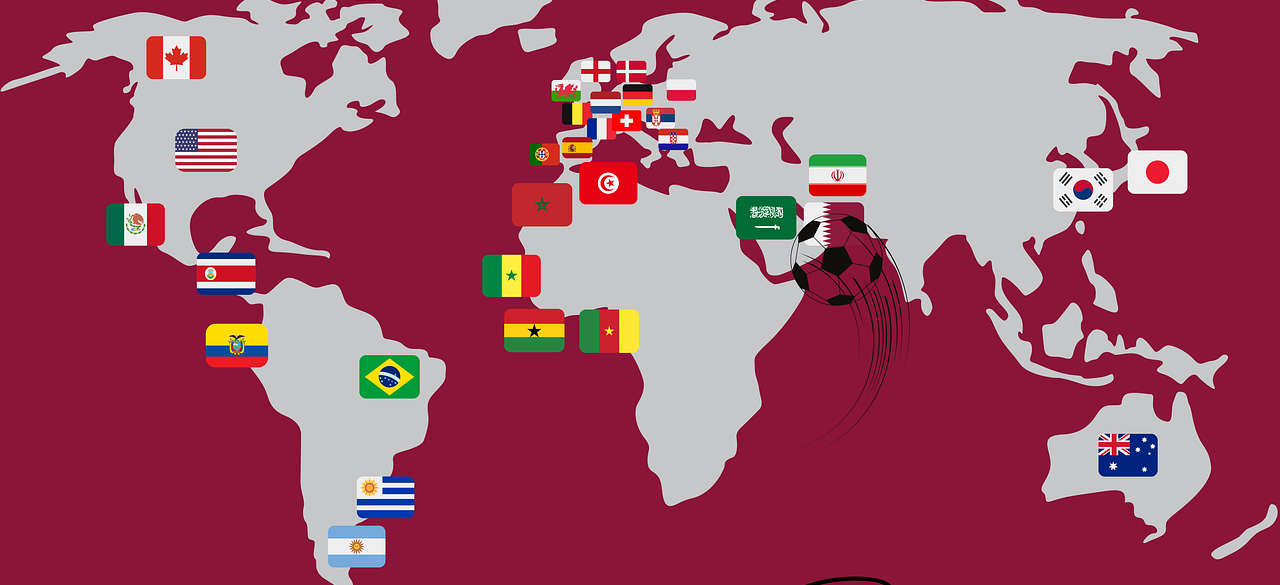
The world’s biggest sporting event is returning to North America in 2026, and fans across the globe are already making plans. The FIFA World Cup 2026 will be unlike any previous edition: more teams, more matches, more host cities, and three countries coming together to stage a tournament of epic proportions.
Here’s everything you need to know about the tournament dates, host cities, venues, ticket sales, and what to expect when traveling for this historic event.
When Is the FIFA World Cup 2026?
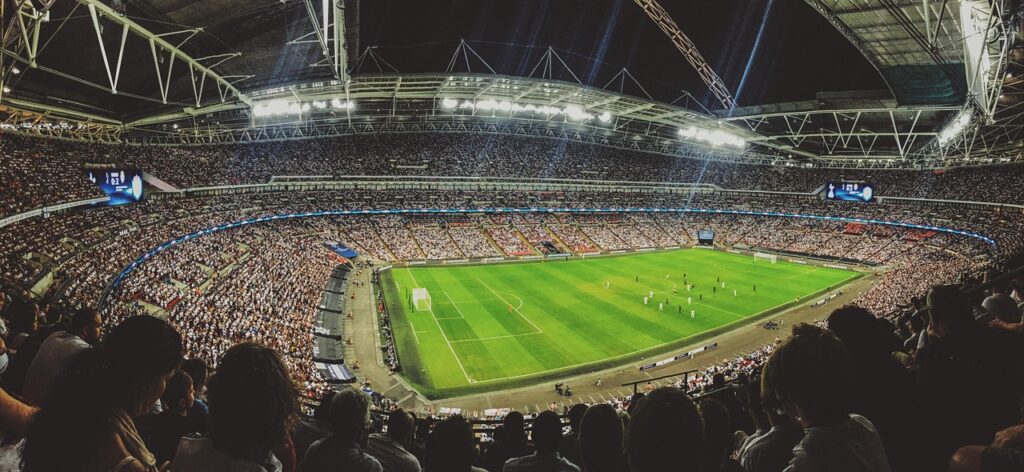
The tournament officially runs from June 11 to July 19, 2026. That’s 39 days of football, featuring 48 national teams and a total of 104 matches.
- Opening Match: June 11, 2026 at Estadio Azteca in Mexico City
- Final: July 19, 2026 at MetLife Stadium (New York/New Jersey)
- Semi-finals: Dallas (AT&T Stadium) and Atlanta (Mercedes-Benz Stadium)
- Third-place match: Miami (Hard Rock Stadium)
Where Is the World Cup Being Played?
The 2026 World Cup is the first ever to be hosted by three countries: Canada, Mexico, and the United States. A total of 16 cities will stage matches, spread across vast distances.
Here’s the full list of host cities and venues (note: FIFA uses “generic” stadium names, so you may see slightly different branding on your tickets).
Canada
- Toronto – BMO Field (~45,000 capacity)
- Vancouver – BC Place (~54,000 capacity)
Mexico
- Mexico City – Estadio Azteca (~83,000 capacity, opening match)
- Guadalajara – Estadio Akron (~48,000 capacity)
- Monterrey – Estadio BBVA (~53,500 capacity)
United States
- Atlanta – Mercedes-Benz Stadium (~75,000 capacity)
- Boston (Foxborough) – Gillette Stadium (~65,000–70,000)
- Dallas (Arlington) – AT&T Stadium (~90,000–95,000, semi-final)
- Houston – NRG Stadium (~72,000)
- Kansas City – Arrowhead Stadium (~73,000)
- Los Angeles (Inglewood) – SoFi Stadium (~70,000)
- Miami – Hard Rock Stadium (~65,000, third-place match)
- New York/New Jersey (East Rutherford) – MetLife Stadium (~82,500, final)
- Philadelphia – Lincoln Financial Field (~69,000)
- San Francisco Bay Area (Santa Clara) – Levi’s Stadium (~70,900)
- Seattle – Lumen Field (~69,000)
Search Area Homes

How the Tournament Format Works
For the first time ever, 48 teams will compete instead of 32. That means more matches, more stories, and more chances to see your favorite teams.
- Group Stage: June 11 – June 27, 2026
- 12 groups of 4 teams each
- Top 2 from each group advance, plus 8 best third-place teams
- Knockout Rounds:
- Round of 32
- Round of 16
- Quarterfinals
- Semi-finals
- Final (July 19, MetLife Stadium)
World Cup 2026 Ticket Sales
Tickets will be released in multiple phases, starting in fall 2025. Demand will be extremely high, so fans are encouraged to register early and prepare payment options in advance. Find Tickets HERE.
Phase 1: Visa Presale Draw
- Opens: September 10, 2025 at 11:00 ET
- Closes: September 19, 2025
- Only Visa cardholders can enter this lottery
- Winners notified: Around September 29, 2025
- Purchasing window begins: October 1, 2025
Phase 2: Second Lottery Draw
- Registration: October 27–31, 2025
- Winners can buy tickets in mid-November through early December
Phase 3: Random Selection Draw
- Opens after the official tournament draw on December 5, 2025 in Washington, D.C.
- Fans can apply for specific matches once groups are set
Phase 4: General Sale
- Spring 2026
- First-come, first-served until tickets sell out
Hospitality Packages
- Premium VIP packages (suites, lounges, corporate access) are available earlier, some already on sale via FIFA partners.
Explore Area Hotels

How Much Do Tickets Cost?
FIFA has confirmed dynamic pricing for this World Cup, meaning prices adjust with demand, location, and match importance.
- Group-stage tickets start at $60 USD
- Knockout rounds will increase significantly
- The most expensive seats for the final may exceed $6,700 USD
Ticket rules typically limit fans to a maximum of 4 tickets per match, with caps on total matches per applicant in each phase.

Travel Tips for World Cup Fans
Because this is the first World Cup spread across three countries, travel planning is essential. Here are key considerations:
Flights & Transportation
- Distances between venues can be vast (e.g., Seattle to Miami). Domestic flights will be the most realistic option for many fans.
- Consider planning your match itinerary by region (e.g., Northeast corridor: New York, Boston, Philadelphia; or West Coast: Seattle, San Francisco, Los Angeles).
Visas & Entry Requirements
- U.S., Canada, and Mexico each have their own entry rules. Check passport and visa requirements early if you plan to attend matches in more than one country.
Weather
- Mexico City and Guadalajara are at altitude—be prepared if you’re not used to thinner air.
- Southern U.S. venues like Miami, Houston, and Dallas will be hot and humid in June and July.
- Northern cities (Toronto, Vancouver, Seattle) will have milder weather.
Search Area Homes
Highlights by Host City
Mexico City – Historic Estadio Azteca, vibrant food culture, ancient ruins of Teotihuacán nearby.
Toronto – Multicultural hub, waterfront neighborhoods, and day trips to Niagara Falls.
Vancouver – Stunning mountain backdrop, world-class nature mixed with cosmopolitan city life.
Los Angeles – Beaches, Hollywood, diverse food scene. SoFi Stadium will be a fan favorite.
New York / New Jersey – Host of the final. Endless sightseeing, Broadway shows, and iconic sports culture.
Miami – Third-place match, tropical beaches, nightlife, and a mix of Latin and Caribbean culture.
Dallas & Houston – Tex-Mex food, cowboy culture, and some of the most passionate fan zones expected in the U.S.
Seattle & San Francisco Bay Area – Tech capitals with thriving food and coffee culture, plus scenic coastal getaways.
Key Dates Recap
- September 10–19, 2025 – Visa Presale Ticket Lottery
- October 27–31, 2025 – Second Ticket Lottery Registration
- December 5, 2025 – Official Group Draw in Washington, D.C.
- Spring 2026 – General Ticket Sale (first-come, first-served)
- June 11, 2026 – Opening Match, Estadio Azteca (Mexico City)
- July 19, 2026 – Final, MetLife Stadium (New York/New Jersey)
Why the 2026 World Cup Will Be Historic
This World Cup isn’t just another tournament—it’s a milestone for football worldwide.
- First World Cup with 48 teams instead of 32
- First time in history hosted by three countries
- Largest geographical spread of matches ever staged
- More matches and opportunities for fans than any previous tournament
For fans, this means more tickets, more destinations, and more stories to tell. Whether you’re following your national team, chasing the atmosphere in legendary stadiums, or simply enjoying the cultural diversity of North America, the FIFA World Cup 2026 promises to be an unforgettable adventure.
Final Thought
If you’re thinking about going, start planning now. Register for ticket updates, set reminders for ticket sale phases, and book accommodations early. With 16 host cities across three countries, this World Cup is not just a tournament—it’s the ultimate football road trip. Find Tickets HERE.