
The Vatican isn’t just the world’s smallest country — it’s a universe of history, art, and spirituality packed into 109 acres. Millions of visitors stream through its gates each year, but few realize just how many layers there are to explore. Whether you’re coming as a pilgrim, a history buff, or a curious traveler, this guide gives you a fresh perspective on the Vatican — with insider angles, tour options, and hidden gems you won’t want to miss.
Why Visit the Vatican?
The Vatican is unique in that it blends the grandeur of Renaissance and Baroque art with the living heartbeat of Catholicism. You’re not just stepping into a museum or cathedral; you’re entering an independent city-state that has shaped global culture for centuries. From the awe-inspiring Sistine Chapel to the political drama of Papal history, the Vatican is as alive today as it was in Michelangelo’s time.
A Unique Spin: The Vatican as a Living Stage
Instead of treating the Vatican as a checklist of “must-sees,” think of it as a living stage. Every fresco, every marble column, every procession still connects to real stories. When you walk through the galleries, you’re not only admiring art — you’re watching how popes curated power and prestige. When you climb the dome, you’re not just chasing a view — you’re retracing the footsteps of pilgrims from every corner of the globe. This perspective makes your visit more meaningful and less overwhelming.
Vatican Museums: The Endless Corridor
The Vatican Museums are vast — 7 kilometers of galleries filled with treasures. Without a plan, it’s easy to get “museum fatigue.” Guided tours help you cut through the overwhelm, highlighting masterpieces like:
- The Gallery of Maps – a 16th-century atlas painted on the walls, offering both art and geography lessons.
- The Raphael Rooms – where the School of Athens embodies the Renaissance spirit.
- The Borgia Apartments – frescoes by Pinturicchio with a distinctly human, almost scandalous backstory.
Tour tip: Consider an early-entry tour. These allow you to enter before the crowds and enjoy the Sistine Chapel in near silence — an experience that feels private and sacred.
The Sistine Chapel: More Than a Ceiling
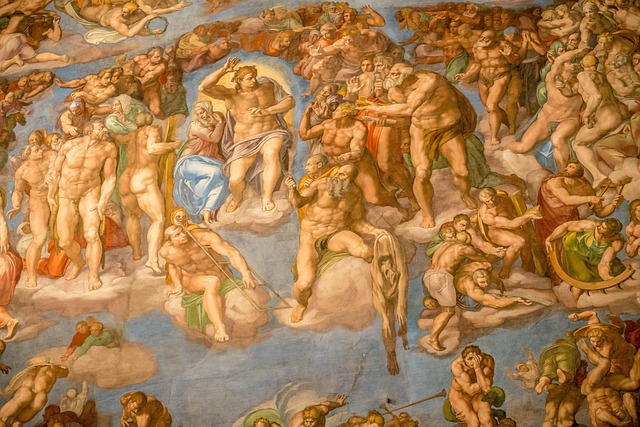
Most people crane their necks and marvel at Michelangelo’s ceiling, but the Sistine Chapel is much more. This is the very room where papal conclaves are held, where white smoke announces a new pope. Stand quietly for a moment and imagine that history unfolding around you.
Insider note: Photography is prohibited, and attendants enforce silence. Respecting these rules enhances the shared sense of reverence.
Explore Rome Hotels

St. Peter’s Basilica: Faith in Stone
After exiting the museums, head to St. Peter’s Basilica, the spiritual center of the Vatican. It’s the largest church in the world, yet it balances grandeur with intimate details:
- Pietà by Michelangelo – his youthful masterpiece, both tender and monumental.
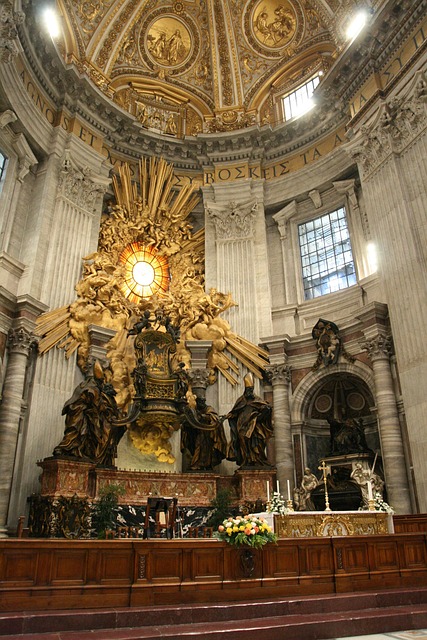
- Baldachin by Bernini – the bronze canopy that feels both architectural and sculptural.
- The Dome climb – 551 steps (or part elevator, part stairs) leading to sweeping views of Rome and St. Peter’s Square below.
Tour tip: A guided basilica tour often includes access to the necropolis (Scavi), the archaeological site beneath the church, where tradition holds St. Peter is buried. Scavi tours require booking months in advance but are among the most profound experiences in the Vatican.
St. Peter’s Square: Architecture Meets Symbolism
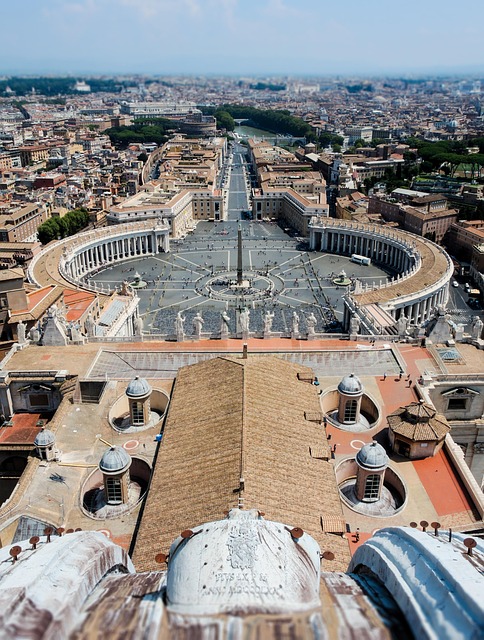
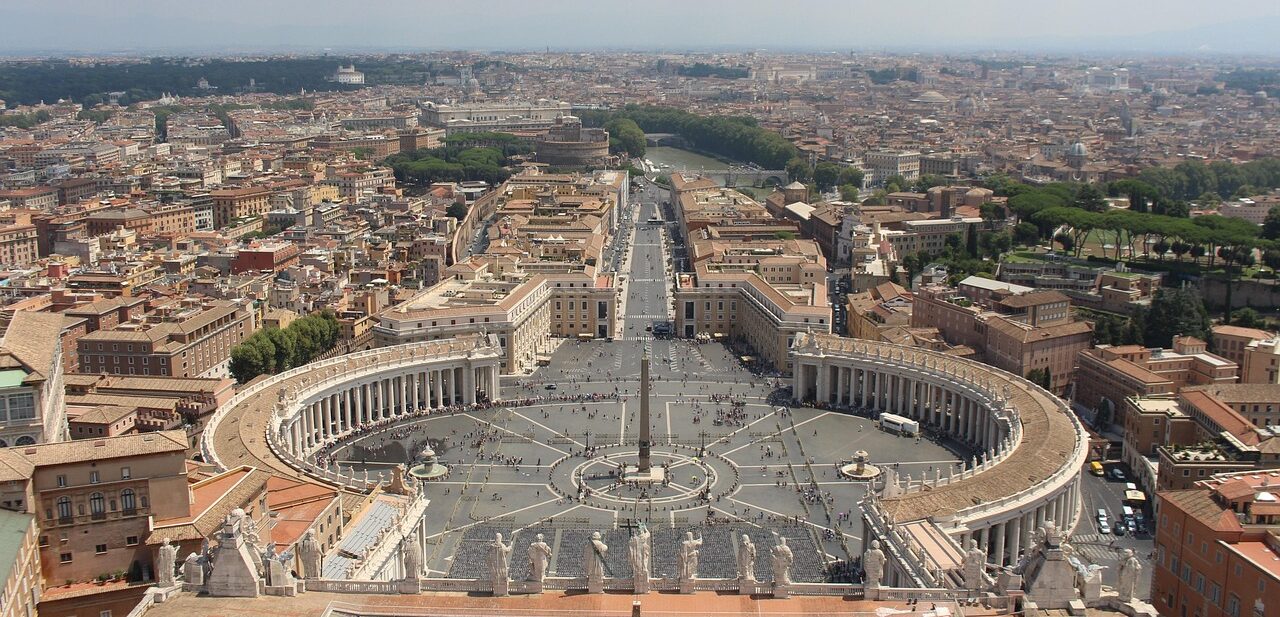
Bernini designed the square as a set of embracing arms, welcoming pilgrims. From the central obelisk to the sweeping colonnades, the square isn’t just a gathering place — it’s a symbolic entrance into the Vatican’s heart. If you visit on a Wednesday, you may catch the Papal Audience, when the Pope addresses the crowd. Tickets are free but must be reserved in advance.
Guided Tours Worth Considering
There are several types of tours that elevate a Vatican visit from “busy day” to “unforgettable journey”:
- Skip-the-Line Tours – Essential during peak season; save hours of waiting.
- Private Vatican Tours – Tailored experiences, often after-hours, offering access to less crowded galleries.
- Scavi Tour – Takes you beneath the basilica to the ancient necropolis.
- Vatican Gardens Tour – A peaceful alternative, revealing the green heart of the city-state.
- Combo Tours – Pair Vatican Museums with landmarks like Castel Sant’Angelo or Trastevere for a richer context.
Practical Tips for Visiting
To make the most of your trip, consider these essentials:
- Book tickets early – Vatican entry slots often sell out weeks in advance.
- Dress modestly – Shoulders and knees should be covered; bring a scarf or light wrap.
- Arrive early – Even with skip-the-line, mornings are less crowded.
- Bring water – Summer days in Rome are hot, and the Vatican can feel airless with crowds.
- Take breaks – Cafés inside the museums are pricey, but a quick stop saves you from burnout.
Hidden Gems in the Vatican
Beyond the headline attractions, the Vatican holds quieter spaces worth exploring:
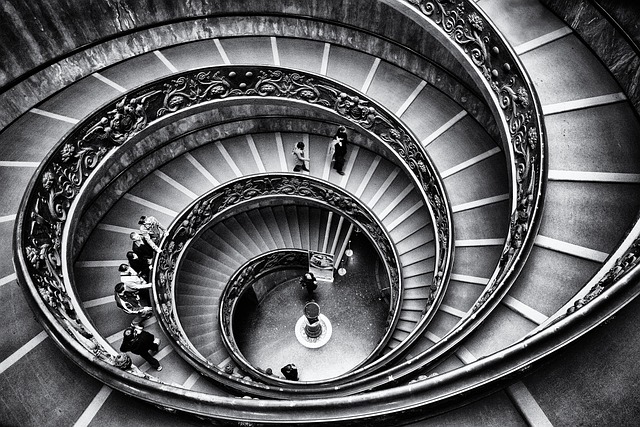
- The Spiral Staircase – Giuseppe Momo’s double helix staircase is Instagram-famous but still awe-inspiring in person.
- The Vatican Pinacoteca – An art gallery with works by Caravaggio, Leonardo, and Raphael, often overlooked by hurried visitors.
- The Etruscan Museum – Fascinating artifacts that predate Rome itself.
Explore Rome Hotels
When to Visit: Timing Is Everything
The Vatican is busiest from spring through summer. For a more serene experience, aim for:
- Late fall (October–November) – Fewer tourists, cooler weather.
- Winter (January–February) – Almost empty galleries, though shorter hours.
- Early mornings – Especially if you book early-entry tickets.
Making It a Spiritual Journey
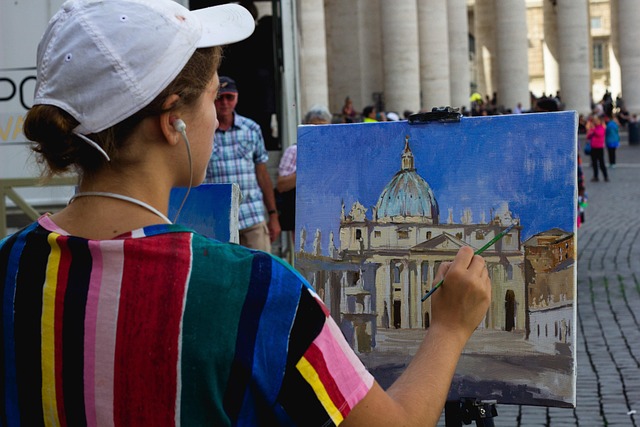
You don’t have to be Catholic to experience the Vatican as a sacred space. Whether you’re drawn by faith, history, or sheer curiosity, give yourself moments of silence. Light a candle in St. Peter’s, sit quietly in the square, or reflect on the centuries of pilgrims who’ve walked the same stones. The Vatican rewards not only your eyes but also your soul.
Final Thoughts: A Journey Beyond the Walls
Visiting the Vatican isn’t just about ticking off landmarks; it’s about entering a living story that spans art, politics, and spirituality. Guided tours unlock hidden doors, both literal and metaphorical. Solo wandering allows for personal discovery. Either way, the key is to approach it with openness — and patience. The Vatican may be small in size, but it’s immeasurable in impact. When you leave, you won’t just carry photos; you’ll carry a piece of history and humanity with you.
For more local inspiration check out our post on Roaming Rome: A Timeless Journey Through Italy’s Eternal City