Hidden European Gems: The Island Swaps You Haven’t Heard Of—Yet
In the age of viral Instagram reels and ever-growing cruise ship itineraries, Europe’s once-hidden islands are no longer secrets for long. Santorini sunsets now come with the soundtrack of camera shutters. Ibiza’s legendary beaches can feel more like festivals than getaways. But here’s the good news: you can still find islands that deliver the same—if not better— European Gems with beauty, culture, and cuisine, without the shoulder-to-shoulder crowds.
These “island swaps” aren’t just second-best stand-ins. Many of them outshine their more famous cousins with unique landscapes, affordable prices, and an authentic rhythm of life that’s been preserved over centuries. Whether you crave medieval charm, dramatic coastlines, or crystal-clear swimming coves, these hidden European gems will scratch the itch for adventure—while keeping your sanity (and budget) intact.
1. Skip Santorini → Sail to Kefalonia, Greece
Why the swap works:
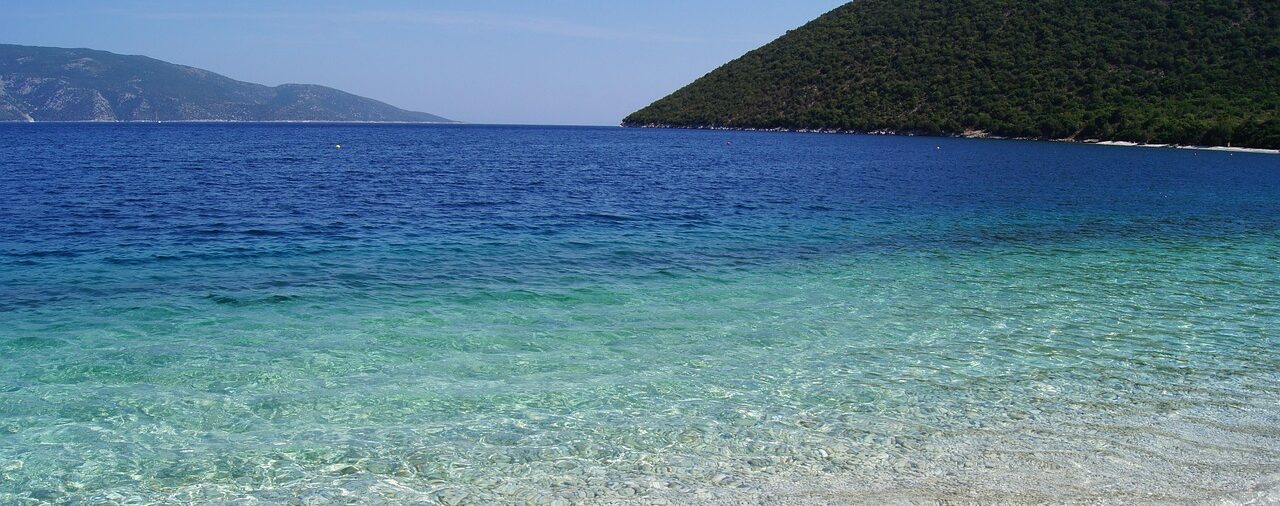
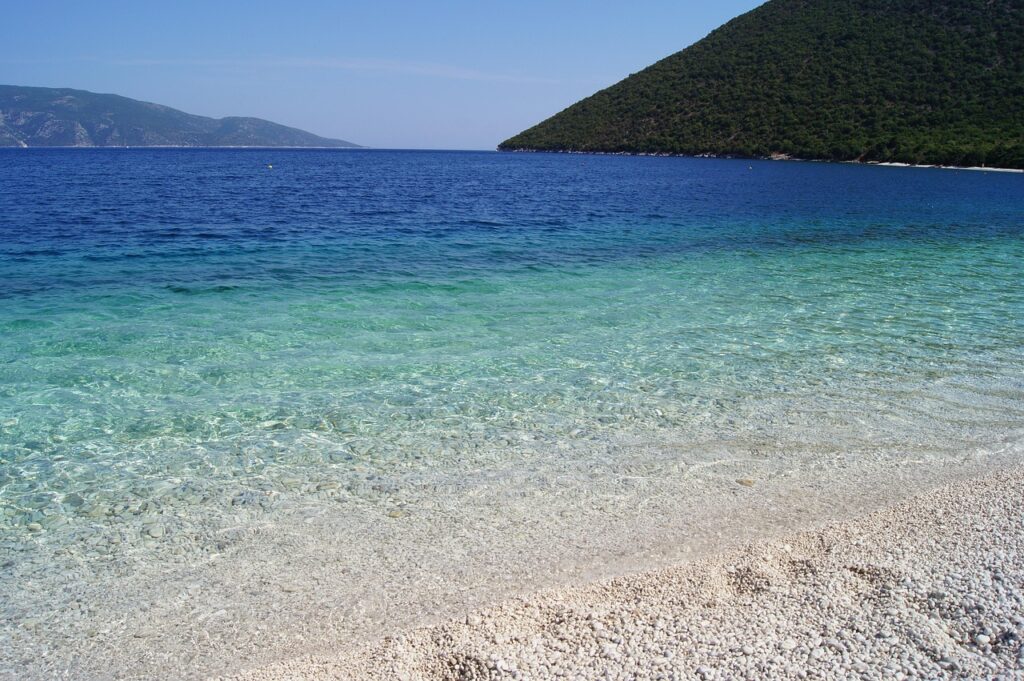
Santorini’s caldera is jaw-dropping, but so are its crowds and hotel prices. Kefalonia, the largest of the Ionian Islands, offers postcard-worthy beaches without the rush. Its star, Myrtos Beach, is a sweeping arc of white pebbles against turquoise water, framed by steep cliffs that glow gold at sunset.
What to do:
- Myrtos Beach for swimming and photography.
- Assos Village for pastel-colored houses, quiet cafés, and Venetian ruins.
- Explore Melissani Cave Lake by boat—sunlight pours through an opening in the rock, illuminating the water into a luminous sapphire.
Pro tip: Rent a car. Kefalonia’s magic is in its variety—mountains, hidden coves, and tiny hamlets that aren’t connected by frequent public transport.
2. Swap Ibiza → Discover Formentera, Spain
Why the swap works:
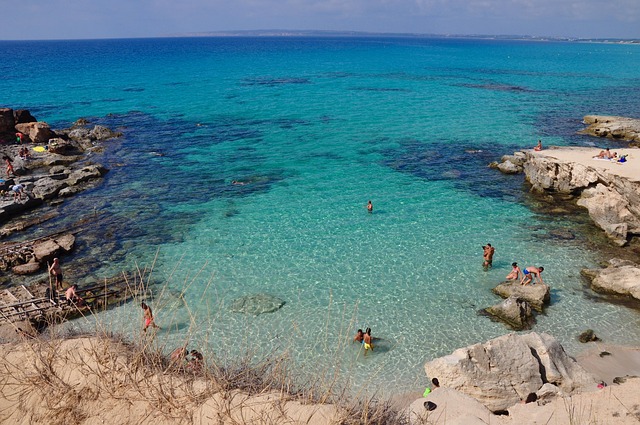
Formentera is Ibiza’s sleepy, sun-drenched little sister. Instead of thumping nightclubs, you’ll find pristine beaches where the soundtrack is waves and cicadas. The water here is some of the clearest in the Mediterranean thanks to seagrass meadows that keep it naturally filtered.
What to do:
- Ses Illetes Beach—often ranked among the world’s best.
- Rent a bike and explore the coastline; the island is small enough to circle in a day.
- Visit the Cap de Barbaria Lighthouse, especially at sunset.
Pro tip: Base in Ibiza Town for one night to catch the ferry, then enjoy Formentera’s blissfully slow pace.
3. Swap Capri → Experience Ischia, Italy
Why the swap works:
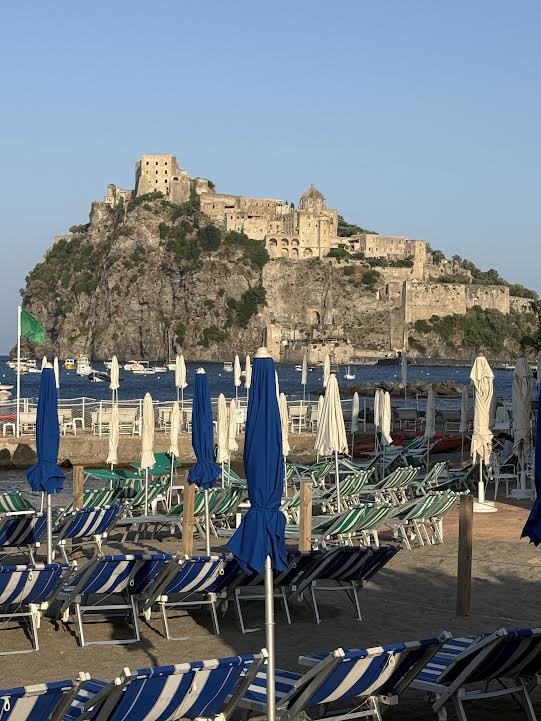
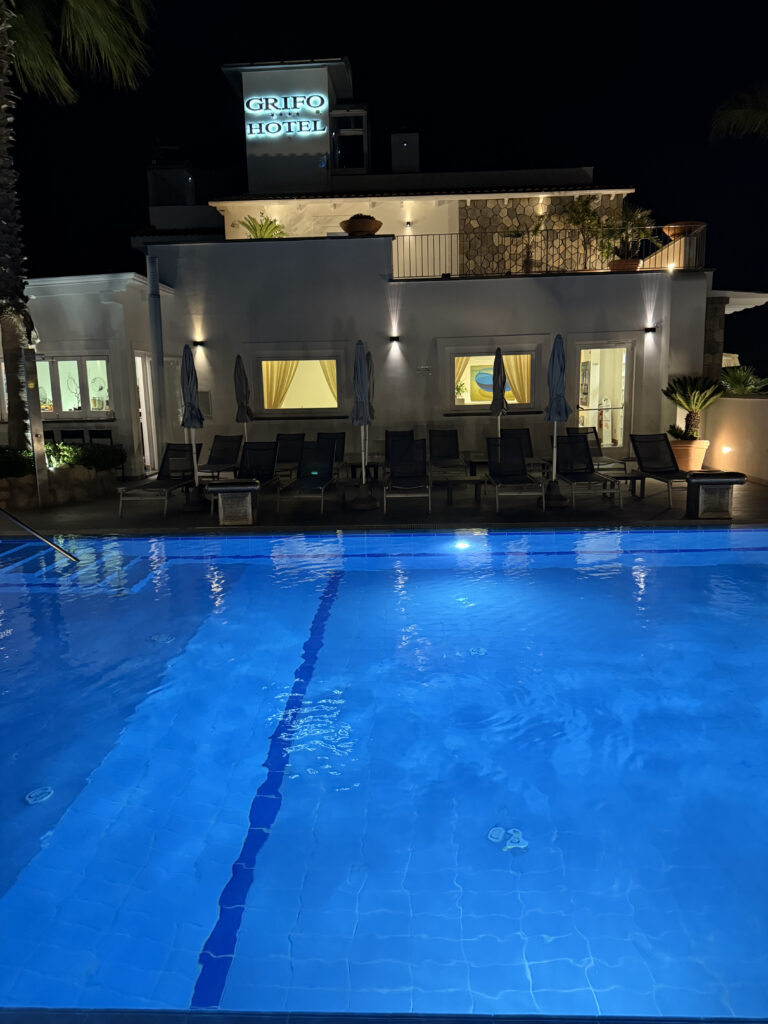
Capri is all glamour, but its popularity can feel overwhelming. Ischia, located just across the water, is larger, more affordable, and famous among Italians for its hot springs and gardens. You’ll get the same dramatic volcanic cliffs, plus thermal baths to soak in after a day of exploring.
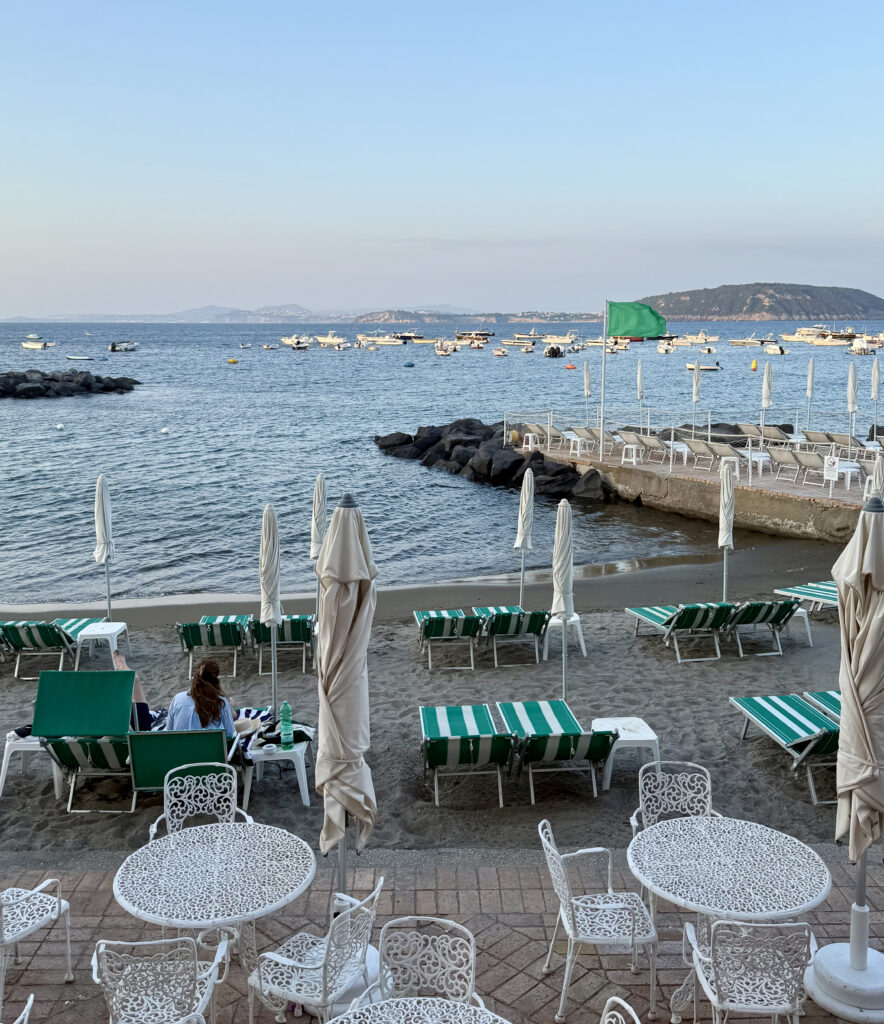
What to do:
- Soak in the Poseidon Thermal Gardens.
- Hike up Mount Epomeo for panoramic views of the Tyrrhenian Sea.
- Wander La Mortella Gardens, filled with exotic plants and fountains.
Pro tip: Visit in late spring or early fall when the sea is warm but crowds are thin.
Explore Ischia Hotels

4. Skip Mykonos → Try Naxos, Greece
Why the swap works:
Mykonos is known for its party scene and luxury resorts, but Naxos offers a more authentic Cycladic experience—whitewashed villages, endless beaches, and a local food scene that’s arguably better (and cheaper).
What to do:
- Relax at Plaka Beach or Agios Prokopios.
- Wander the Old Town with its maze of alleys and small boutiques.
- Visit the Portara, an ancient marble gate glowing orange at sunset.
Pro tip: Naxos is one of the best Greek islands for families, thanks to its gentle beaches and slower pace.
5. Swap Corsica’s Crowds → Visit Elba, Italy
Why the swap works:
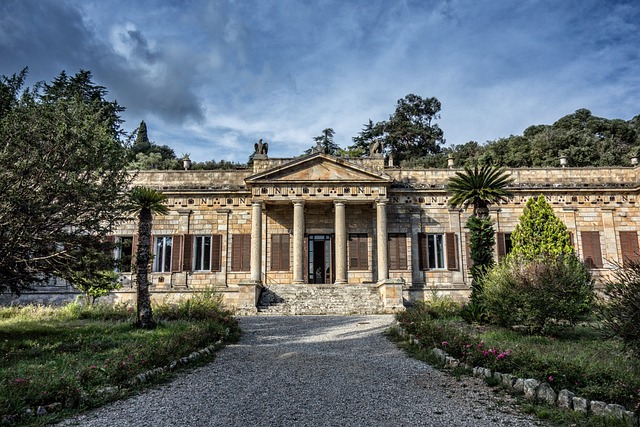
Elba, best known as Napoleon’s place of exile, is a Tuscan island with rugged mountains, sandy beaches, and a surprising lack of international tourists. Its diverse landscapes make it ideal for both hikers and swimmers.
What to do:
- Swim in the calm waters of Fetovaia Beach.
- Hike Monte Capanne for sweeping views of the Tuscan Archipelago.
- Visit Napoleon’s villa and museum.
Pro tip: Rent a scooter to hop between secluded coves.
6. Swap Malta → Go to Gozo
Why the swap works:
Malta’s capital of Valletta is a marvel, but its busier beaches can be overwhelming in summer. Gozo, just a 25-minute ferry ride away, is greener, quieter, and offers equally rich history.
What to do:
- Snorkel at the Blue Hole near Dwejra Bay.
- Visit the Citadel in Victoria for panoramic island views.
- Walk the countryside trails lined with wildflowers in spring.
Pro tip: Stay overnight—most visitors day-trip from Malta, so evenings are peaceful.
7. Swap Sardinia’s Costa Smeralda → Explore La Maddalena Archipelago, Italy
Why the swap works:
The Costa Smeralda is stunning but can feel like a billionaire’s playground. The La Maddalena islands, accessible by short ferry from northern Sardinia, offer equally spectacular beaches but with far fewer people.
What to do:
- Spend a day on Spiaggia Rosa (Pink Beach)—visiting is regulated to protect its unique sand.
- Rent a small boat to hop between islands.
- Wander La Maddalena town for seafood and gelato.
Pro tip: Bring snorkel gear—the water clarity here is world-class.
Explore Area Hotels
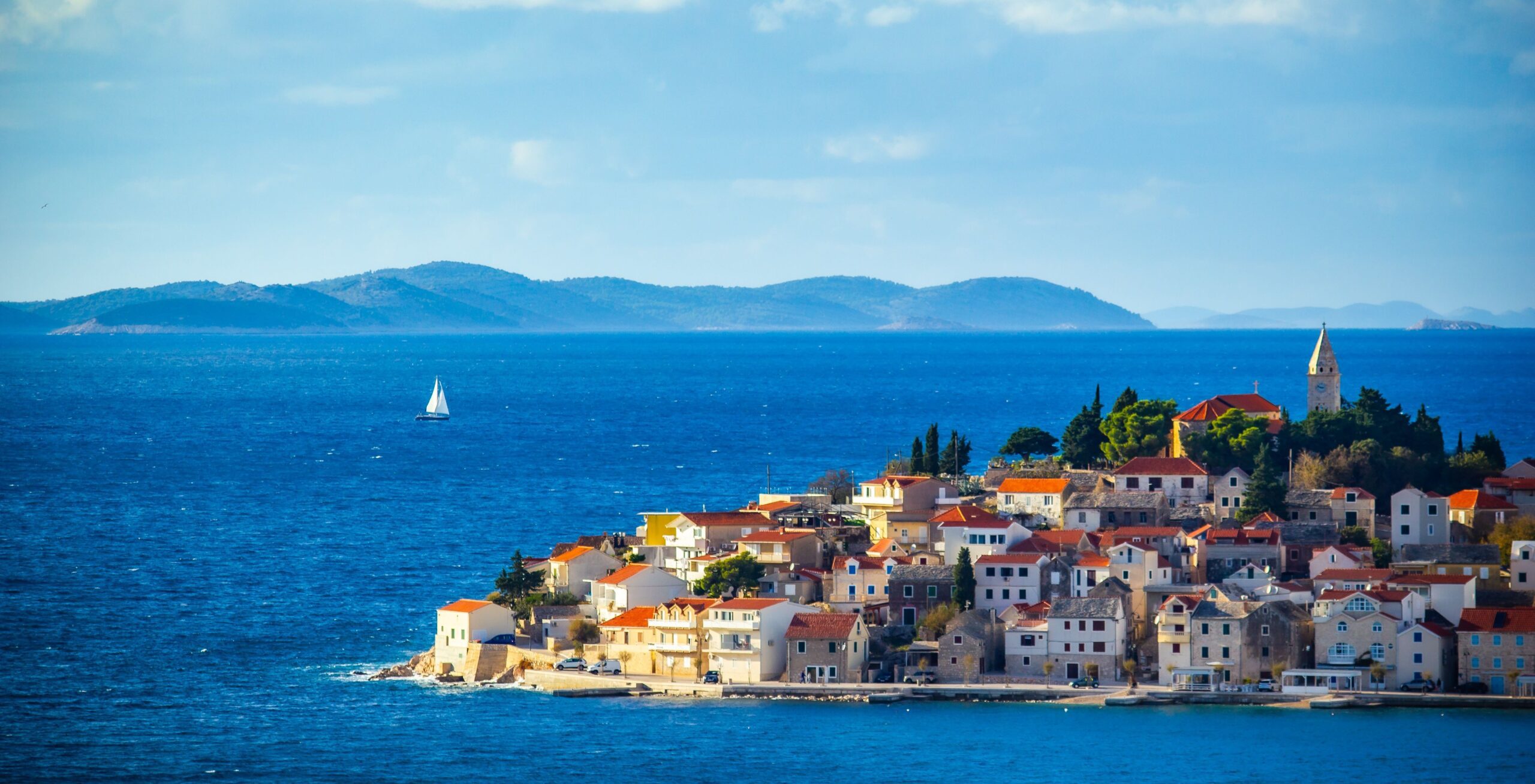
8. Swap Hvar, Croatia → Discover Vis, Croatia
Why the swap works:
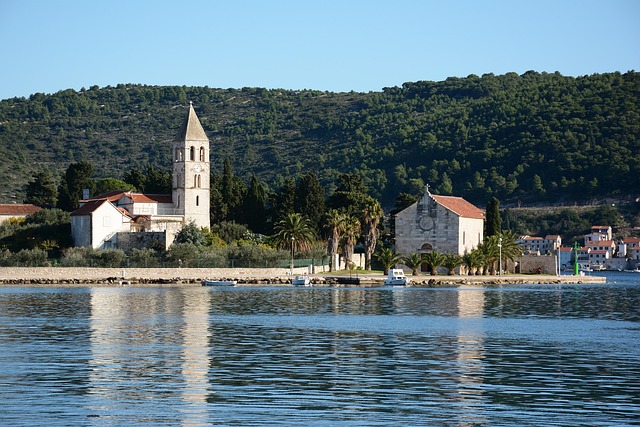
Hvar is Croatia’s glitzy party island, but Vis is where you go to slow down. Once a military base closed to foreign visitors until the late ’80s, Vis has kept its authenticity intact.
What to do:
- Take a boat tour to the Blue Cave on nearby Biševo Island.
- Swim at Stiniva Cove, tucked between high cliffs.
- Try pogača, a savory pie unique to Vis.
Pro tip: Pair Vis with a mainland city like Split for a perfect Croatia itinerary.
9. Swap Majorca → Head to Menorca, Spain
Why the swap works:
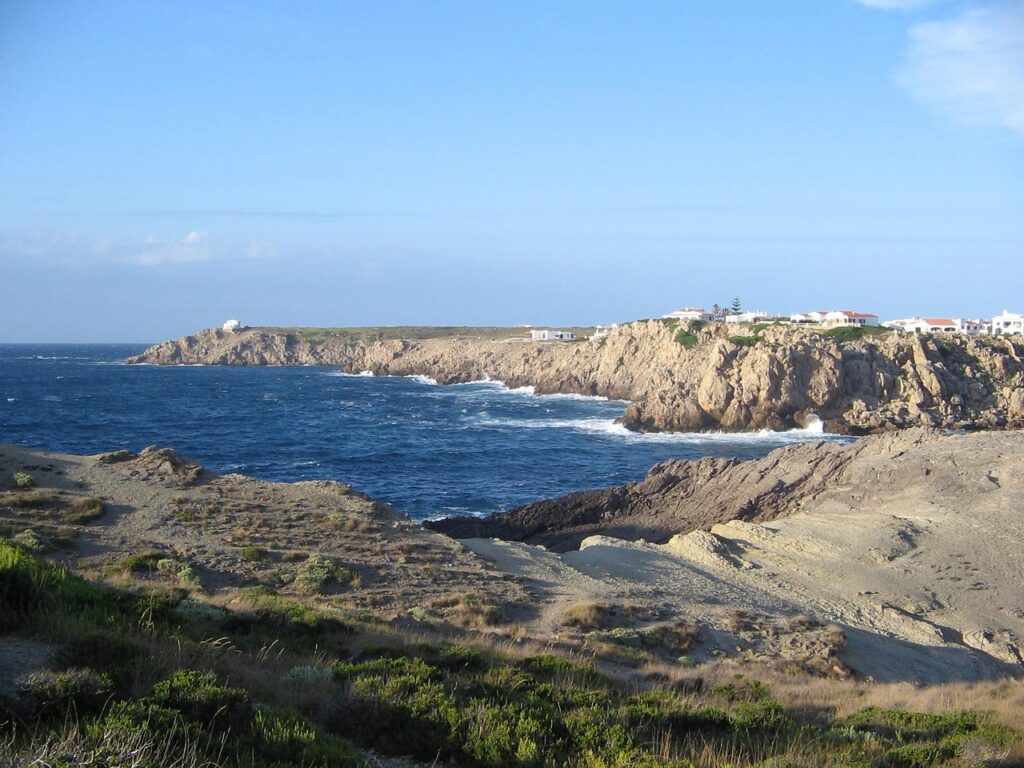
Majorca is beautiful but often overrun with package tourism. Menorca is calmer, greener, and dotted with untouched bays called calas. It’s also a UNESCO Biosphere Reserve.
What to do:
- Spend a day beach-hopping to Cala Macarella and Cala Turqueta.
- Explore Ciutadella, a medieval port town with cobbled streets.
- Kayak the island’s gentle coves.
Pro tip: Menorca is excellent for hiking the Camí de Cavalls, a coastal trail that loops the island.
Why Island Swaps Matter in 2025
1. Overtourism is real.
Popular islands like Santorini and Mykonos see millions of visitors annually, straining infrastructure and eroding local culture. Choosing a lesser-known island spreads tourism benefits more evenly.
2. Better value for money.
These European Gems may often offer lower hotel rates, cheaper dining, and more space—without sacrificing beauty.
3. Authentic experiences.
Smaller, less commercialized islands retain traditions that can be lost in high-volume destinations.
4. Sustainability.
Traveling off the beaten path helps reduce environmental stress on overcrowded spots.
Planning Your Hidden Island Escape
- Go shoulder season. Late spring and early autumn are ideal—warm weather, fewer tourists, and lower prices.
- Pack light but smart. Many smaller islands have uneven terrain; a carry-on and sturdy sandals are better than a bulky suitcase and heels.
- Book transport early. Ferries can be infrequent, and car rentals sell out on small islands.
- Learn basic phrases. A little Italian, Greek, or Spanish goes a long way with locals.
- Stay more than a day. To truly experience an island’s rhythm, aim for at least 3–4 nights.
Europe’s islands are far more than the celebrity names that dominate Instagram feeds. By swapping a famous destination for a lesser-known neighbor, you’re not “missing out”—you’re gaining something priceless: space, authenticity, and a deeper connection to a place.
Whether you’re soaking in thermal springs on Ischia, cycling the quiet lanes of Formentera, or diving into the Blue Hole of Gozo, these hidden gems prove that the best European islands aren’t necessarily the ones everyone’s already talking about.
So next time your travel plans take you across the Atlantic, skip the well-worn path. Let curiosity be your compass, and you might just find that your favorite European island is the one nobody warned you about.