

Nestled between the Pacific Ocean and the Caribbean Sea, Costa Rica is a small Central American country that offers a remarkably rich and diverse travel experience. Known for its biodiversity, stunning landscapes, and the warm philosophy of pura vida (“pure life”).
Costa Rica invites travelers to reconnect with nature and rediscover life’s simple pleasures.
From misty cloud forests to volcanic hot springs and unspoiled beaches, this tropical haven delivers something for everyone—whether seeking adventure, relaxation, or cultural immersion.
Starting in San José: Culture and Coffee
Many journeys begin in San José, the nation’s capital and largest city. Though many travelers pass through quickly en route to the beaches or national parks, San José holds cultural gems worth exploring. The Museo del Oro Precolombino offers an impressive collection of pre-Columbian gold artifacts. The Teatro Nacional, a beautifully preserved neoclassical theater, reflects the country’s artistic heritage.
Explore Cosa Rica Hotels

Tortuguero National Park: A Jungle Wonderland
For a taste of local life, the city’s cafes and markets provide an excellent opportunity to sample Costa Rican coffee, meet locals, and prepare for the adventure ahead.
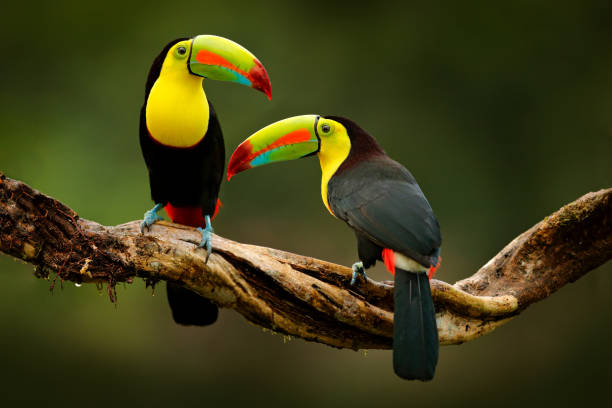
Located on the Caribbean coast and accessible only by boat or small plane, Tortuguero National Park is a remote and lush wildlife sanctuary often referred to as the “Amazon of Costa Rica.” Visitors navigate through dense canals lined with jungle, where sightings of howler monkeys, sloths, toucans, and caimans are common.
The park’s coastline is one of the world’s most important nesting sites for green sea turtles. During nesting season, guided night tours offer an unforgettable experience as these ancient creatures emerge from the sea to lay their eggs in the sand—a silent and deeply moving encounter with nature.
Arenal and La Fortuna: Volcano Views and Thermal Springs
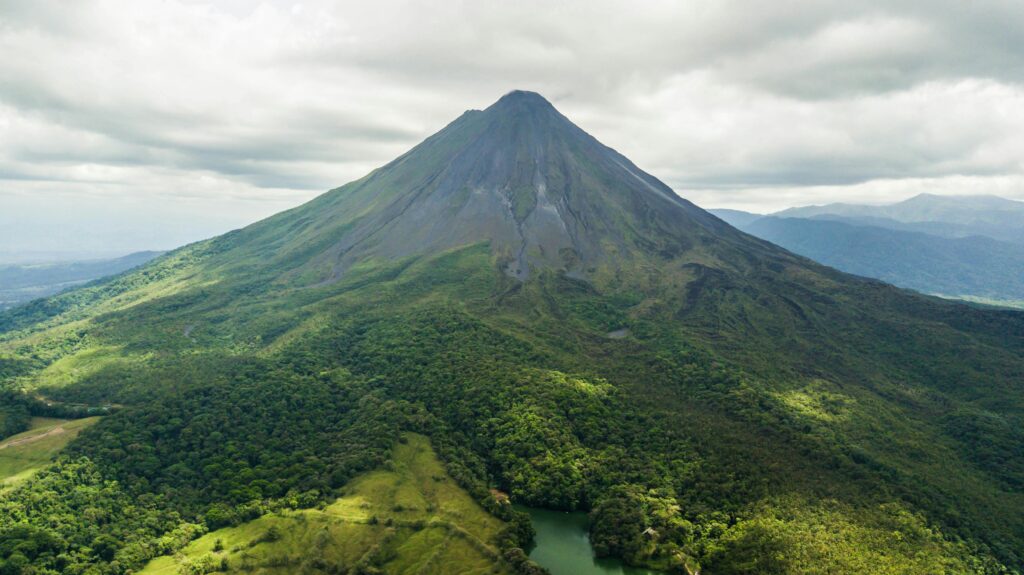
Heading northwest, travelers arrive in La Fortuna, the gateway to Arenal Volcano National Park. Although the volcano is currently dormant, it remains one of Costa Rica’s most iconic landmarks, rising dramatically above the surrounding rainforest.
The park offers well-maintained hiking trails that wind through old lava flows and lush forests, where visitors can encounter tropical birds, coatis, and exotic plants. Just outside the park, a series of natural hot springs fed by geothermal activity offer a luxurious way to unwind. Resorts like Tabacón provide beautifully landscaped pools, ideal for relaxation after a day of hiking.
A short drive away lies La Fortuna Waterfall, a 200-foot cascade plunging into a natural pool perfect for swimming. Though it requires a steep descent down approximately 500 steps, the reward at the bottom is a secluded, jungle-framed paradise.
Monteverde Cloud Forest: Mist, Wildlife, and Adventure
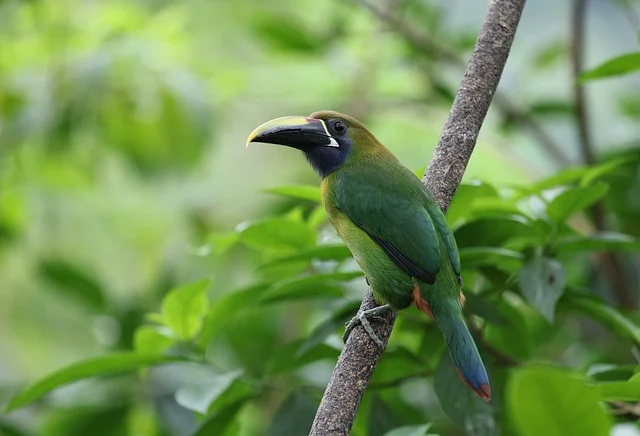
High in the mountains of the Cordillera de Tilarán lies Monteverde, a world-renowned cloud forest that offers a stark contrast to Costa Rica’s coastal and lowland regions. The cooler, misty environment is rich in biodiversity, home to over 400 species of birds, thousands of plant varieties, and elusive creatures like the resplendent quetzal.
Visitors can explore the forest canopy via hanging bridges, which provide panoramic views of the treetops, or take to the skies on a ziplining tour—an exhilarating way to experience the forest from above.
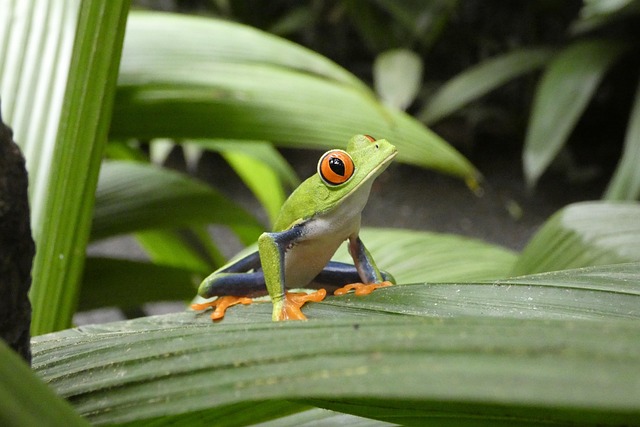
In addition to its natural appeal, Monteverde has a thriving eco-conscious community. Many local establishments are committed to sustainability, and travelers can tour coffee plantations, cheese factories, or even take part in night walks to spot nocturnal wildlife.

Nicoya Peninsula: Sun, Surf, and Serenity in Santa Teresa
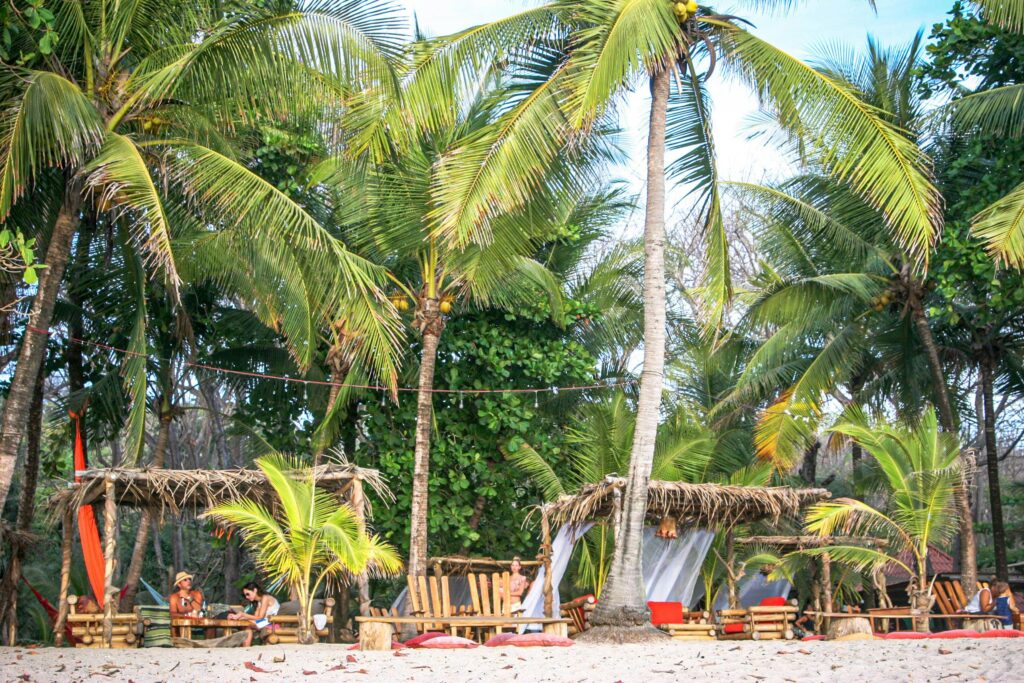
On the Pacific coast, the Nicoya Peninsula offers laid-back beaches and some of the country’s best surf spots. The town of Santa Teresa has become a favorite among travelers seeking a relaxed yet vibrant beach scene. Once a hidden gem, it now boasts a growing community of surfers, yogis, digital nomads, and nature lovers.
The beaches here are long, wide, and uncrowded—ideal for sunbathing, beach walks, or learning to surf. Local surf instructors welcome beginners with patience and the ever-present mantra of pura vida. Evenings bring stunning sunsets over the Pacific, often followed by bonfires, live music, and fresh seafood dinners under the stars.
Adventurous travelers often rent ATVs to explore nearby waterfalls and beaches, discovering quiet coves and panoramic ocean views along the way.
Puerto Viejo de Talamanca: Caribbean Culture and Cuisine
To truly experience Costa Rica’s cultural diversity, many travelers head to the Caribbean coast, where the rhythm slows, and a vibrant Afro-Caribbean influence adds a distinctive flair. Puerto Viejo de Talamanca, near the Panama border, is the heart of this region.
The town pulses with reggae music, colorful murals, and flavorful cuisine. Local dishes like coconut rice and beans, jerk chicken, and spicy patties are served at small family-run eateries known as sodas. Puerto Viejo also offers beautiful beaches such as Playa Cocles, Punta Uva, and Playa Negra, each with its own personality—some ideal for surfing, others for snorkeling or peaceful swimming.
Eco-conscious travelers often visit the Jaguar Rescue Center, which rehabilitates injured wildlife and educates visitors about conservation. The region is also home to the indigenous Bribrí people, and cultural tours offer respectful, eye-opening insight into their way of life and connection to the land.
The Heartbeat of Costa Rica: Pura Vida
More than just a phrase, pura vida is a way of life deeply embedded in Costa Rican culture. It reflects a national ethos of gratitude, community, and harmony with nature. Travelers quickly come to appreciate the slower pace, friendly smiles, and genuine hospitality extended by locals, known as Ticos.
Whether soaking in a hot spring beneath a volcano, ziplining through misty forest canopies, or sharing stories with locals over fresh coffee, visitors often leave with a sense of renewal and perspective. Costa Rica doesn’t just offer natural beauty—it offers a feeling of peace and groundedness that stays long after the trip ends.
Travel Tips for Visiting Costa Rica
When to Go:
The dry season, from December to April, is the most popular time to visit, with sunny weather ideal for beaches and outdoor adventures. The green season (May to November) brings fewer tourists, lush landscapes, and lower prices—especially appealing to nature lovers and photographers.
Transportation:
Renting a 4×4 vehicle is recommended for travelers planning to explore off-the-beaten-path areas. Many roads, particularly in coastal and mountainous regions, are unpaved and rugged.
Language:
Spanish is the official language, but English is widely understood in major tourist areas. Learning a few Spanish phrases enhances the experience and is appreciated by locals.
Currency:
The Costa Rican colón (CRC) is the official currency, though U.S. dollars are accepted in many places. ATMs are widely available, and credit cards are commonly used.
Health & Safety:
Costa Rica is considered one of the safest countries in Latin America. Tap water is generally safe to drink in most regions. Travelers should pack insect repellent, especially for jungle areas, and always use sunscreen due to the intense tropical sun.
Here is a brief video Introducing you to Costa Rica.
Explore Cosa Rica Hotels
Why Costa Rica Should Be on Every Traveler’s List
Costa Rica is more than just a destination—it’s an immersive experience that connects visitors with the Earth’s raw beauty and a way of life centered on balance and joy. With its welcoming people, astonishing ecological variety, and an ever-present spirit of pura vida, it’s easy to see why so many travelers fall in love with this remarkable country.
Whether seeking a week of adventure, a romantic escape, or a deeper connection with nature, Costa Rica offers an unforgettable journey into the heart of paradise.