
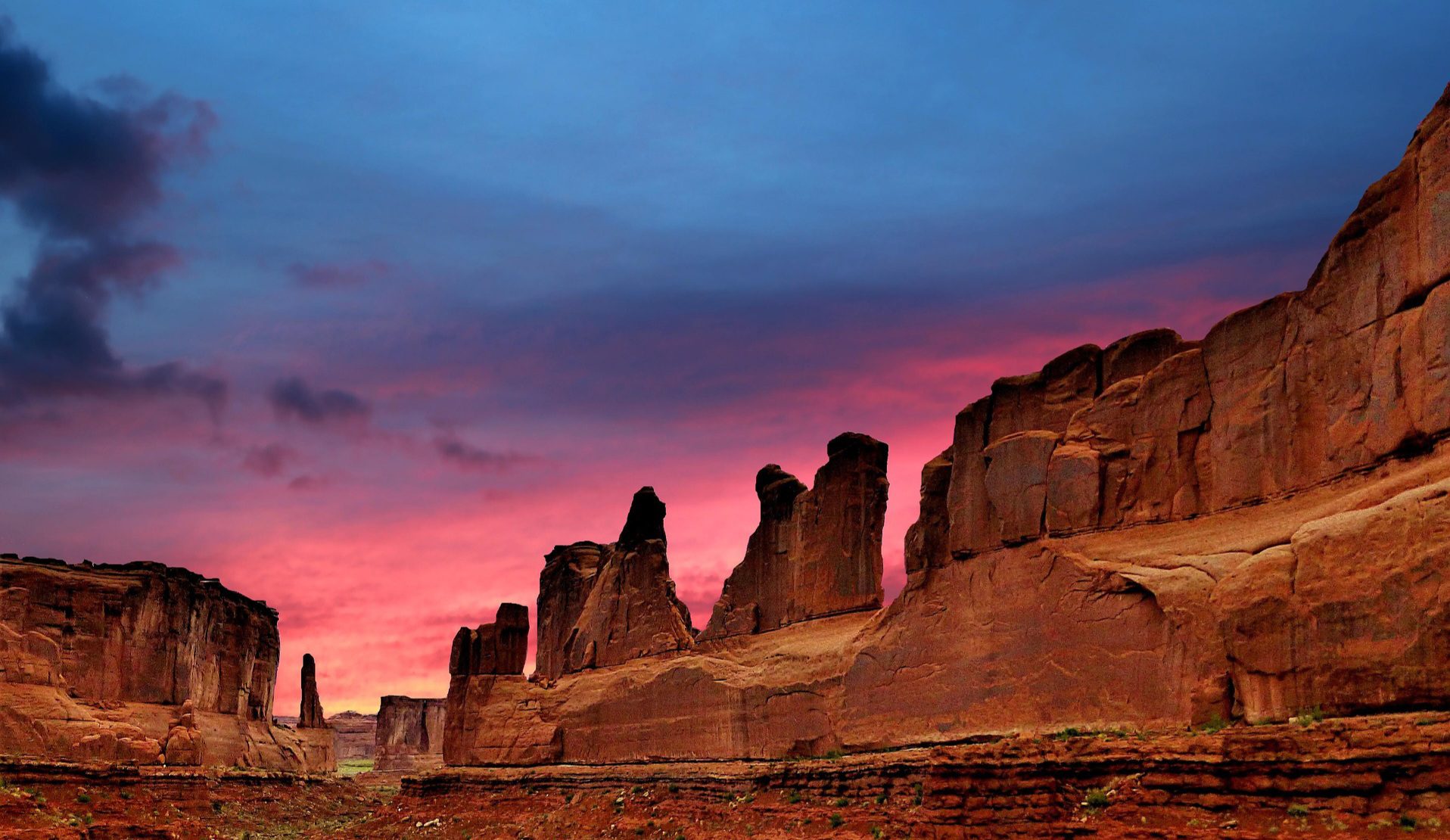
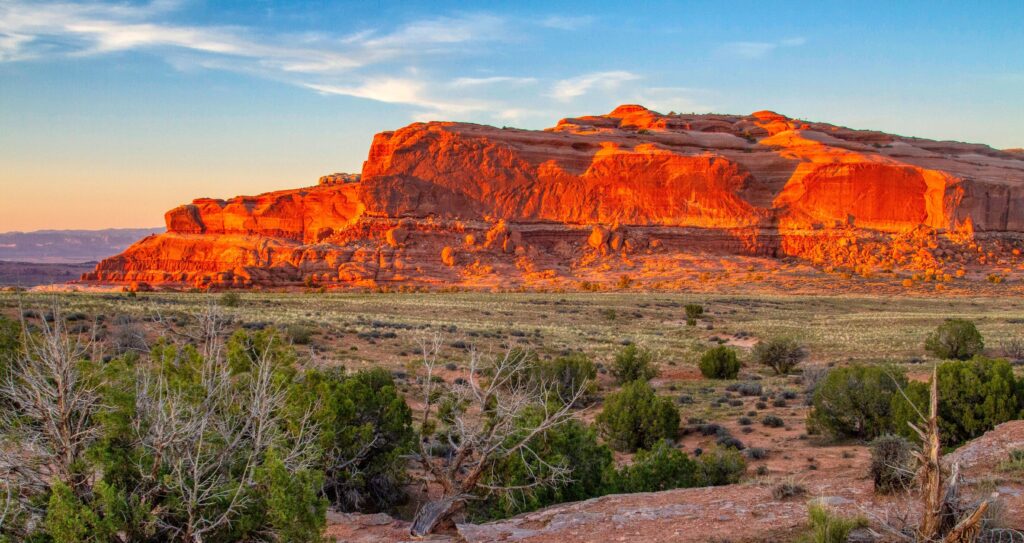
Moab, Utah, is one of the American Southwest’s most spectacular destinations, offering towering red rock formations, dramatic desert landscapes, winding scenic roads, and some of the best outdoor adventures in the country. Located near two of Utah’s most famous national parks, Arches and Canyonlands, Moab is an ideal base for exploring natural wonders, hiking scenic trails, enjoying thrilling outdoor activities, and experiencing the beauty of the Colorado Plateau.
Whether you’re planning a road trip through Utah, an outdoor adventure, or a long weekend surrounded by breathtaking scenery, three days in Moab gives you enough time to see the major highlights while enjoying the town’s laid-back atmosphere.
This itinerary combines must-see sights, hiking opportunities, scenic drives, outdoor adventures, local restaurants, and recommendations for where to stay. From watching the sunrise over Delicate Arch to exploring the enormous canyons of Canyonlands National Park, here’s how to make the most of your three days in Moab.
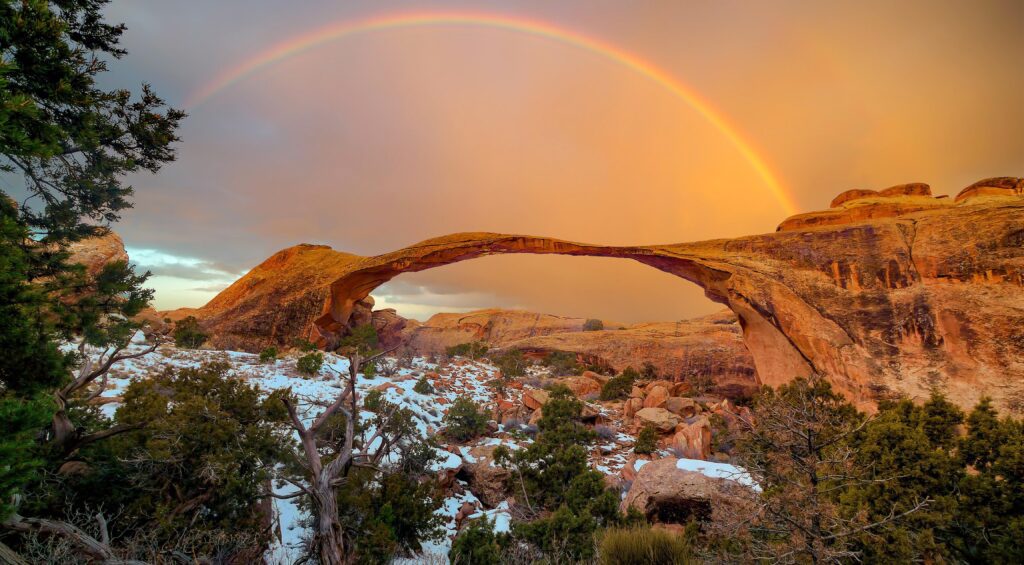
Day 1: Explore Arches National Park
Begin your Moab adventure at Arches National Park, home to more than 2,000 natural sandstone arches. The park’s distinctive red rock formations, towering fins, balanced rocks, and sweeping desert views make it one of the most memorable landscapes in the American West.
Plan to arrive early, particularly during spring and fall, when temperatures are more comfortable and popular viewpoints become busy later in the day.
Morning: Discover the Park Avenue Viewpoint and Balanced Rock
Start with Park Avenue, a striking landscape of enormous sandstone walls that resemble the skyscrapers of a desert city. The viewpoint offers an excellent introduction to the park, and the short trail provides an opportunity to walk among the towering formations.
Next, drive to Balanced Rock, one of Arches’ most recognizable landmarks. This enormous sandstone boulder appears to balance precariously on a narrow pedestal. A short, relatively easy loop around the formation offers different perspectives and excellent photo opportunities.
Continue along the park’s scenic road, stopping at viewpoints whenever the landscape catches your attention. The drive itself is one of the highlights, with dramatic red cliffs and unusual rock formations appearing around every bend.
Late Morning: Hike to Delicate Arch
No visit to Moab is complete without seeing Delicate Arch, Utah’s most famous natural arch and one of the state’s signature landmarks.
The Delicate Arch Trail is approximately three miles round trip, with around 480 feet of elevation gain. The route climbs exposed sandstone and offers little shade, so bring plenty of water, wear sturdy shoes, and avoid hiking during the hottest part of the day.
At the end of the trail, the arch frames the surrounding desert and distant mountains in an unforgettable natural setting. It is particularly beautiful in the late afternoon and at sunset, although this is also a popular time to visit.
If you prefer a less strenuous alternative, the Lower Delicate Arch Viewpoint offers a distant view without the full hike.
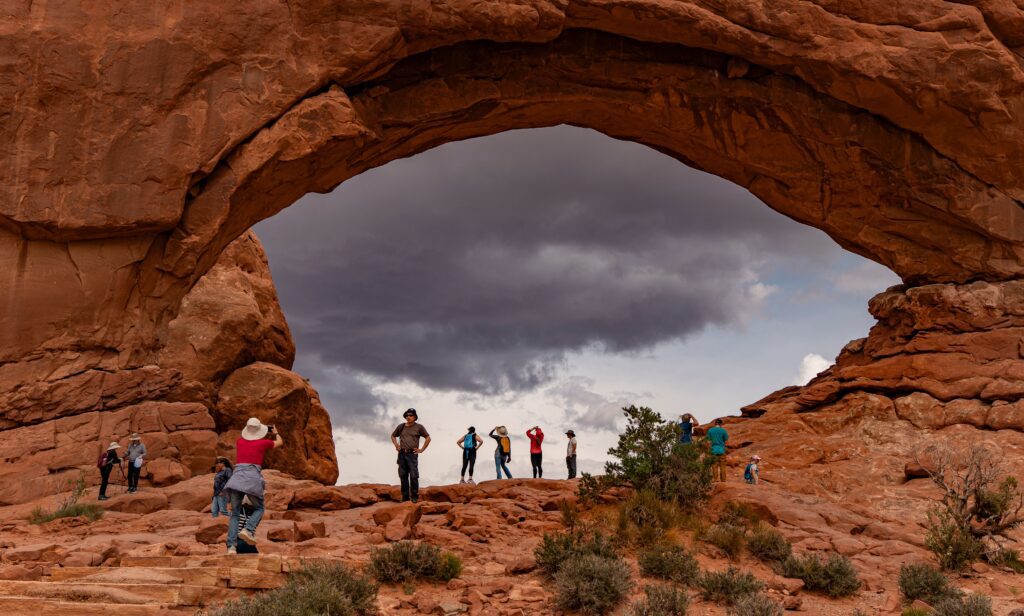
Afternoon: Explore the Windows Section
After lunch, head to the Windows Section of Arches National Park, where several enormous openings in the sandstone create spectacular natural frames.
The Windows Trail leads to North Window and South Window, while nearby Turret Arch provides another impressive formation. The short walks make this area a good choice for travelers who want to see several landmarks without committing to another long hike.
If time permits, visit Double Arch, a massive formation featuring two arches that share a common stone foundation. Its scale is impressive, and the relatively short walk makes it accessible to many visitors.
Evening: Sunset and Dinner in Moab
If you still have energy, return to a favorite viewpoint or enjoy the changing colors of the sandstone as the sun drops toward the horizon. Alternatively, leave the park before sunset and relax in town.
Moab has a casual dining scene with plenty of options for burgers, Southwestern food, pizza, barbecue, and locally inspired dishes. After a full day outdoors, enjoy dinner downtown and take a leisurely walk along Main Street.
Day 1 highlights: Arches National Park, Park Avenue, Balanced Rock, Delicate Arch, the Windows Section, and Double Arch.
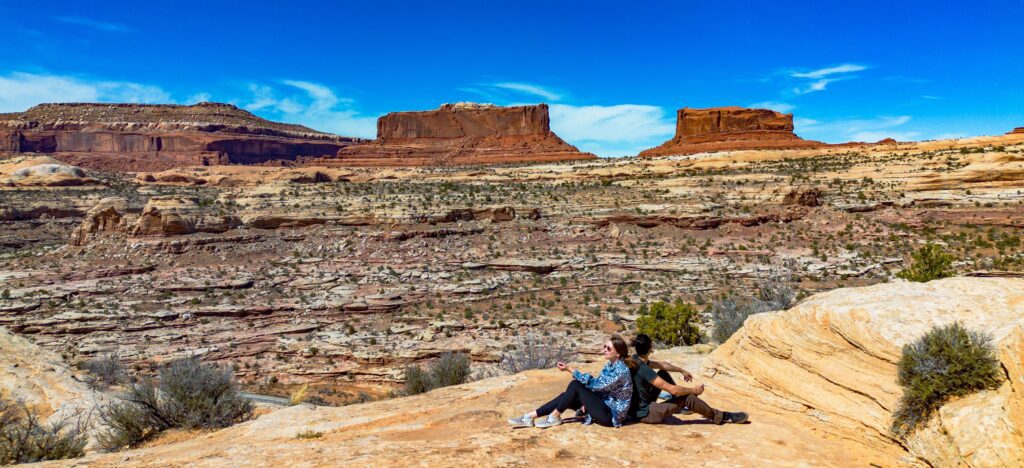
Day 2: Canyonlands National Park and Dead Horse Point State Park
Spend your second day exploring the immense landscapes west of Moab. Canyonlands National Park offers a very different experience from Arches, with vast canyons, towering mesas, deep ravines, and panoramic views across the Colorado River region.
The park is divided into several districts, and the Island in the Sky district is the easiest to visit on a day trip from Moab.
Morning: Visit Island in the Sky
Leave Moab early and drive approximately 40 to 45 minutes to the Island in the Sky district of Canyonlands National Park.
Begin at the Island in the Sky Visitor Center, when open, to check trail conditions, road information, and current park guidance. Then continue to the spectacular overlooks along the scenic drive.
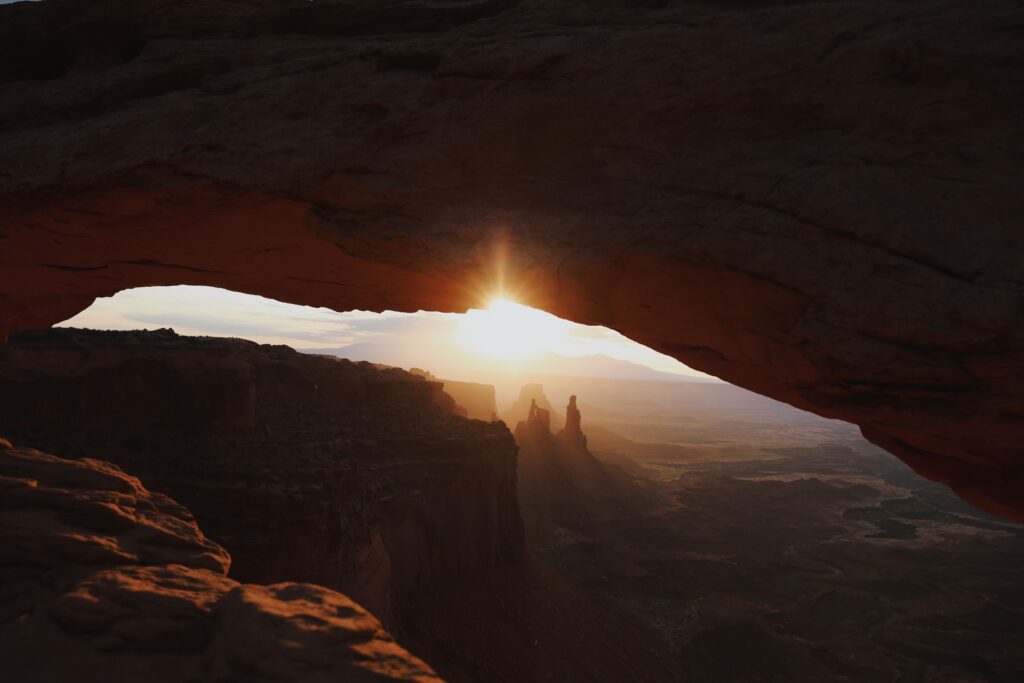
Your first stop should be Mesa Arch, one of the park’s most photographed landmarks. A relatively short loop trail leads to the arch, which frames an extraordinary view of the canyon landscape beyond. Sunrise is particularly popular with photographers, so consider arriving early if you want to experience the scene in the softer morning light.
Continue to Grand View Point, where a short walk along the rim reveals an enormous panorama of canyons, mesas, and distant rock formations. The scale of the landscape is difficult to appreciate until you see it in person.
Late Morning: Explore More Canyonlands Viewpoints
Next, stop at Green River Overlook for expansive views across the Green River canyon system. The viewpoint provides an excellent opportunity to appreciate how water and erosion have shaped the region over millions of years.
Another worthwhile stop is Upheaval Dome, a geological formation surrounded by competing theories about its origins. The first overlook is reached by a relatively short but uphill hike, while a longer trail leads to a second viewpoint.
You do not need to complete every trail to appreciate Canyonlands. Simply driving between overlooks and taking time to absorb the scenery can make this one of the most memorable days of your trip.
Explore Moab Hotels

Afternoon: Dead Horse Point State Park
After exploring Canyonlands, drive to nearby Dead Horse Point State Park. Its famous overlook provides a dramatic view of the Colorado River winding through a deep canyon, with enormous sandstone cliffs stretching toward the horizon.
The main overlook is accessible by a short walk, making it an excellent choice for visitors who want spectacular scenery without a strenuous hike. Several additional trails follow the canyon rim, offering opportunities to explore the park at your own pace.
Dead Horse Point is particularly beautiful in the late afternoon, when sunlight brings out the contrasting reds, oranges, and shadows across the canyon walls.
Allow enough time to enjoy the views before returning to Moab. If you are interested in photography, this is an excellent location for capturing the desert landscape as the light changes.
Evening: Relax in Downtown Moab
Return to Moab for dinner and a relaxing evening. After two busy days, consider choosing a restaurant close to your accommodation rather than adding another long drive.
If you still have energy, browse the local shops for Southwestern artwork, outdoor gear, souvenirs, and regional crafts. Moab’s compact downtown makes it easy to enjoy a casual evening after a day of exploring.
Day 2 highlights: Canyonlands National Park, Mesa Arch, Grand View Point, Green River Overlook, and Dead Horse Point State Park.
Day 3: Colorado River Adventures, Scenic Drives, and Local Exploration
Your final day in Moab offers flexibility. You can choose a more adventurous experience on the Colorado River, explore additional desert scenery, or combine a scenic drive with a few shorter walks.
The best choice depends on your interests, fitness level, and the season of your visit.
Morning: Take a Colorado River Rafting Trip
One of the most enjoyable ways to experience the Moab region is from the Colorado River itself. Guided rafting trips provide a different perspective on the towering canyon walls and desert scenery.
Several operators offer trips ranging from relatively calm floats to more exciting whitewater adventures, depending on the route and river conditions.
A gentler trip is ideal for families and travelers who want to enjoy the scenery without a particularly demanding activity. More adventurous visitors can look for trips featuring rapids, subject to seasonal conditions and the operator’s requirements.
Book ahead during busy travel periods, and check the trip duration carefully so you have enough time for other activities.
If rafting is not for you, consider a guided off-road excursion instead. Moab is famous for its four-wheel-drive trails, including routes through rugged slickrock terrain. A guided tour is a good way to experience the landscape without having to navigate challenging terrain yourself.
Late Morning: Drive the Colorado River Scenic Byway
After your morning activity, follow Highway 128 northeast of Moab along the Colorado River. This scenic drive is one of the region’s underrated highlights, with red sandstone cliffs rising above the road and the river winding through the valley.
Stop at designated pullouts to enjoy the views and take photographs. The route also offers opportunities for short walks, wildlife watching, and simply appreciating the dramatic scenery.
For travelers who enjoy road trips, this drive is an excellent reminder that Moab’s attractions extend well beyond its two national parks.
Allow extra time for stops rather than treating the route as a quick drive. Even a short distance can take longer than expected when the scenery invites frequent breaks.
Afternoon: Choose Your Own Adventure
Use the final afternoon to explore these attraction options that matches your interests.
1: Visit the Moab Giants Dinosaur Park. This family-friendly attraction features life-size dinosaur displays, exhibits, and activities that introduce visitors to the region’s prehistoric past.
2: Explore more hiking trails. If you prefer quieter trails, ask at the visitor center or a local outdoor shop for current recommendations suited to your fitness level and the weather.
3: Go mountain biking. Moab is internationally known for its mountain biking, including the famous Slickrock Bike Trail. This demanding route is best suited to experienced riders. Beginners should consider a guided ride on a more manageable trail.
4: Take a scenic flight. Depending on availability and your budget, an aerial tour can provide a remarkable perspective on the immense canyon systems and desert formations surrounding Moab.
5: Enjoy a relaxed afternoon in town. Browse galleries, visit local shops, enjoy an ice cream, or settle into a café before beginning the next leg of your road trip.
Evening: Enjoy One Last Moab Sunset
Finish your trip with one last opportunity to enjoy the desert scenery. Depending on your location and schedule, return to a favorite viewpoint or find a suitable public area to watch the evening light change across the red rocks.
If you have an early departure the next morning, keep the evening simple and prepare for the drive ahead.
Day 3 highlights: Colorado River rafting, Highway 128, off-road adventures, mountain biking, and exploring Moab at your own pace.
Explore Moab Hotels
Where to Stay in Moab, Utah
Moab offers accommodation for a wide range of budgets, from comfortable chain hotels to distinctive desert resorts, vacation rentals, and campgrounds. Staying in or near town is generally the most convenient option for a three-day visit because restaurants, shops, and services are close by.
Luxury stays
Travelers looking for a more upscale experience can consider Hoodoo Moab, Curio Collection by Hilton, which offers a stylish hotel setting near downtown, or Sorrel River Ranch Resort & Spa, a scenic riverside property along Highway 128.
Sorrel River Ranch is particularly appealing if you want to spend time surrounded by the desert landscape rather than staying in the center of town. Its location, however, means additional driving to restaurants and other services.
Mid-range hotels
Moab has several comfortable hotels that make convenient bases for exploring the national parks. Options to investigate include Hyatt Place Moab, Fairfield Inn & Suites Moab, and Homewood Suites by Hilton Moab.
These properties are worth comparing for room types, breakfast arrangements, parking, pool facilities, and cancellation policies. Prices can vary considerably depending on the season and how far in advance you book.
Budget-friendly accommodation
Budget-conscious travelers can look at motels, smaller hotels, and campgrounds in and around Moab. Big Horn Lodge is one option to consider for a straightforward stay near downtown.
Camping is another popular choice, particularly for road trippers with tents or recreational vehicles. Options include established campgrounds near the Colorado River and sites managed by the Bureau of Land Management. Check current reservations, seasonal restrictions, water availability, and facilities before arriving.
Where should you stay?
For a first visit, I recommend staying in Moab itself. You will have easier access to restaurants, grocery stores, guided tours, and the main roads leading to Arches and Canyonlands. Reserve well in advance for spring and fall, when demand is especially strong.
Best Time to Visit Moab
Spring and fall are generally the most comfortable seasons for exploring Moab.
Spring, March through May: Temperatures are often pleasant for hiking, scenic drives, and outdoor adventures. Spring is also a busy travel period, so accommodation and popular activities should be booked early.
Fall, September through November: Fall offers another excellent window for visiting, with generally comfortable hiking conditions and beautiful light across the red rock landscape.
Summer, June through August: Expect very hot conditions, especially in exposed areas with little shade. Plan strenuous hikes for early morning, carry plenty of water, and be prepared to change plans if temperatures become excessive.
Winter, December through February: Winter brings fewer visitors and can offer beautiful scenery, but cold temperatures, occasional snow, and icy trails can affect access and hiking conditions.
Always check the forecast and current park alerts before setting out.
Essential Tips for Your Three Days in Moab
- Reserve your accommodation early. Popular weekends and holiday periods can sell out, and prices can rise significantly.
- Check national park entry requirements. Confirm current fees, operating conditions, and any timed-entry or reservation requirements for your travel dates.
- Carry plenty of water. Desert heat, dry air, and exposed trails can increase dehydration risk.
- Bring sun protection. A hat, sunscreen, sunglasses, and lightweight clothing are especially useful on exposed hikes.
- Start early. Early mornings are often cooler and less crowded, particularly at Delicate Arch and Mesa Arch.
- Keep your fuel tank topped up. Fill up in Moab before longer drives, and do not assume that services are available inside the parks.
- Download offline maps. Cell service can be unreliable in remote areas.
- Respect the desert environment. Stay on established trails and durable surfaces, avoid disturbing biological soil crusts, and pack out your trash.
Final Thoughts: Is Three Days in Moab Enough?
Three days in Moab is enough to experience the region’s most famous sights while enjoying a taste of its outdoor adventures. You can spend a full day among the natural arches of Arches National Park, explore the immense canyons of Canyonlands and the spectacular overlook at Dead Horse Point, and devote your final day to the Colorado River, scenic drives, or mountain biking.
Of course, Moab rewards a longer stay. With additional time, you can explore more remote trails, take a multi-day rafting trip, discover lesser-known rock formations, or simply slow down and enjoy the desert scenery.
For a first visit to southern Utah, however, this three-day itinerary offers an excellent introduction to one of the American Southwest’s most remarkable destinations. Bring your camera, plan your days around the weather, and leave enough room in your schedule for spontaneous stops. Some of Moab’s most memorable moments happen when you pull over, step outside, and take in the extraordinary landscape around you.