
Where to Find Mild Weather, Coastal Walks, Historic Towns, and Winter Sun
Introduction
Winter in Europe does not have to mean snow, freezing temperatures, and short days. Although much of the continent gets cold, several southern destinations offer milder weather, coastal scenery, outdoor cafés on suitable days, and historic towns that are often less crowded than in summer.
The warmest options are generally found on Atlantic islands and in the southern Mediterranean. Keep expectations realistic: winter sunshine is not guaranteed, evenings can be chilly, and some beach resorts reduce their services outside the main season. Still, winter can be a rewarding time to explore at a relaxed pace, enjoy local food, and find better value on some flights and hotels.
Here are ten warm or relatively mild European destinations to consider for a winter getaway, with practical suggestions for activities, trip length, and where to stay.
1. The Algarve, Portugal
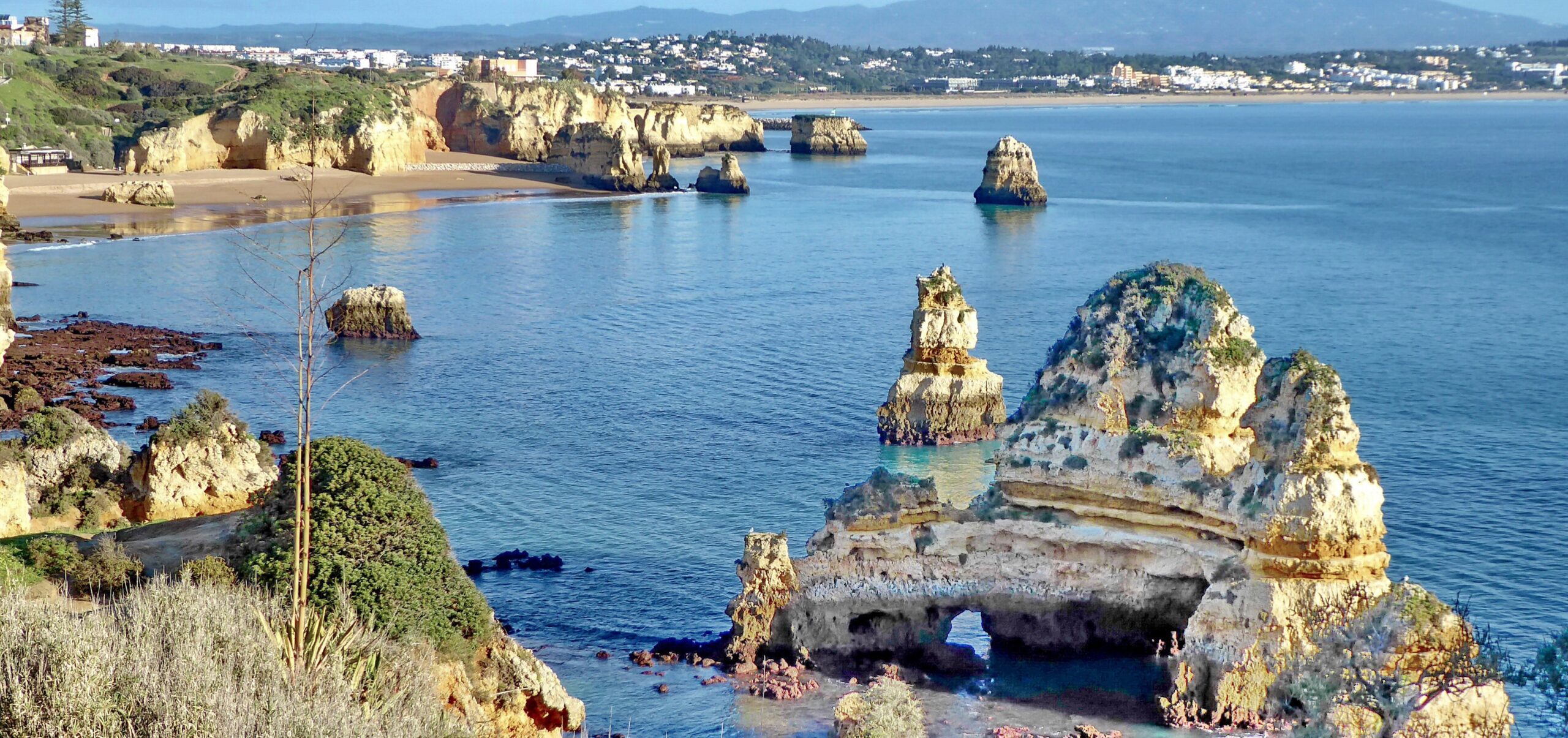
Portugal’s Algarve region is known for its golden cliffs, sandy coves, fishing towns, and coastal walking paths. Winter days can be pleasantly mild, although Atlantic winds and rain are possible, and the sea is generally cold for swimming.
Visit Lagos for its old town and dramatic rock formations, explore the waterfront in Tavira, and see the cliffs and beaches around Carvoeiro. The Seven Hanging Valleys Trail is a highlight when weather and trail conditions are suitable. Faro also makes a useful base for exploring the region and its historic center.
Plan four to seven days if you want to visit several towns. Lagos works well for restaurants and scenery, while Faro offers convenient transport connections. Albufeira has a large range of accommodation, but parts of its resort scene are quieter in winter. A rental car helps with exploring smaller villages and beaches, though check local bus schedules if traveling without one.
2. The Canary Islands, Spain
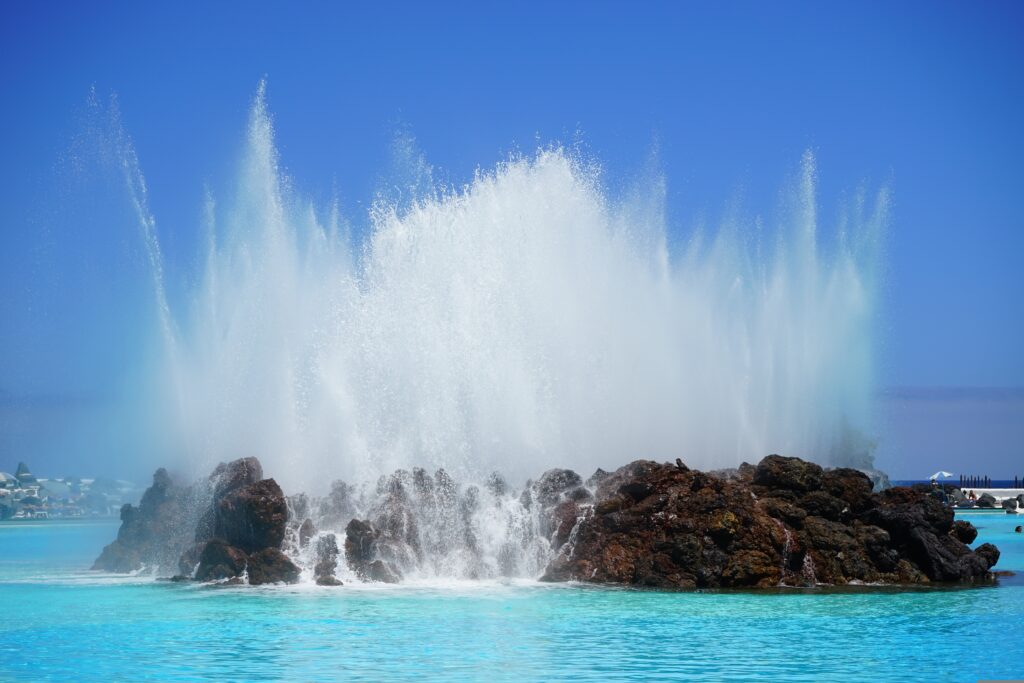
The Canary Islands are among Europe’s most reliable choices for winter warmth. Located off the northwest coast of Africa, they offer volcanic landscapes, beaches, hiking routes, and resort towns. Conditions vary by island and elevation, so the coast may be sunny while mountain areas are cooler or cloudy.
Tenerife has Mount Teide, coastal resorts, and historic La Laguna. Gran Canaria combines beaches with mountain villages and the dunes near Maspalomas. Lanzarote is known for its volcanic scenery and César Manrique’s architectural and artistic legacy. La Palma appeals to hikers and stargazers.
Allow at least four or five days per island, or longer if you want a slower holiday. Choose a coastal base for beach walks and dining, or stay inland if hiking is your priority. The islands are not interchangeable, so select one based on whether you prefer resorts, road trips, or nature. Reserve popular winter dates early, particularly around Christmas and New Year.
3. Madeira, Portugal
Madeira is a lush Atlantic island with steep mountains, botanical gardens, dramatic coastal cliffs, and a network of walking paths known as levadas. Its climate is relatively mild in winter, but rain, wind, and substantial temperature differences between the coast and mountains are possible.
Spend time in Funchal’s old town and market, visit the botanical gardens, and take a cable car ride if operating conditions allow. Scenic viewpoints around Cabo Girão and the island’s mountain roads offer memorable views. Experienced walkers may enjoy a levada route, but always check current trail status and weather before setting out.
Four to six days is a good visit. Funchal is the most convenient base for restaurants, tours, and accommodation. A car gives flexibility, although steep roads and narrow mountain routes require care. If your main goal is hiking, keep your schedule flexible so you can choose routes according to the weather.
4. Malta
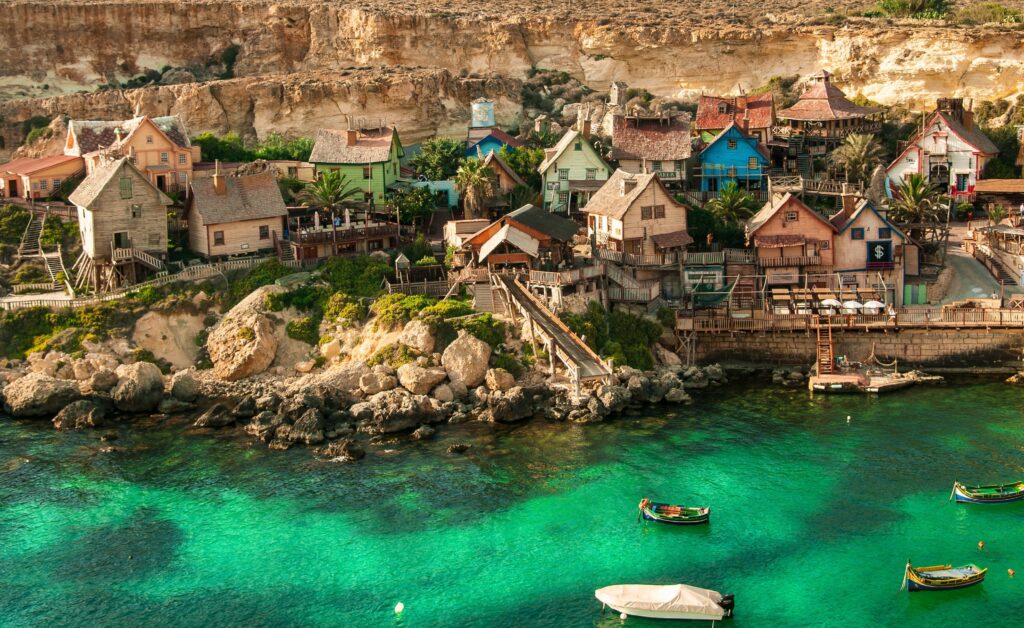
Malta offers a compact mix of historic cities, limestone architecture, harbors, archaeological sites, and coastal views. Winter is generally mild compared with northern Europe, but it can be windy or rainy, and it is not consistently beach weather.
Explore Valletta’s streets and museums, visit the fortified city of Mdina, and see the Three Cities across the Grand Harbour. If conditions are good, take a coastal walk or visit the island of Gozo for rural scenery and historic sites. Malta’s layered history makes guided tours particularly worthwhile.
Three or four days covers the main island’s highlights; add another day or two for Gozo. Valletta is a convenient base for culture and dining, while Sliema has many hotels and waterfront restaurants. Public buses connect many major areas, although travel can be slow at busy times. Check ferry and attraction schedules before making a day-trip plan.
Explore Area Hotels

5. Seville, Spain
Seville is one of southern Spain’s most rewarding winter city breaks. It is not a tropical destination, but daytime temperatures can be comfortable for sightseeing, and winter often offers a more relaxed atmosphere than the busy spring season.
Visit the Royal Alcázar, Seville Cathedral, and the Giralda tower. Wander through the Santa Cruz neighborhood, cross the river to Triana, and spend an evening enjoying tapas. Plaza de España and María Luisa Park are particularly good for a leisurely walk when the weather cooperates.
Two or three days is enough for a first visit. Stay near the historic center to reach major attractions on foot. Winter evenings can be cool, so bring a jacket. Check opening times and book popular monuments ahead, especially during holiday periods and local festivals.
6. Málaga, Spain
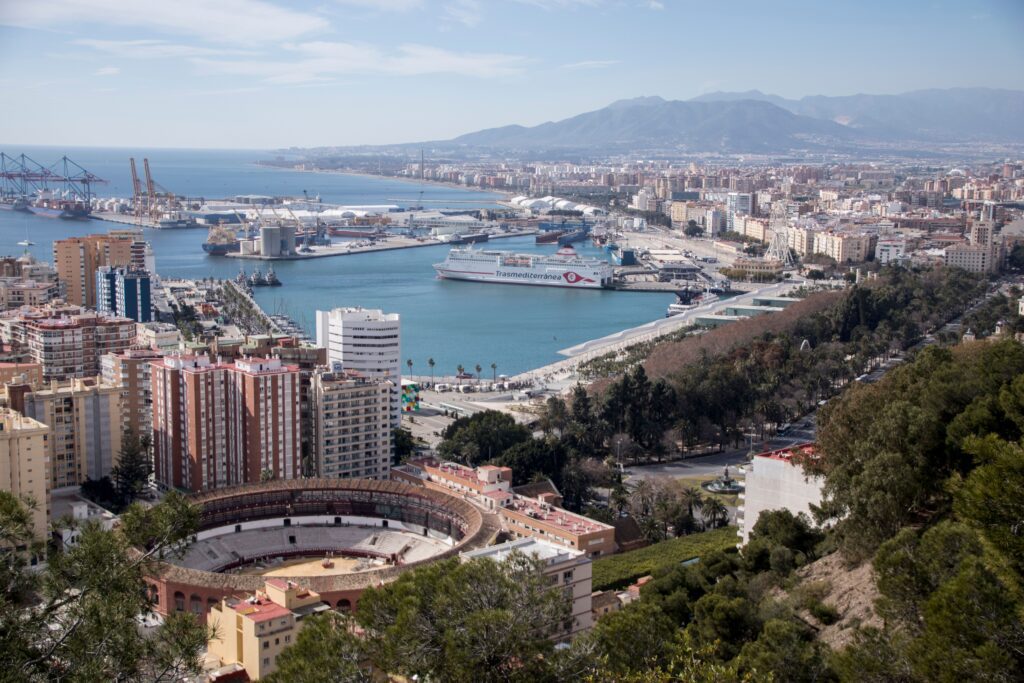
Málaga combines a Mediterranean waterfront with museums, historic sites, markets, and access to the wider Costa del Sol. Its winter weather is often milder than that of much of Europe, though rain and cooler spells still occur.
Explore the Alcazaba fortress, visit the Picasso Museum, and walk through the old town to the cathedral. The port area and city beaches are pleasant for a stroll on sunny days. If you have extra time, consider a day trip to nearby towns or the Caminito del Rey, subject to advance booking and current access conditions.
Three or four days makes a comfortable stay. The historic center is ideal for museums and restaurants, while the waterfront offers a different atmosphere. Málaga is also a practical base for a longer Costa del Sol trip, particularly if you want a city with year-round services rather than a seasonal beach resort.
7. Cyprus
Cyprus has a long history, archaeological remains, traditional villages, and a Mediterranean coastline. Winter is mild by northern European standards, but mountain areas can be cold and occasionally snowy, while coastal swimming conditions are generally cool.
Visit Paphos Archaeological Park and its mosaics, walk around Limassol’s seafront, or explore Nicosia’s historic center. The Troodos Mountains offer a different side of the island, with villages, monasteries, and mountain scenery. Some beach resorts are quieter in winter, so check what is open if you want nightlife or a full range of water activities.
Five to seven days allows time to explore more than one area. Paphos suits travelers interested in archaeology and coastal walks; Limassol offers a larger urban base. Renting a car can make village and mountain visits easier, but confirm insurance conditions and local driving rules before setting off.
8. Crete, Greece
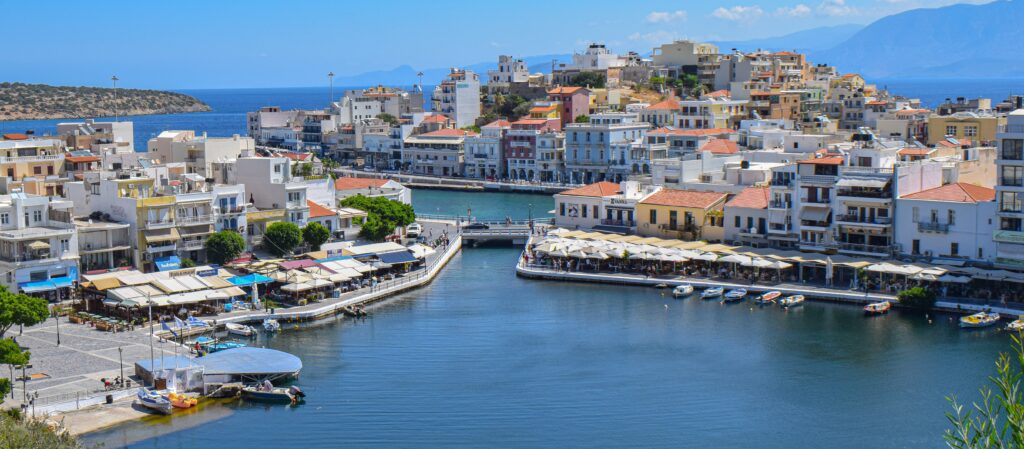
Crete is a large island with ancient history, mountain scenery, traditional villages, and excellent regional food. Winter is cooler and wetter than the main tourist season, but it can still be rewarding for travelers who prefer cultural sightseeing and quiet walks to beach-club holidays.
Explore the old harbors and historic centers of Chania or Rethymno, visit archaeological museums, and sample Cretan dishes in local tavernas. The Palace of Knossos near Heraklion is a major attraction for anyone interested in Minoan history. Mountain hiking requires extra care in winter, when weather can change rapidly and some services may be closed.
Allow four to seven days, and focus on one part of the island rather than trying to see everything. Chania is a popular base for architecture and food, while Heraklion is convenient for major archaeological sites. Check ferry, bus, and attraction schedules because winter service is more limited than in summer.
9. The French Riviera, France
The French Riviera is not as warm as the Canary Islands, but its coastal cities can offer a relatively mild winter escape with promenades, art museums, markets, and Mediterranean views. Winter is a quieter time to visit many places, though rain and chilly evenings are possible.
In Nice, walk along the Promenade des Anglais, explore the old town, and visit the Cours Saleya market when operating. Take a train to Antibes or Menton, or visit Monaco for its harbor and gardens. The region’s rail connections make it possible to explore several towns without driving.
Three to five days works well for a city break. Nice is a practical base because it has an airport, rail links, and a wide choice of accommodation. Choose a central location if you want to walk to restaurants and sights. Check museum opening days and seasonal schedules, and pack layers for breezy waterfront walks.
Explore Area Hotels
10. Sicily, Italy
Sicily offers a rich mix of archaeological sites, Baroque towns, markets, coastal scenery, and regional cuisine. Winter is generally milder than in northern Italy, but it is not reliably warm, and rain or snow can affect higher elevations, including Mount Etna.
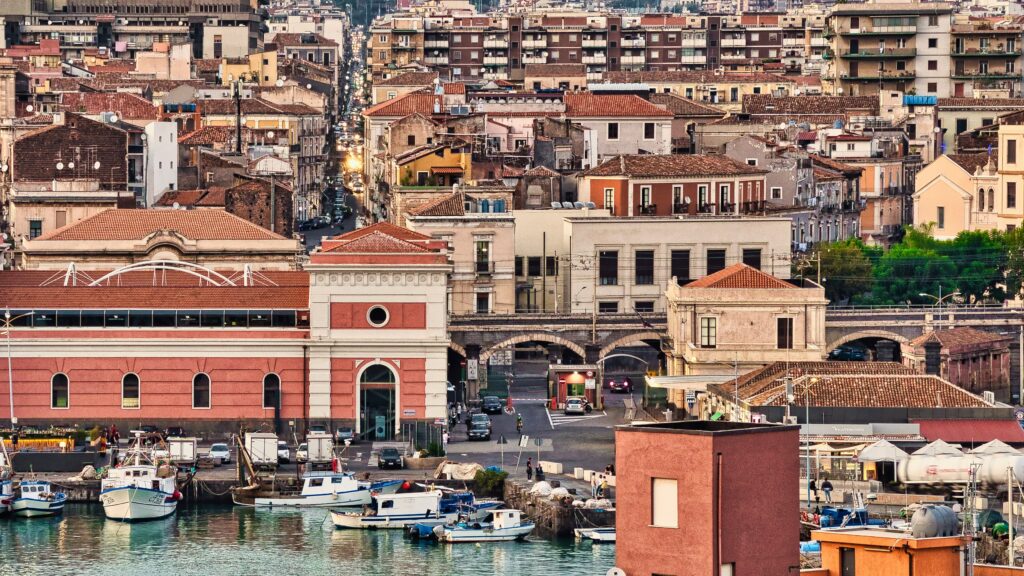
Visit Palermo for its markets, churches, and street food. Explore Ortigia in Syracuse for its historic lanes and waterfront, or spend time in Catania beneath Mount Etna. Taormina offers beautiful views and a historic center, although some tourist businesses operate on reduced schedules in winter.
Five to seven days allows you to focus on one or two areas. Palermo is a strong base for food and history, while Catania works well for eastern Sicily. Distances are significant, so plan transport carefully. A rental car can help outside the main cities, but parking and city-center traffic may make trains or guided excursions more convenient for some trips.
How to choose the best European winter destination
**For the best chance of winter sun:** Start with the Canary Islands, Madeira, or the Algarve. Even in these destinations, expect some cloudy or rainy days.
**For history and culture:** Seville, Malta, Sicily, and Cyprus offer historic sites that are enjoyable outside the peak summer season.
**For coastal walks and city breaks:** Consider Málaga, Nice, or the Algarve. These destinations combine waterfront scenery with restaurants and year-round attractions.
**For hiking and nature:** Madeira and the Canary Islands offer striking landscapes, but trail conditions, elevation, and local weather need to guide your plans.
**For a short trip:** Seville, Málaga, Nice, and Malta are practical choices for three or four days. For an island trip with several excursions, allow longer.
Practical winter travel tips
**Check daylight and opening hours.** Days are shorter than in summer, and some attractions, tours, ferries, and restaurants may operate on reduced schedules.
**Pack layers and rain protection.** Mild daytime weather does not guarantee warm evenings. A light waterproof jacket, comfortable shoes, and a warmer layer will make your trip more comfortable.
**Compare the total cost.** Lower off-season hotel prices can be offset by limited flight schedules, car rental, or transport costs. Compare the complete trip before choosing a destination.
**Book around the holidays.** Christmas and New Year can be busy in popular cities and island resorts. Book flights and accommodation early if traveling on fixed dates.
**Be realistic about swimming.** Many European beaches are beautiful in winter, but sea temperatures are usually cool. Choose a hotel with a heated pool if swimming is important, and verify that it is open and heated during your dates.
Final thoughts
Europe has several appealing winter destinations for travelers who want milder weather, culture, scenery, and a break from the cold at home. The Canary Islands and Madeira are among the strongest choices for outdoor exploration and winter warmth. The Algarve offers dramatic coastal scenery, while Seville, Málaga, Malta, and Sicily combine historic attractions with a gentler winter climate than much of northern Europe.
For the best chance of sunshine, prioritize the Atlantic islands. For a culture-focused city break, choose Seville or Málaga. Whichever destination you select, check the forecast and seasonal schedules, plan for cool evenings, and leave room in your itinerary for the slower pace that makes winter travel appealing